The evolution of volcanology

Class 1 - From intuitions to evidences

Sébastien Biass

Group of physical volcanology and geological risk - 1st floor, office 103

February 16, 2026

https://e5k.github.io/Volcano/

Who am I?

  • Researcher / lecturer
  • Interested in physical volcanology with applications to natural hazards and risk
  • Big Earth Data, remote sensing, geospatial analyses
  • 1st floor, office 103
  • Involved in CERG-C

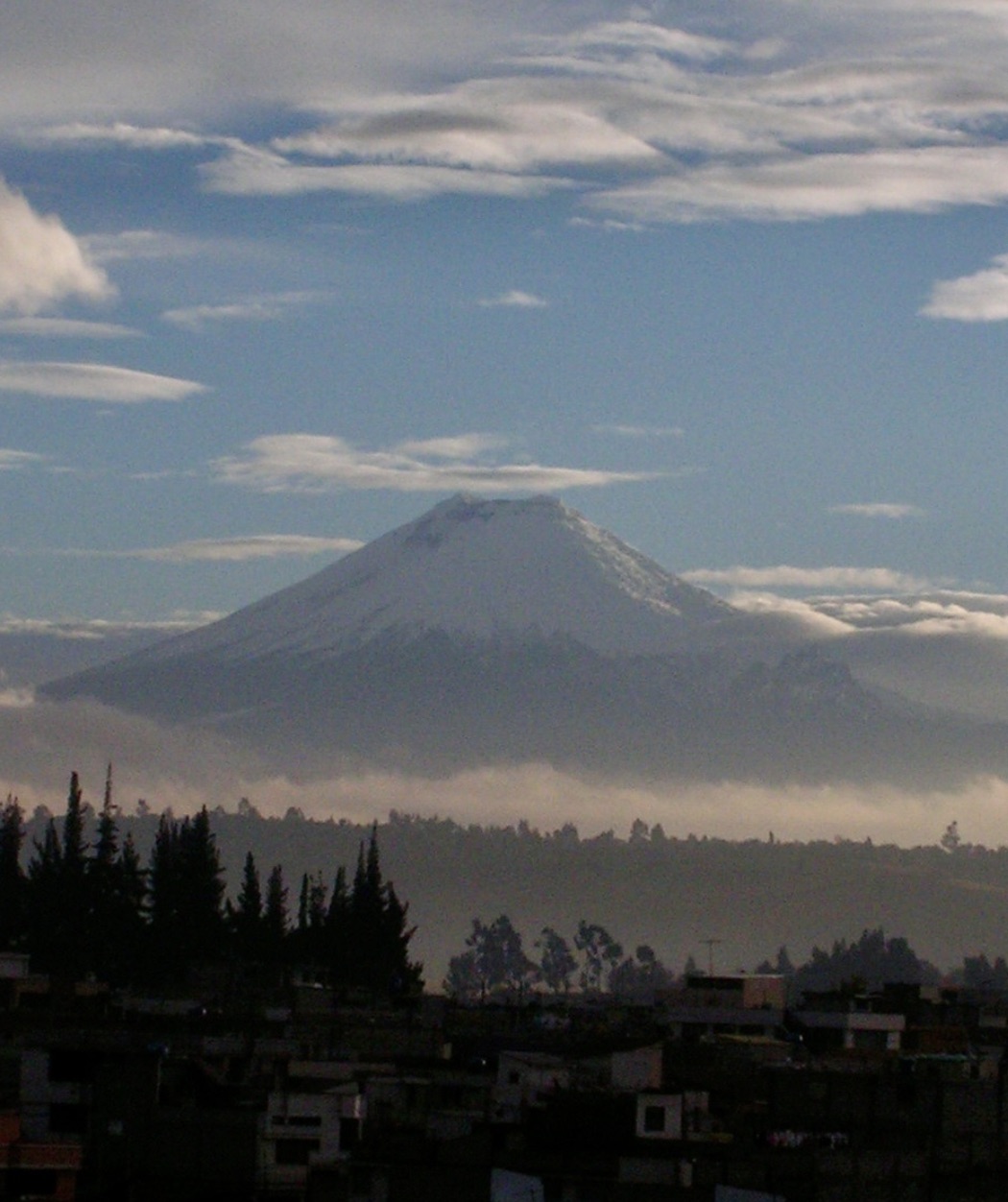
Cotopaxi volcano

Cotopaxi volcano

Who am I?

  • Bachelor in Geneva
  • Erasmus in Bristol (UK)
    • Met Steve Sparks
    • Before him → descriptive science
  • Masters in Geneva
    • Physical volcanology of Cotopaxi (Ecuador)
    • Risk mapping

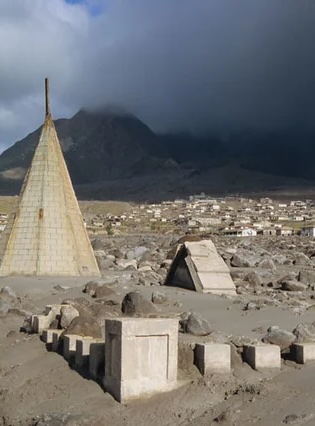
Plymouth, Montserrat, West Indies

Plymouth, Montserrat, West Indies

Who am I?

  • Worked in Colima, Mexico
  • PhD
    • Fieldwork
    • Numerical modelling
    • Hazard assessment
  • Case studies
    • Iceland
    • Japan
    • Aeolian islands

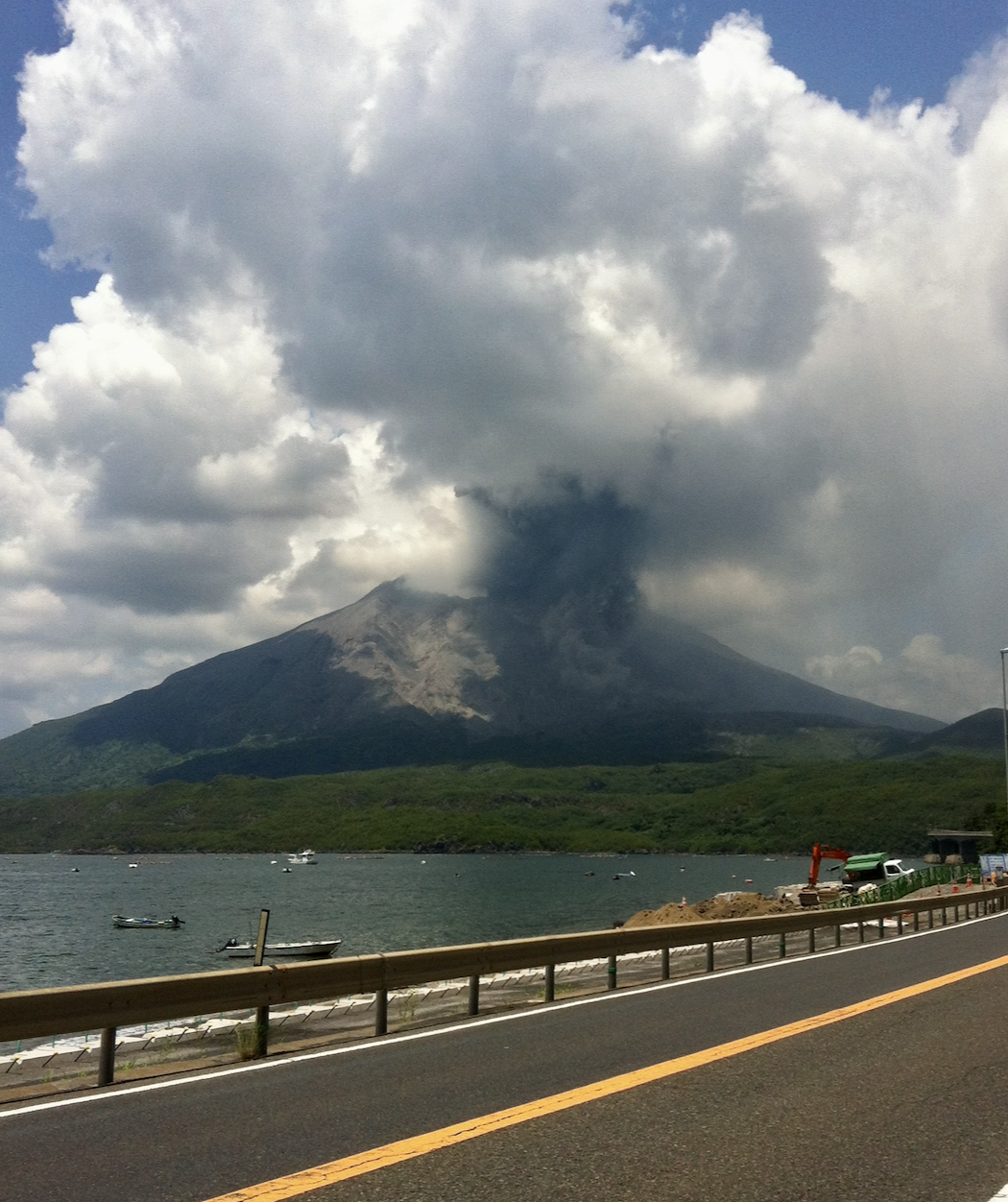
Vulcanian explosion, Sakurajima, Japan

Vulcanian explosion, Sakurajima, Japan

Who am I?

  • Postdoc 1 - Hawaii
    • Explosive history of Halemaʻumaʻu
    • Lava flow dynamics
  • Postdoc 2 - Singapore
    • Regional hazard/risk analyses
    • Indonesia
    • Philippines
    • New Zealand

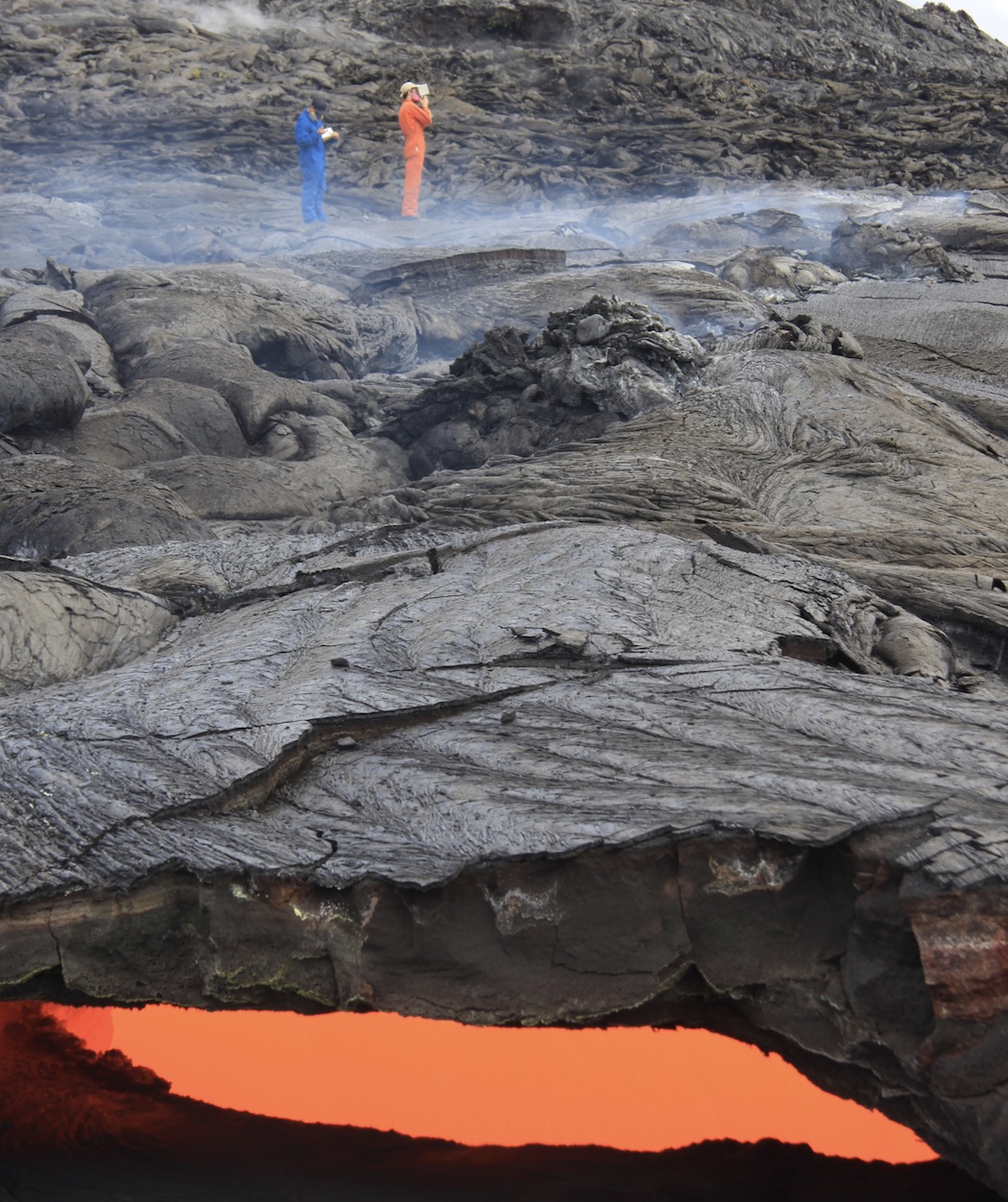
Tube around Pu‘u ’Ō‘ō

Tube around Pu‘u ’Ō‘ō

What/why volcanology?

It is a transdisciplinary science

From source to impacts

  • Generation and supply of melt from the mantle
  • Accumulation of magma in crustal reservoirs
  • Transport of magma between storage regions and to surface
  • Interactions with society

Range of spatial and temporal scales

  • Spatial: From thousands of km to nanometric scales
  • Temporal: From millions of years to fractions of seconds
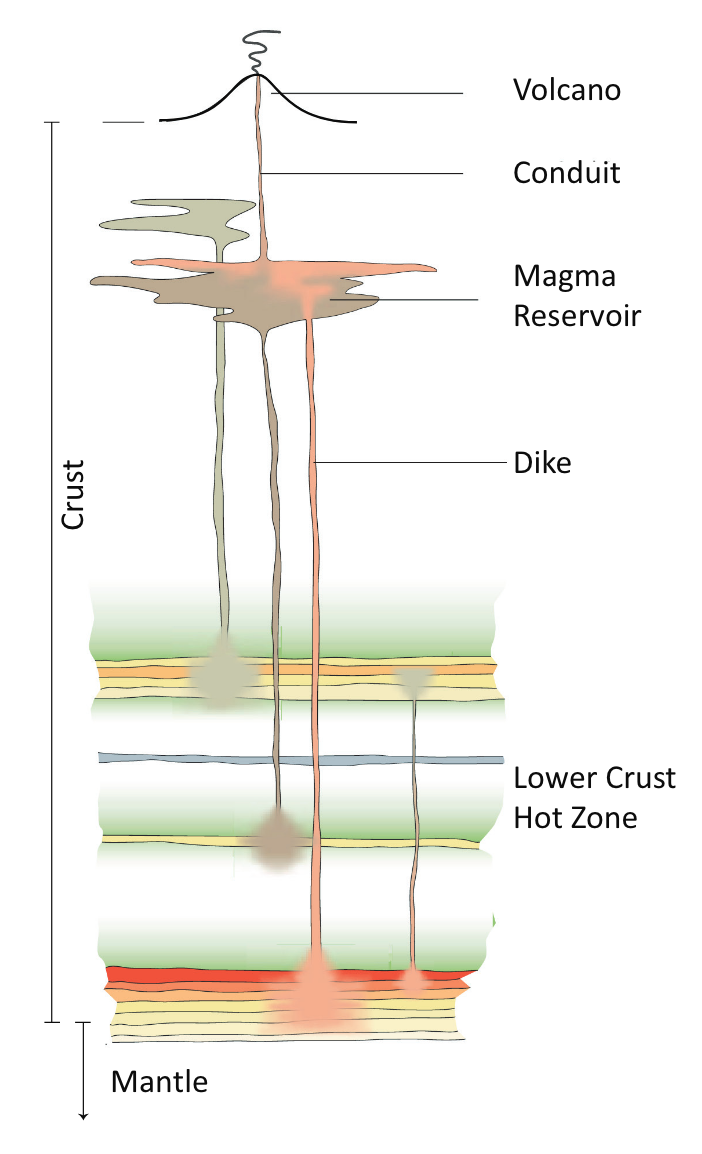
National Academy of Sciences (2017)

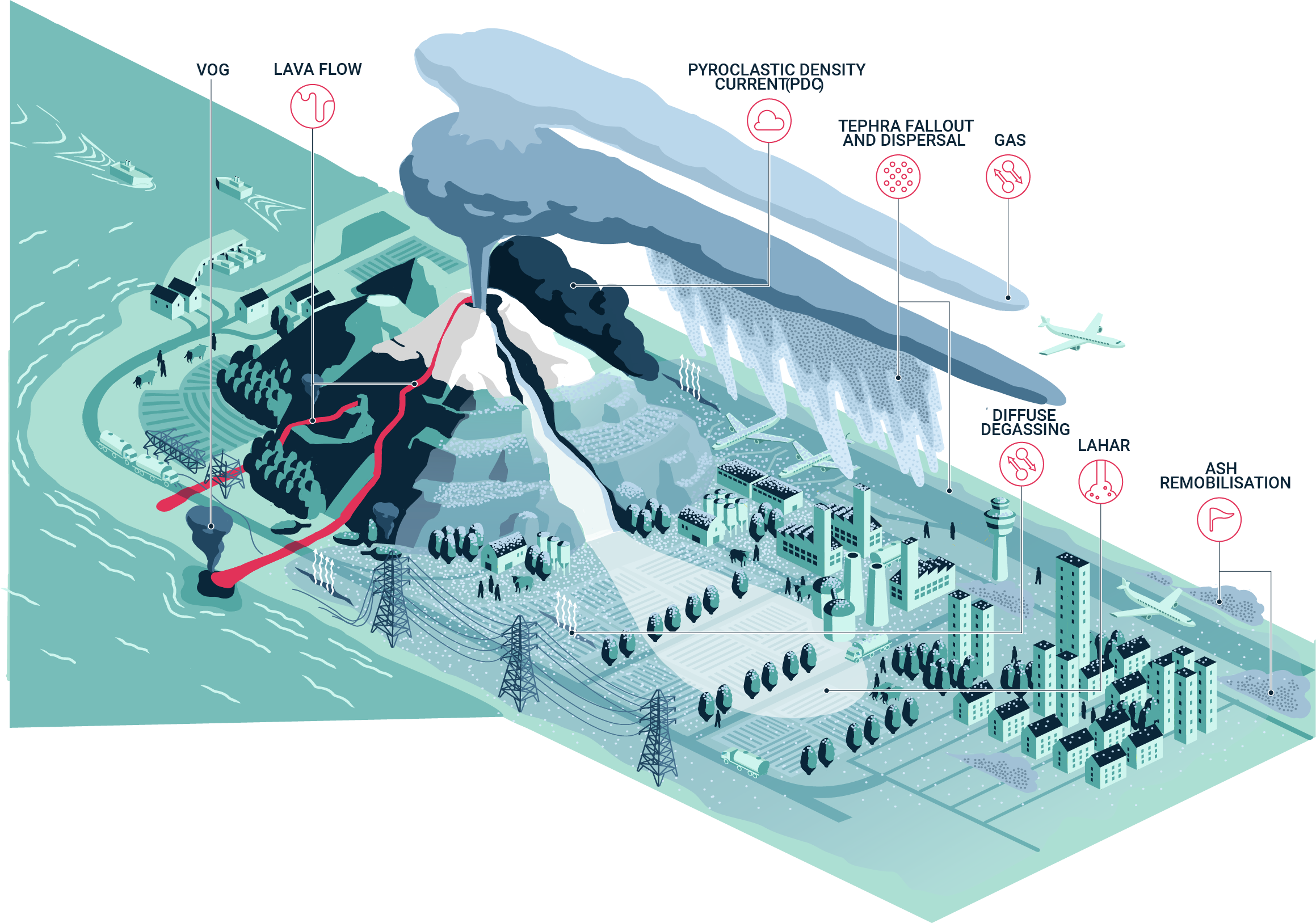
It is a multihazard system

  • Before eruption…
  • During eruption…
  • (Long) after eruption…

UNDRR (2025)

UNDRR (2025)

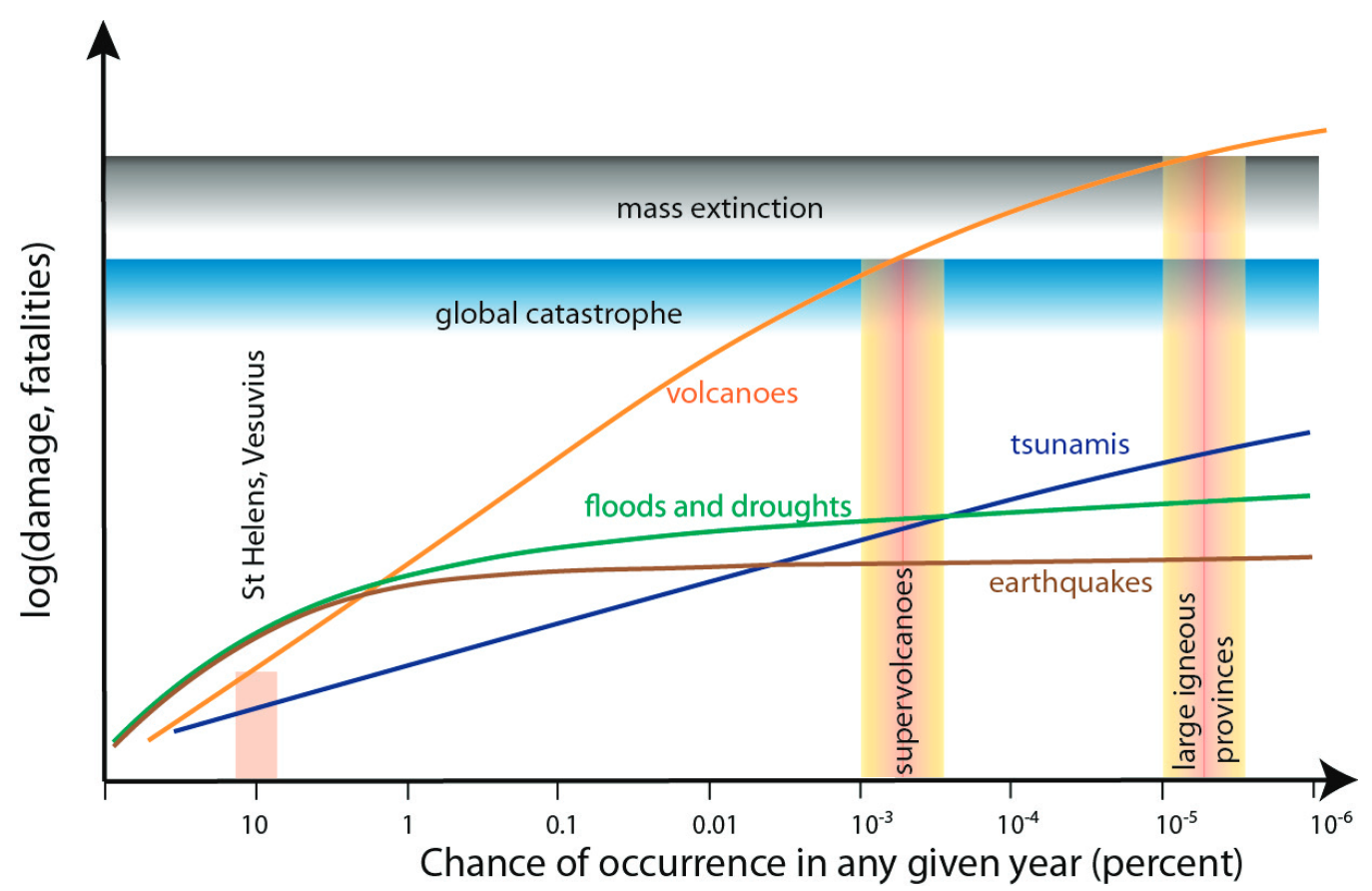
Eruptions can cause extreme hazards

Extreme geohazards

  • Low probability
  • High impact
  • Long recovery

Consequence

  • Difficult to model
  • Difficult to plan for

Complex relationship with society

  • Short term → problematic
  • Long term → beneficial
    • Tourism
    • Agriculture
    • Geothermal energy
    • Mineral resources

Complex risk perception
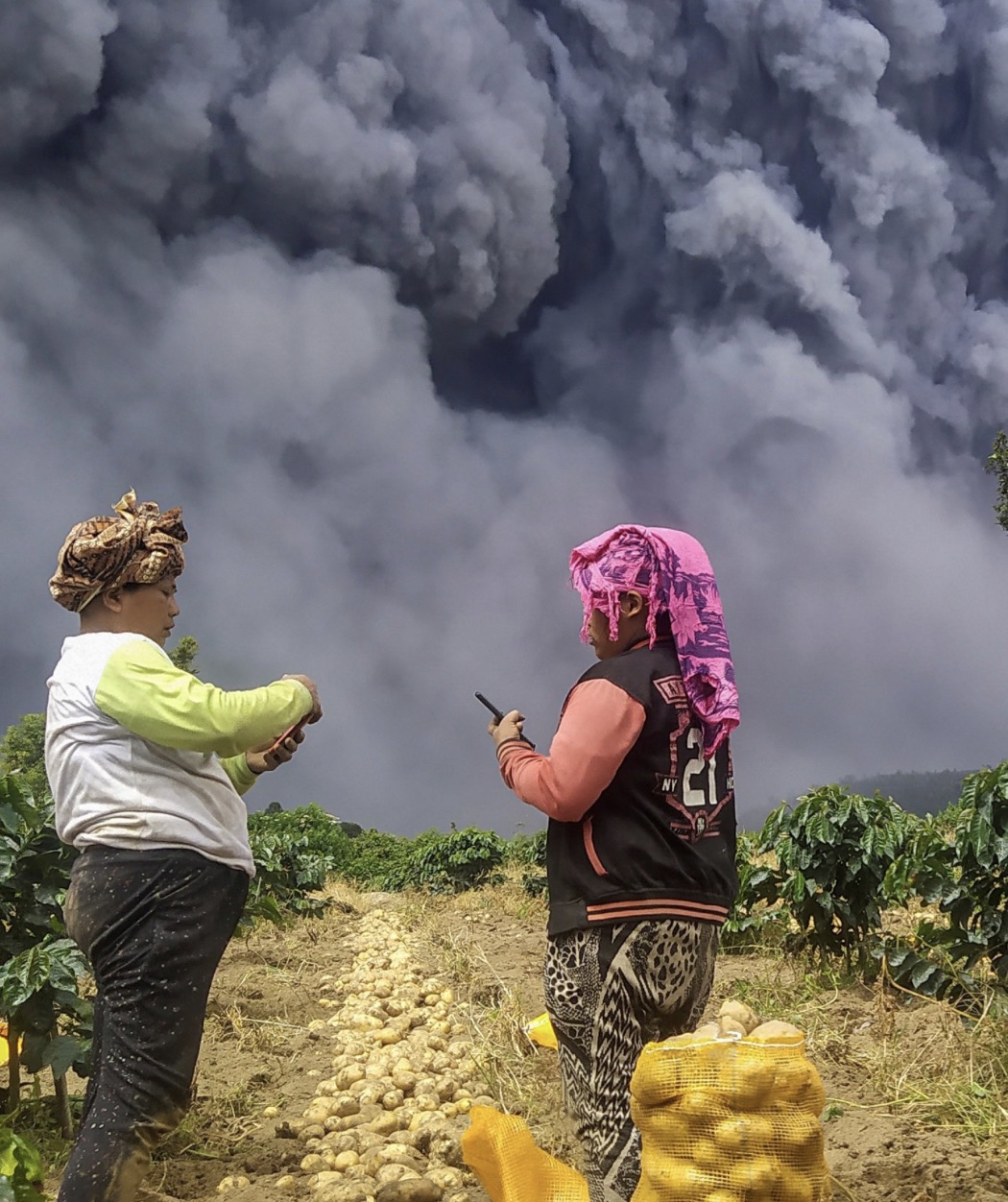
Agung 2020 (Sumatra) - Reuters

Agung 2020 (Sumatra) - Reuters

Complex relationship with the Earth’s spheres

→ Links deep Earth to biosphere/atmosphere/hydrosphere
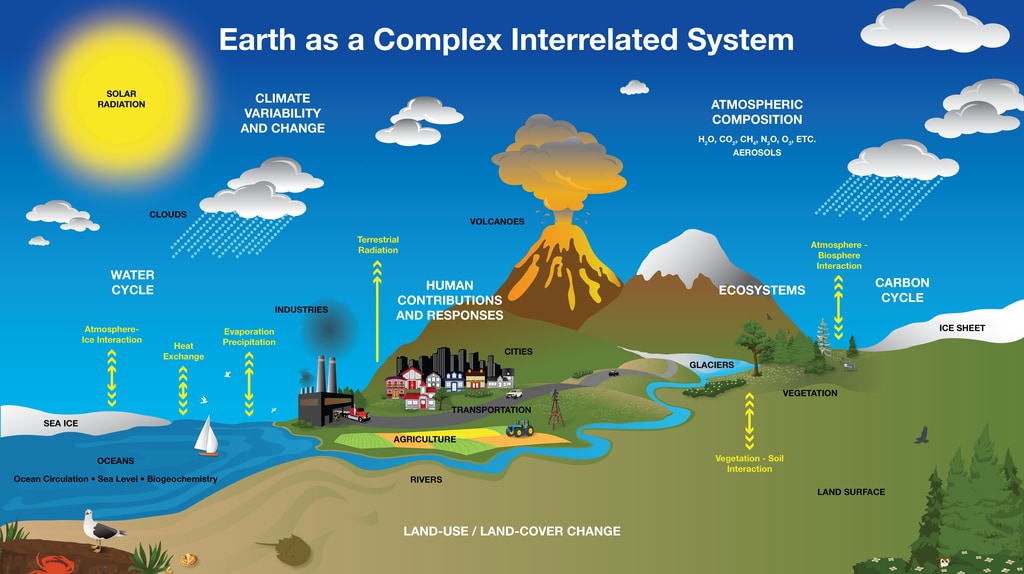
NASA’s Goddard Space Flight Center

NASA’s Goddard Space Flight Center

Complex impacts

→ ~850 million people live within 100 km of an active volcano
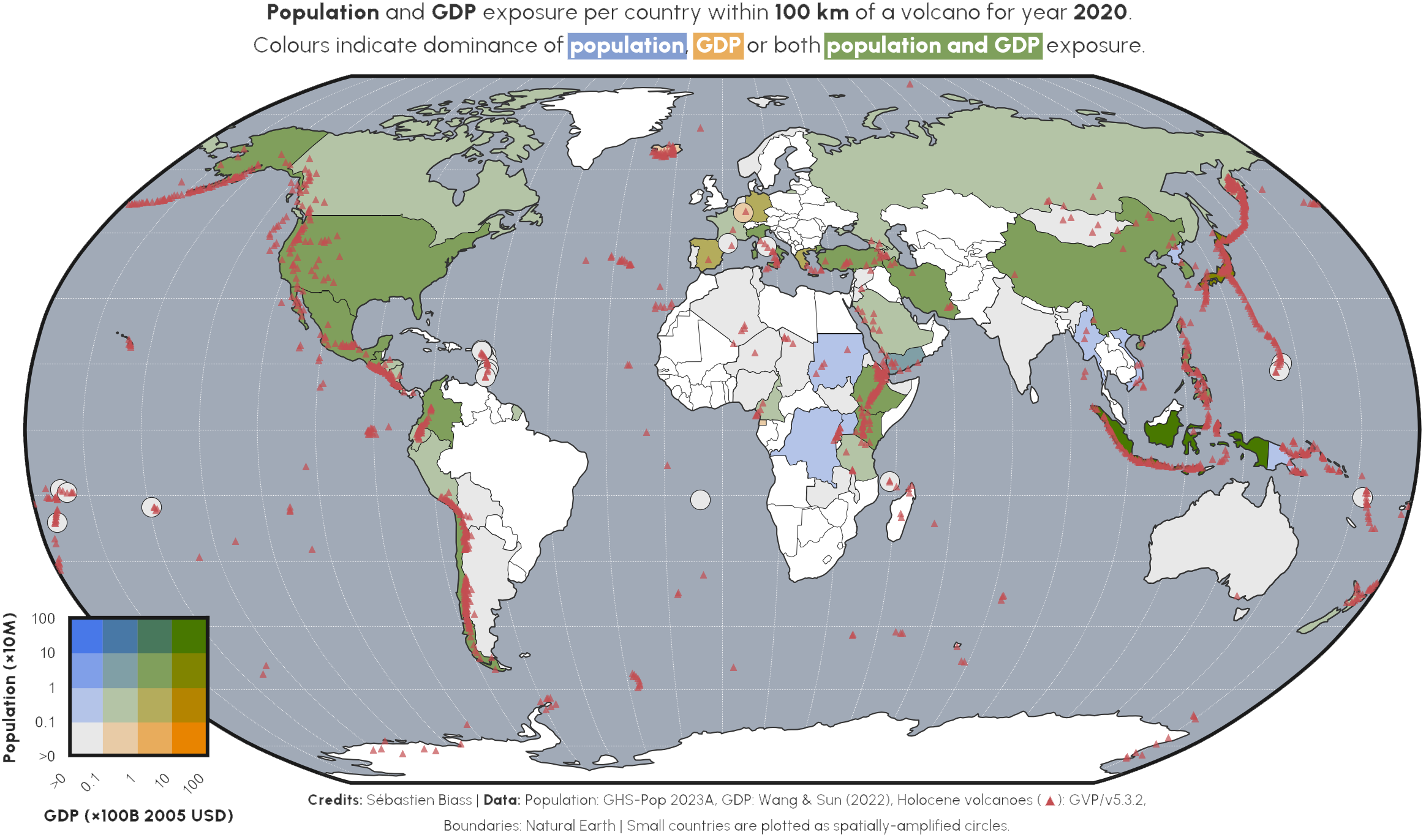
Country exposure to active volcanoes

Country exposure to active volcanoes

Class structure

Course’s objectives

  • Tackle a geological system in its ensemble
    • Petrology → sedimentology → society
  • Go back to observational roots
    • Observe → formulate → model
  • Develop an intuition
    • What process(es) control phenomenon?

Course schedule

Class Date Topic
Class 1 February 16 The evolution of volcanology
Class 2 February 23 How and where does magma form?
Class 3 March 2 Melt properties & transport at depth
Class 4 March 9 Transport & storage shallow level
Class 5 March 16 Eruption triggering & effusive vs explosive
Class 6 March 23 Dormant/unrest & effusive
Class 7 March 30 Phenomena and deposits I: Dormant/unrest & effusive
Class 8 April 13 Phenomena and deposits II: Explosive
Class 9 April 20 Case study
Class 10 April 27 Hazard assessment

Course structure

General class

  • Slides in English, text ± in French
  • 60/40% of time lecture/TP
  • Hoping for some interactions!!!
    • Feedbacks are welcome!

Support

  • Any problem? Personal or group? Don’t hesitate to talk to me

TP

  • Not graded
  • For now in Excel → bring a computer!

Exam

  • Written exam
  • Format to be defined

Field camp

  • Mapping volcanic units
  • Borée, Macif Central
  • May 3-8 (Sunday → Friday)

Any issue?

Please don’t hesitate to come and talk to me if there is any issue about class/field → don’t wait for the last moment!

Textbooks

Encyclopaedia of Volcanoes, 2nd edition

  • 2nd edition published in 2015
  • Most comprehensive knowledge repository
  • Each chapter written by experts
  • PDF available upon request
  • 3rd edition will be released in 2026

Sigurdsson H, Houghton B, McNutt S, et al (eds) (2015) The encyclopedia of volcanoes, 2nd edn. Academic Press / Elsevier, London, United Kingdom
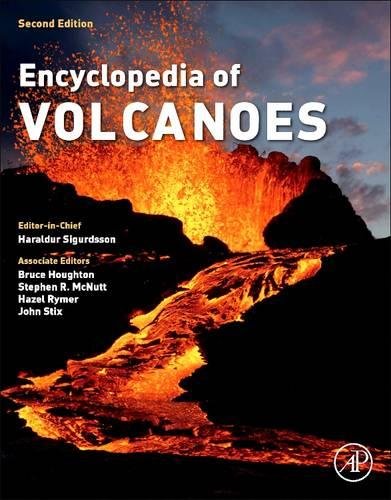
Sigurdsson et al. (2015)

Sigurdsson et al. (2015)

Volcanoes, Global perspectives, 2nd edition

  • Good textbook
  • PDF of the 1st edition available upon request

Lockwood JP, Hazlett RW, de la Cruz-Reyna S (2022) Volcanoes: Global perspectives, 2nd edn. Wiley-Blackwell
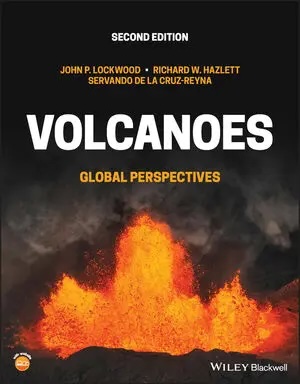
Lockwood et al. (2022)

Lockwood et al. (2022)

How volcanoes work

  • Good review paper
  • Covers eruptive processes

Cashman K, Sparks R (2013) How volcanoes work: A 25 year perspective. Geological Society of America Bulletin
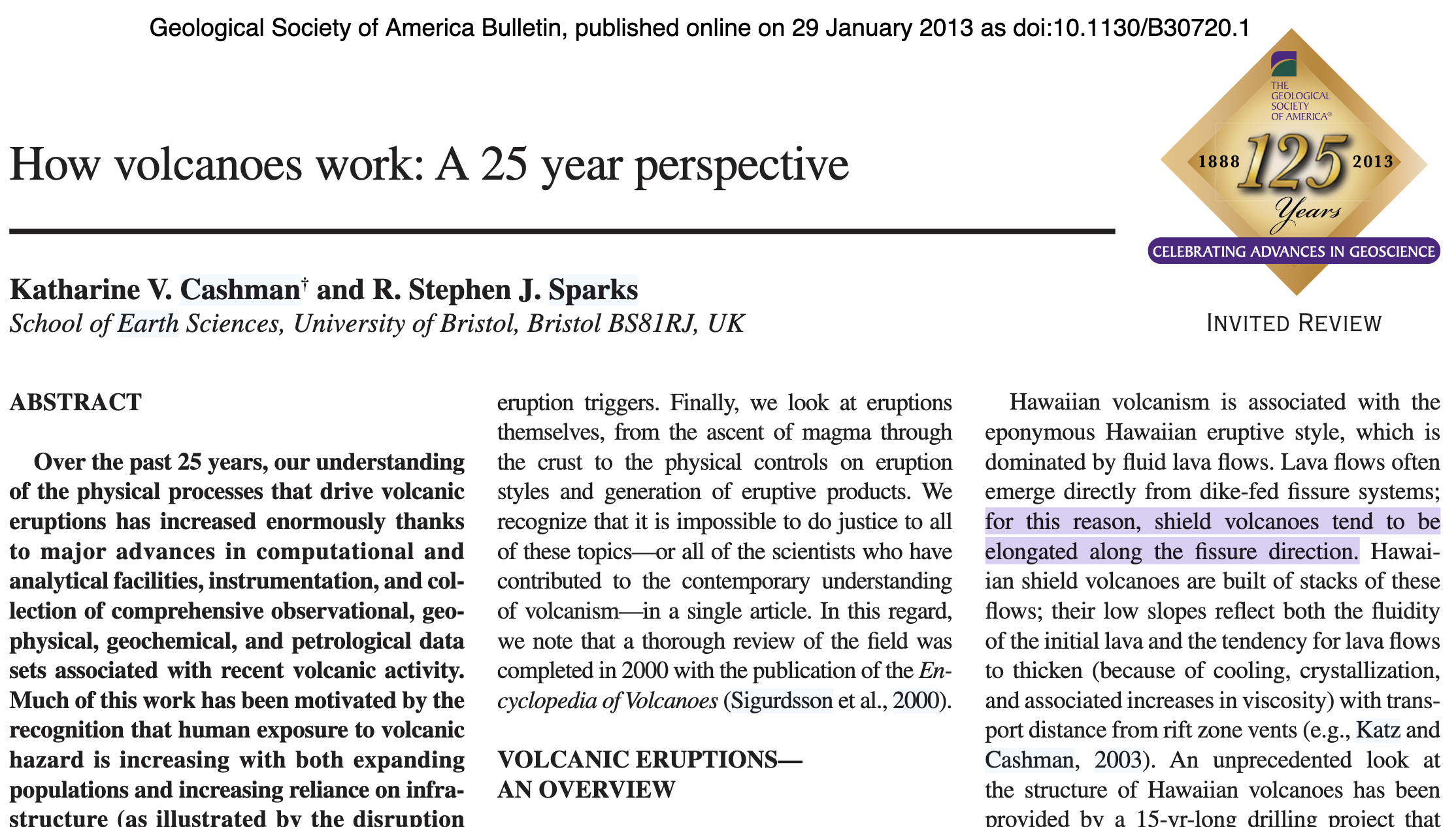
Cashman and Sparks (2013)

Cashman and Sparks (2013)

Volcanologie

  • Good French textbook
  • Covers a wide array of topics
  • Technical but not research-oriented
  • Available in the library

Chazot G, Lénat J-F, Maury RC, et al (2017) Volcanologie. De Boeck Supérieur, Louvain-la-Neuve Paris
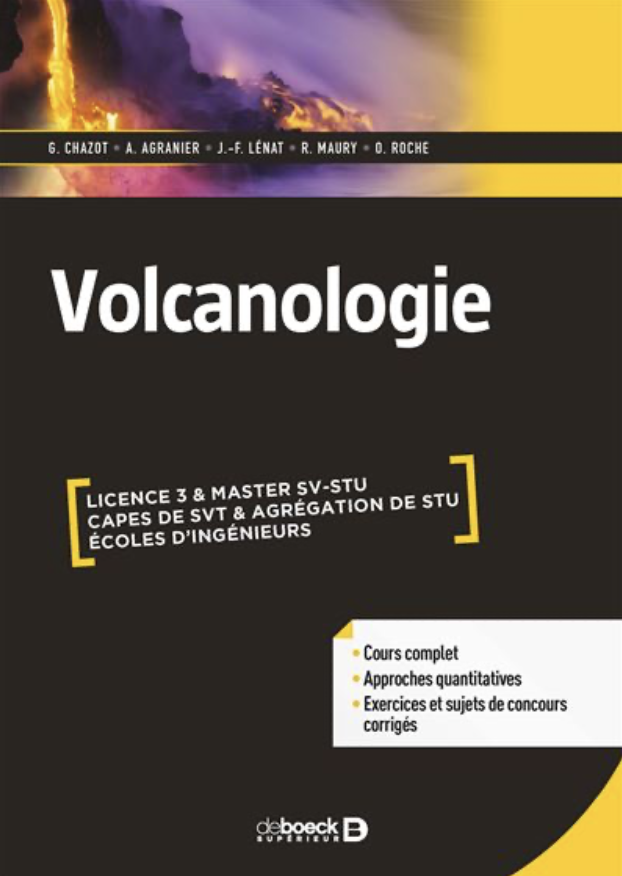
Chazot et al. (2017)

Chazot et al. (2017)

Traité de volcanologie physique

  • Good French textbook
  • Covers a wide array of topics
  • Technical but not research-oriented
  • Available in the library

Detay M (2017) Traité de volcanologie physique, 2nd edn. Lavoisier, Paris
Detay (2017)

Detay (2017)

History of volcanology

Origin of the word

  • Greek civilization → gods to explain the natural world
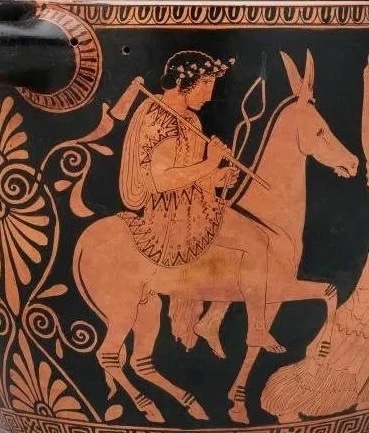
  • Hephaestus (εϕ9ατσος) → son of Zeus
  • After an argument → condemned to live within the Earth
  • Became responsible for artisans → forging metal using volcanoes
  • After Romans took over → Hephaestus became Vulcan
  • Home: Vulcano island, Sicily

Hephaestus, ca. 430-420 B.C.

Hephaestus, ca. 430-420 B.C.

The Beginnings

Prehistory → Classical Antiquity

  • Fire, lava, heat as early natural phenomena
  • Volcanic regions preserve fossils & archaeology
  • Volcanic deposits enable radiometric dating
  • Lava and obsidian used for tools
  • Volcanic products used for cement and sulfur
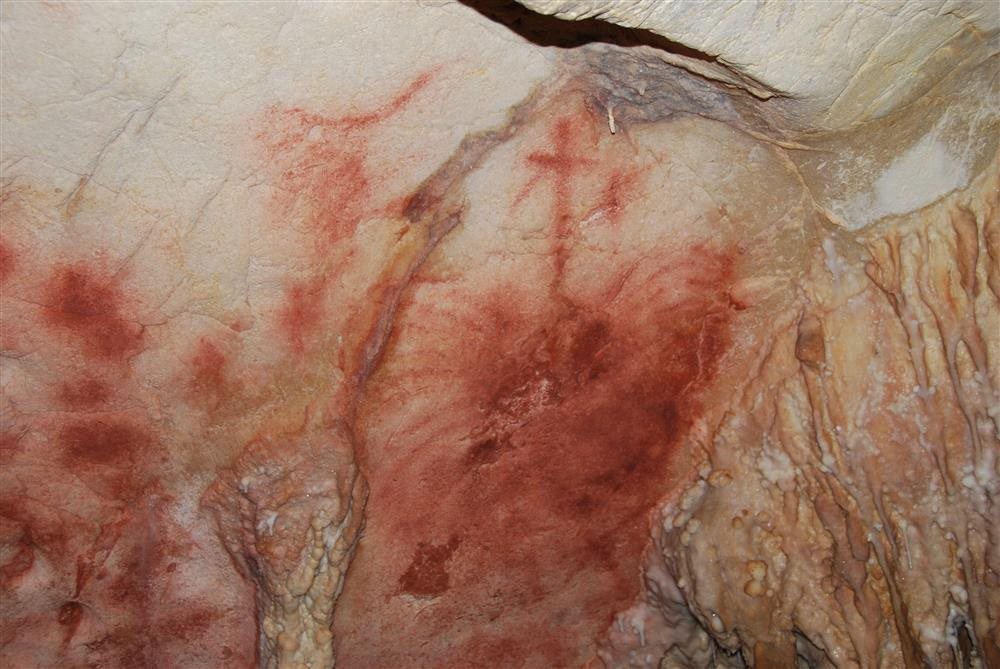
Grotte Chauvet, 36-40 ky ago

Grotte Chauvet, 36-40 ky ago

The Legends and Hell

Prehistory → Middle Ages

  • Volcanoes explained by myth and religion
  • Seen as homes of gods, demons, or Hell
  • Ritual sacrifices common
  • Eruptions viewed as divine punishment
  • No physical causality

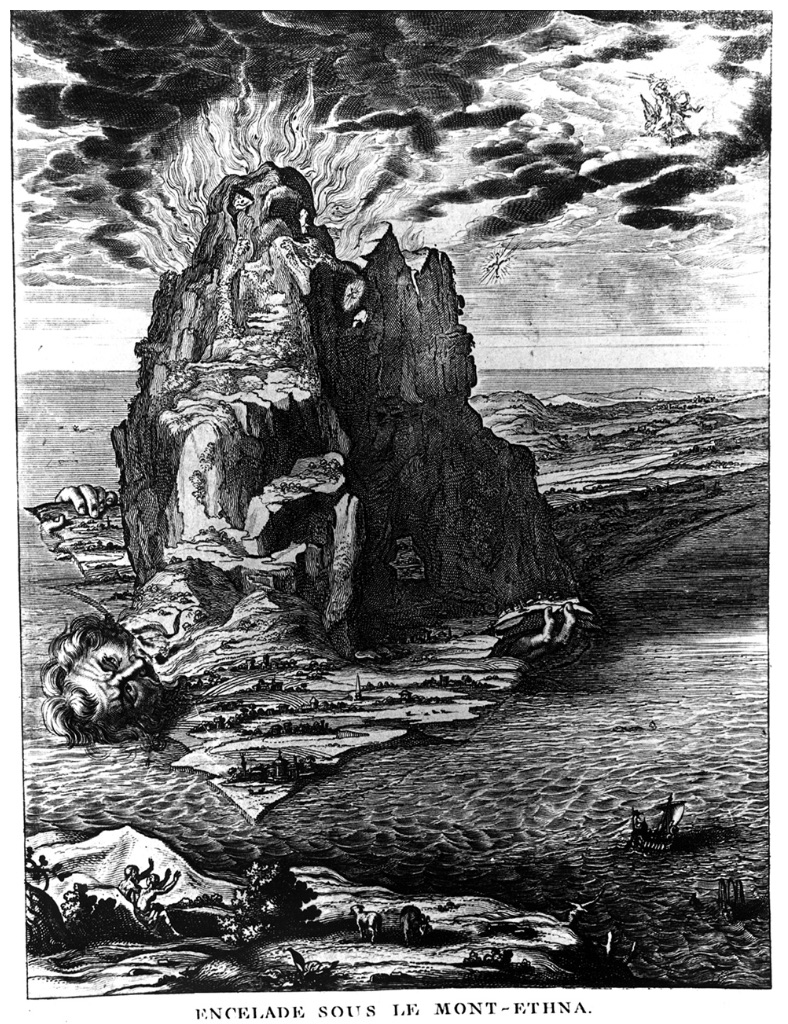
Enceladus trapped beneath Mt Etna

Myths & legends

Prehistory → Middle Ages

Myth = fiction

  • Products of superstitions and fears
  • Widely circulated but never true

Legend = rooted in actual events

  • Embellished by storytellers as they pass it to the following generations
  • “Poetic license & grains of truth”

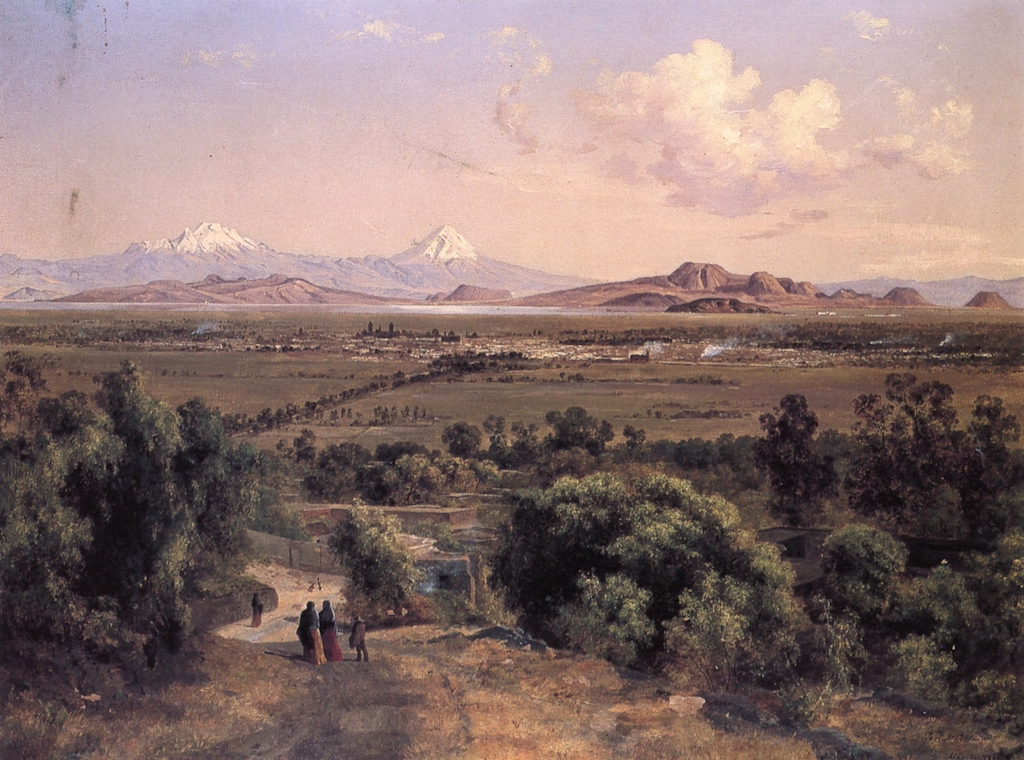
Popocatépetl and Iztaccíhuatl by Jose Maria Velasco (1878), myth of Popoca and Mixtli

Popocatépetl and Iztaccíhuatl by Jose Maria Velasco (1878), myth of Popoca and Mixtli

One amongst many legends…

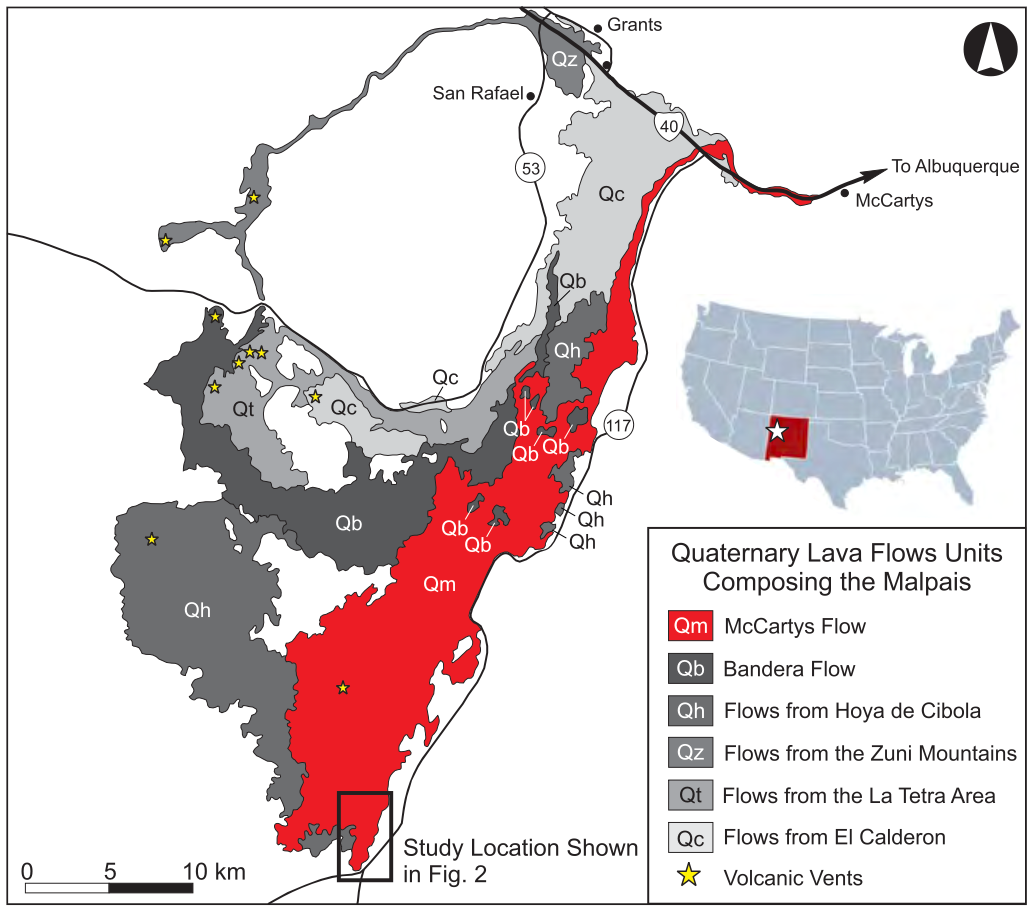
When the giant (Ye’litsoh) was felled by a stone from the young man’s sling, he fell to the earth and made the ground shake all over. The giant’s blood poured forth as a red torrent that flowed like a river across the land. When the red blood dried it turned black – you can see this dried-blood river today.

Navajo myth about the ~3000 years old McCarty’s flow
Wind in the Earth

5th century BC → 16th century

First naturalistic explanation

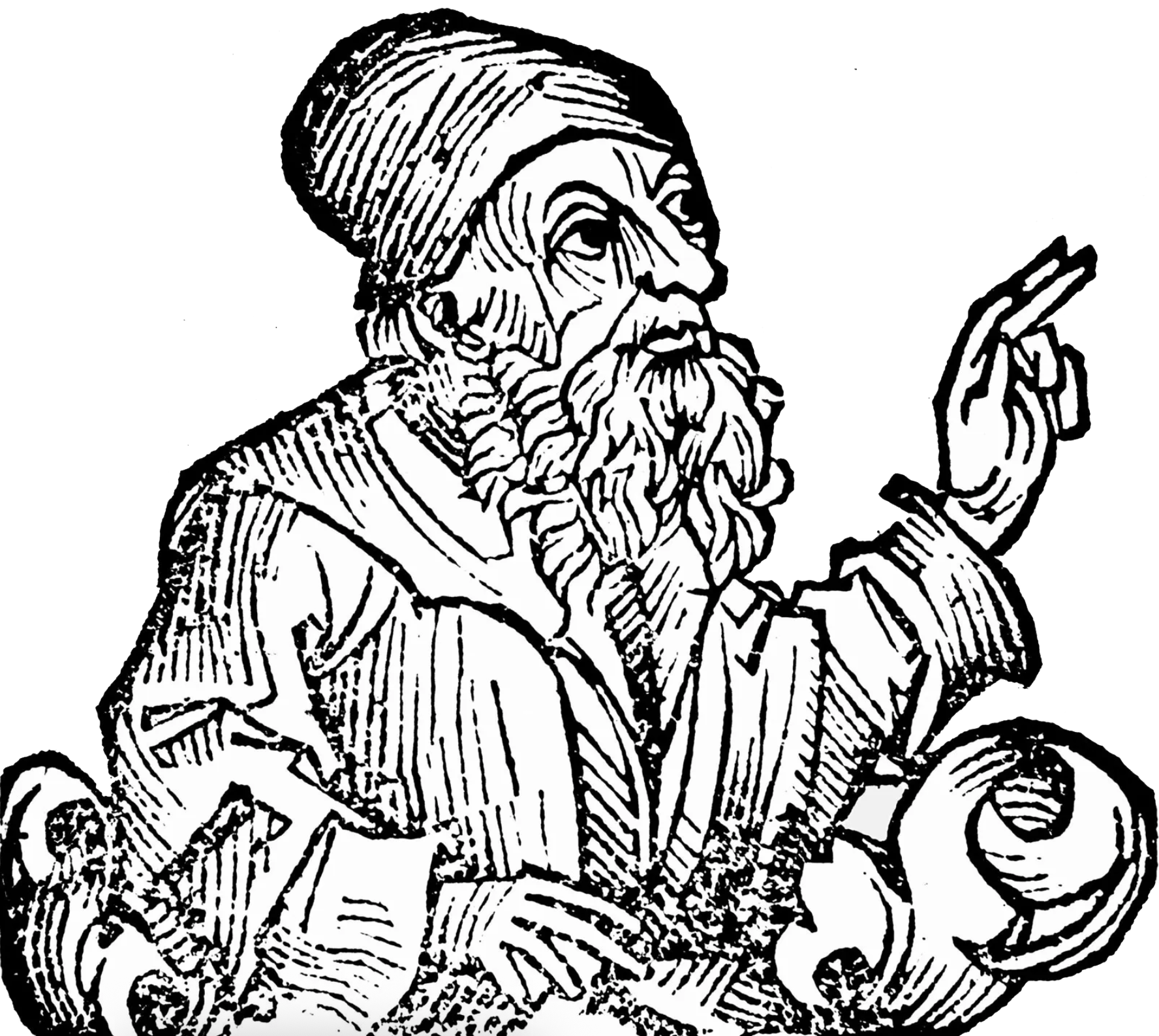
  • Anaxagoras → eruptions caused by subterranean winds
  • Friction generates heat and melting
  • Aristotle links earthquakes and volcanism
  • Theory persists for ~2000 years

Anaxagoras (c.500—428 BC)

Anaxagoras (c.500—428 BC)

Internal Combustion

Roman era → 18th century

  • Volcanoes as burning fuel reservoirs
  • Seneca: winds ignite flammable materials → sulfur and coal
  • Introduces chemical reasoning
  • Ultimately untenable
  • AD 79 Vesuvius → first account of an eruption
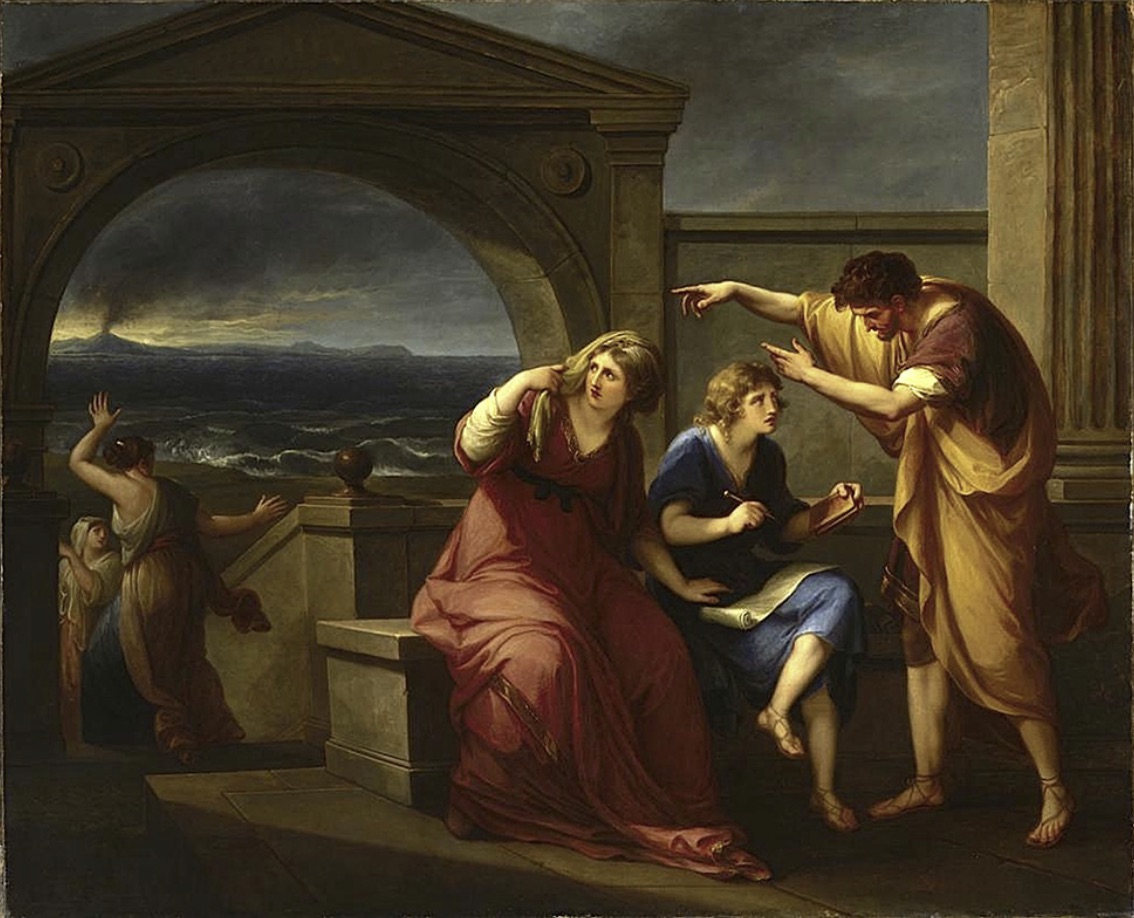
Angelica Kauffmann, 1785. Oil on canvas

Angelica Kauffmann, 1785. Oil on canvas

Exothermic Chemical Reactions

17th → early 19th century

  • Setback from Christian religion → volcano = Hell
  • Search for source & structure of heat?
  • Heat from chemical reactions underground
  • Hooke (1635-1703) → Decreasing eruptions/EQ → limited supply
  • Newton (1642-1727) → “Fermentation”
  • Estimates of the age of Earth based on conduction (Kelvin, Newton)
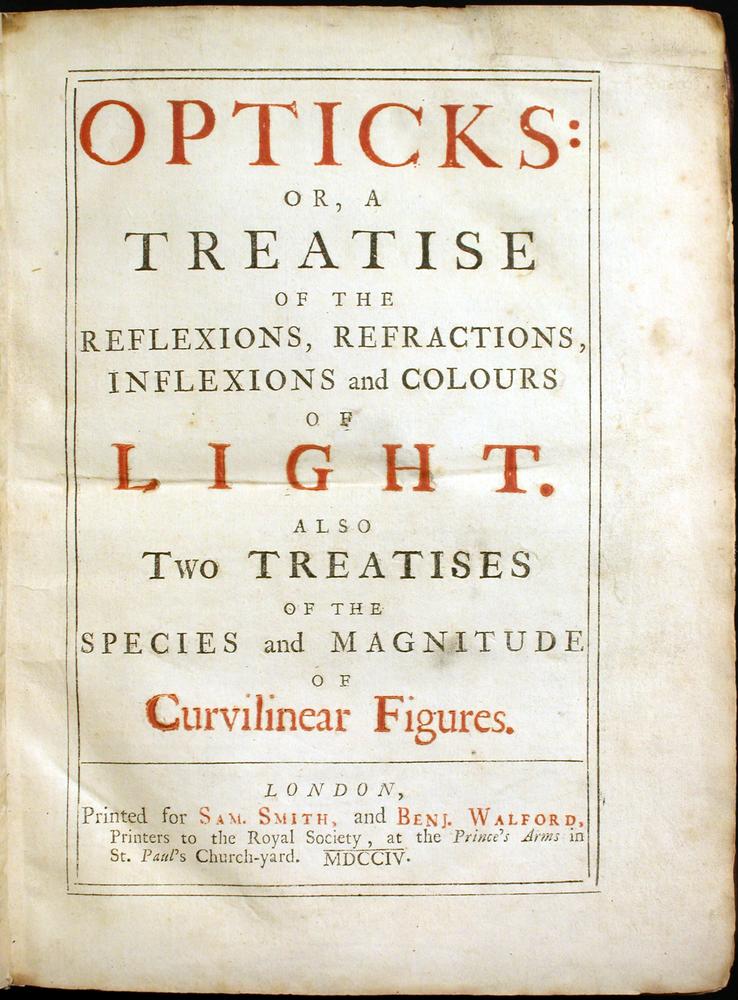
Newton (1704), Opticks: or, A Treatise of the Reflexions, Refractions, Inflexions and Colours of Light

Newton (1704), Opticks: or, A Treatise of the Reflexions, Refractions, Inflexions and Colours of Light

The Cooling Star

17th → 18th century

René Descartes (1596-1650)

  • Volcanism → primordial heat in the Earth
  • Layered Earth: core, mantle, crust
  • Significance in evolution of geophysics and volcanology

Baron von Leibniz (1646-1716)

  • Earth originally molten
  • Lacking internal heath → cooling by conduction
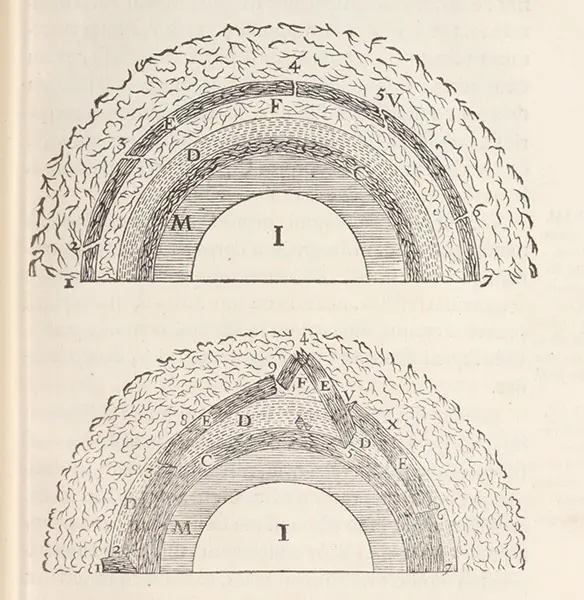
Descartes (1644), Principia philosophiae

Descartes (1644), Principia philosophiae

Plutonists vs Neptunists

Late 18th → early 19th century

  • Neptunists (Werner (1749 –1817)): rocks precipitate from oceans → biblical interpretation
  • Plutonists (Guettard (1715 – 86)): rocks crystallize from magma
  • New: Field and experimental evidence
  • Basalt and granite confirmed igneous
  • Heat central to geology

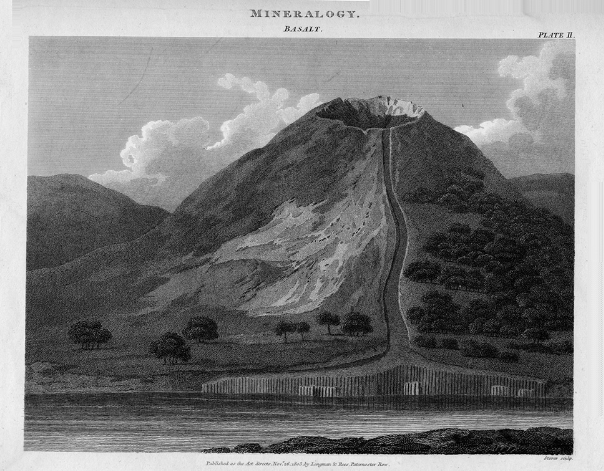
Relationship between columnar basalts and volcanoes

Relationship between columnar basalts and volcanoes

The First Field Volcanologists

Mid-18th century

  • Shift from speculation to field evidence
  • Identification of ancient lava flows
  • Columnar basalt linked to cooling lava
  • Volcanic vents identified
  • Birth of field volcanology
  • Destructive power of eruptions

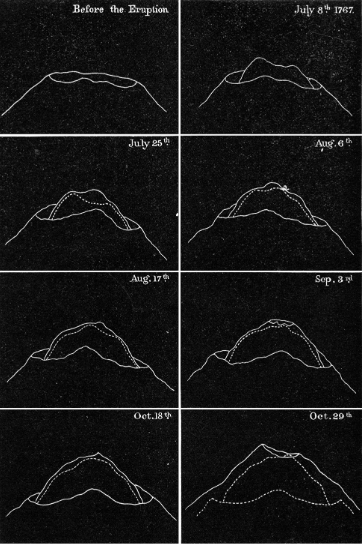
William Hamilton, Vesuvius 1767

William Hamilton, Vesuvius 1767

Experiments of the Plutonists

Late 18th → early 19th century

James Hutton (1726-1797):

  • Intrusion of magma into strata
  • Molten rock → hot Earth interior
  • Still, very religious

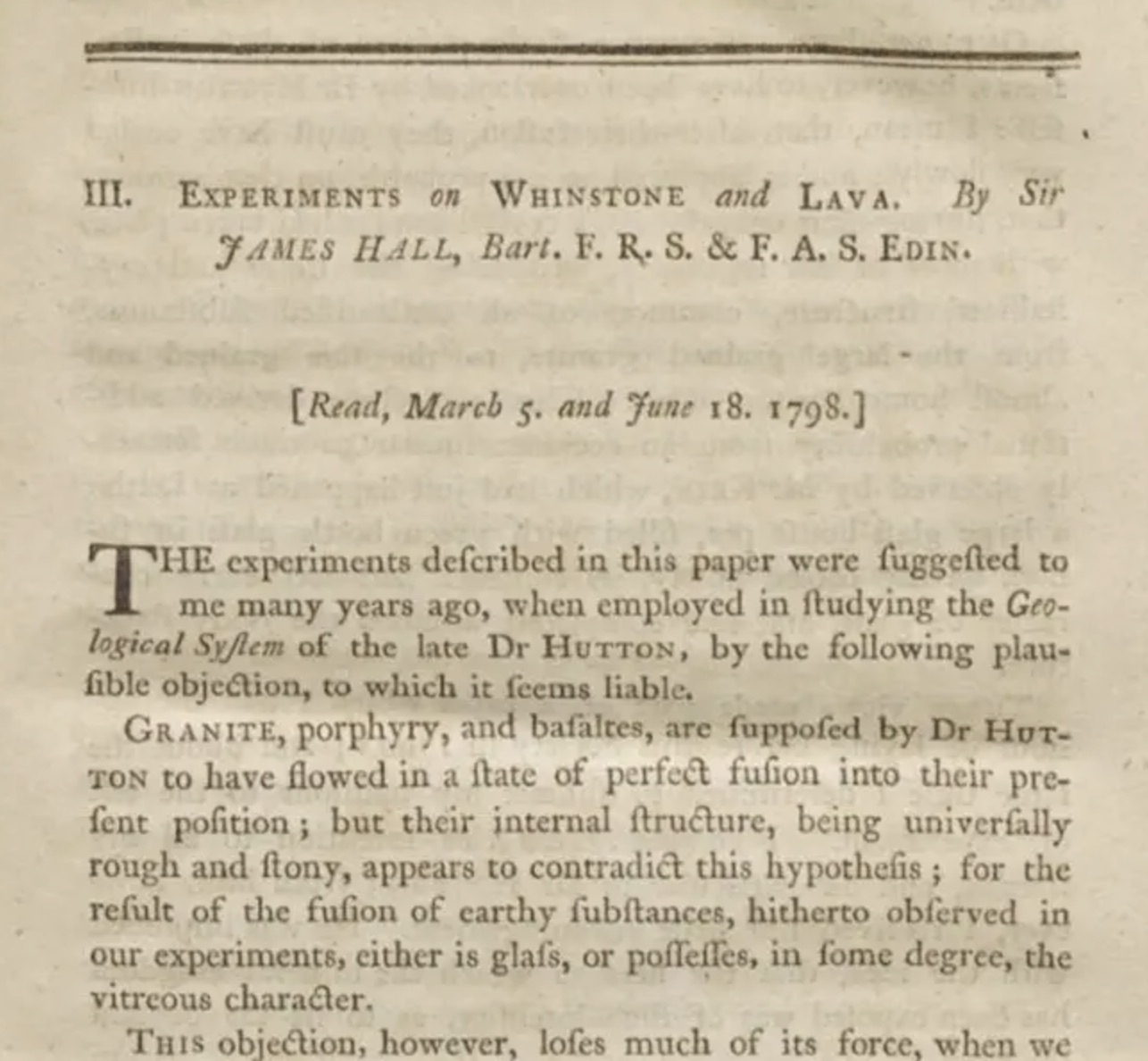
James Hall (1761-1832) → Experiments

  • Basalt melts and recrystallizes
  • Cooling rate controls texture

Experiments on whinstone and lava, Hall (1805)

Experiments on whinstone and lava, Hall (1805)

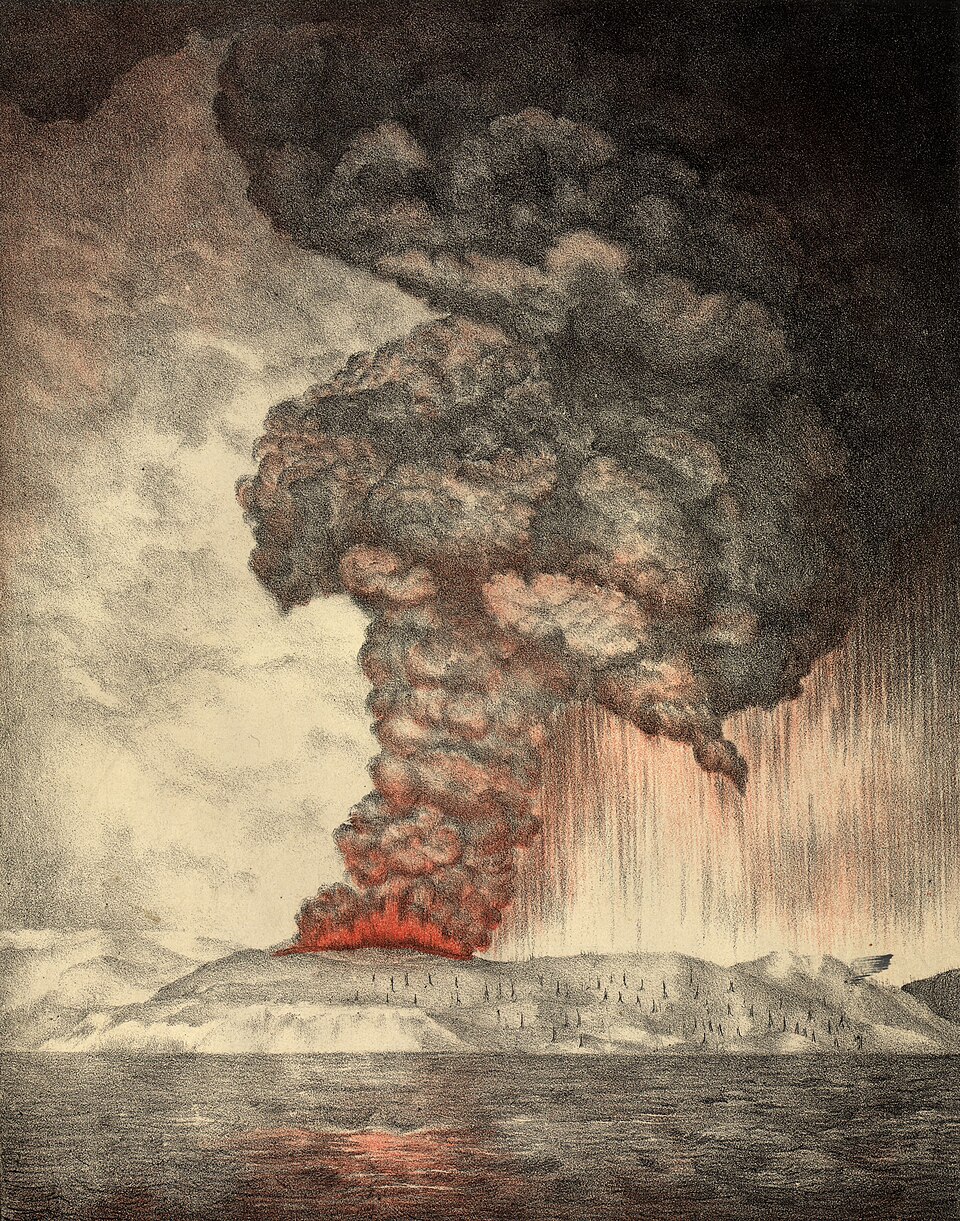
A Solid Earth

Mid-19th century

  • Descartes → largely molten interior
  • Andre-Marie Ampere (1833): tidal action doesn’t support fluid interior
  • Paradox: solid Earth + volcanism
  • New melting mechanisms needed
  • Also: Telegraph

The eruption of Krakatoa, and subsequent phenomena (London, Trubner & Co., 1888)

Decompression Melting

19th century

  • Pressure influence
    • T°C of phase change
    • Solubility
  • Birth of thermodynamics
  • Rock at depth can begin melting if pressure is decreased without addition of heat
  • But what causes decompression?

We must seek the immediate cause of igneous action, not in the generation of heat, but chiefly in relief of pressure in certain deep-seated parts of the crust where solid and molten rock are approximately in thermal equilibrium.

Harker (1909), The Natural History of Igneous Rocks

Convection

Late 19th → mid-20th century

  • Radioactivity as internal heat source
  • Mantle convection transports heat
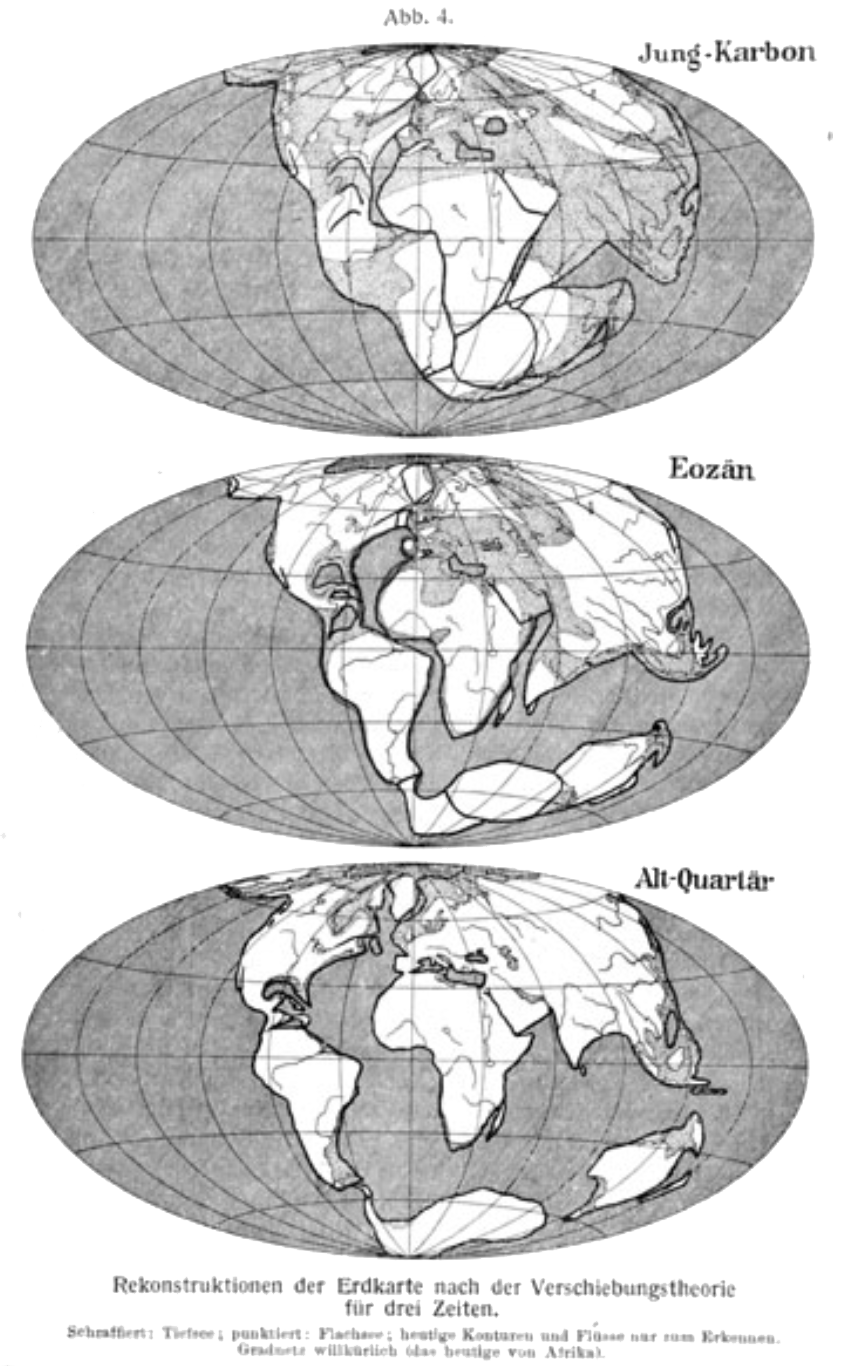
  • Alfred Wegener (1880-1930) → continental drifting
  • Explains decompression melting
  • Predicts volcanic belts → why volcanoes are where they are?
  • Foundation of plate tectonics

Wenger (1929)

Continental drifting

Late 19th → mid-20th century

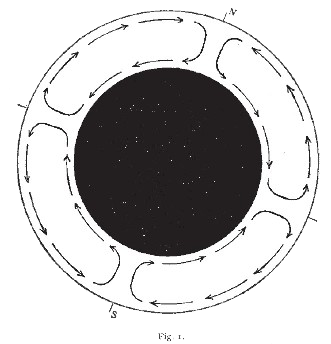
Arthur Holmes (1890-1965)

  • Convection → stretch crust
  • Estimated 5 cm/yr → fit spreading rate!
  • Discouraged by criticisms of Wenger’s theory
  • Theory accepted in the 60’s

Holmes (1929), Radioactivity and earth movements

Holmes (1929), Radioactivity and earth movements

“In science the credit goes to the man who convinces the world, not to the man to whom the idea first came.”

William Osler

Technological advances

Mid-20th century

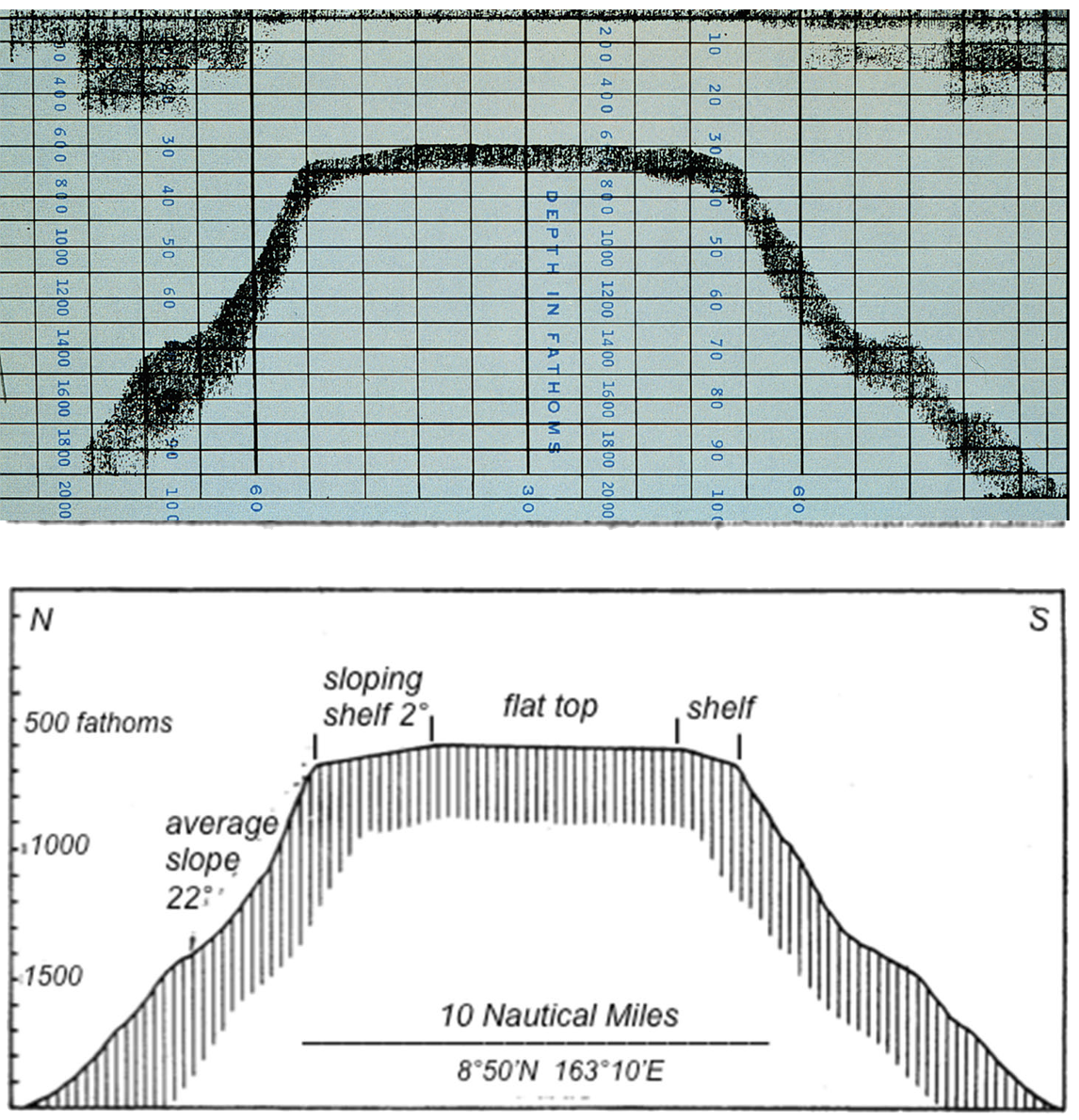
1945-1950 → cold war → technology → sonar, magnetometer

  • Revealed interconnectedness of mid-ocean ridge (MOR)
  • “Guyots” → submerged deeper with distance from ridge
  • Discovery of island arcs
  • Reversal of magnetic field

First imagery of a guyot by Hess (1946)

First imagery of a guyot by Hess (1946)

Seafloor spreading

Mid-20th century

Harry Hess (1906-1969): paleomagnetic, bathymetric, radiometric, and gravity data:

  • Creation of new crust + volcanoes at MOR
  • Explanation of continental drift
  • Crust recycling
  • Essay on Geopoetry → renamed “sea floor spreading theory”
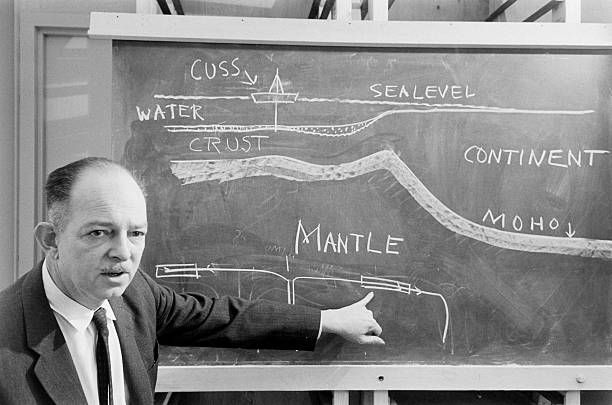
Harry Hess

Harry Hess

Birth of Petrology

19th → early 20th century

  • George Scrope (1797-1876) + Darwin (1809-1882)
    • Single parent magma
    • magmatic differentiation
  • Robert Bunsen (1811-1899): Magmas → High T°C solution of silicates
  • Norman Bowen (1887-1956): Fractional crystallisation
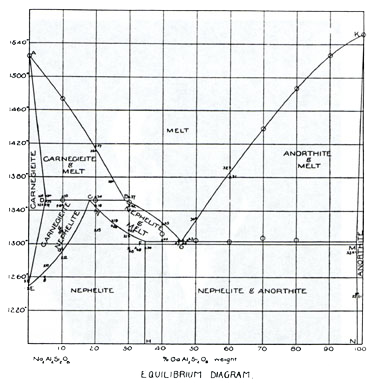
Phase equilibrium diagram in Bowen (1912)

Phase equilibrium diagram in Bowen (1912)

Again, a note on ego…


The only rival hypothesis to differentiation is the doctrine of the mixing of two fundamental magmas (basaltic and rhyolitic) but this has been found to fail so completely that the concept of differentiation has come to be regarded as a fact as well established as the observed rock associations themselves.

Bowen, 1929

The Source

Early → mid-20th century

  • Still debate about Earth structure
  • Primary source of magma:
    • “Pool” of basalt?
    • Peridotite?
  • Seismology supports peridotitic mantle → largely solid
  • Partial melting produces basalt
  • Debate until mantle convection accepted
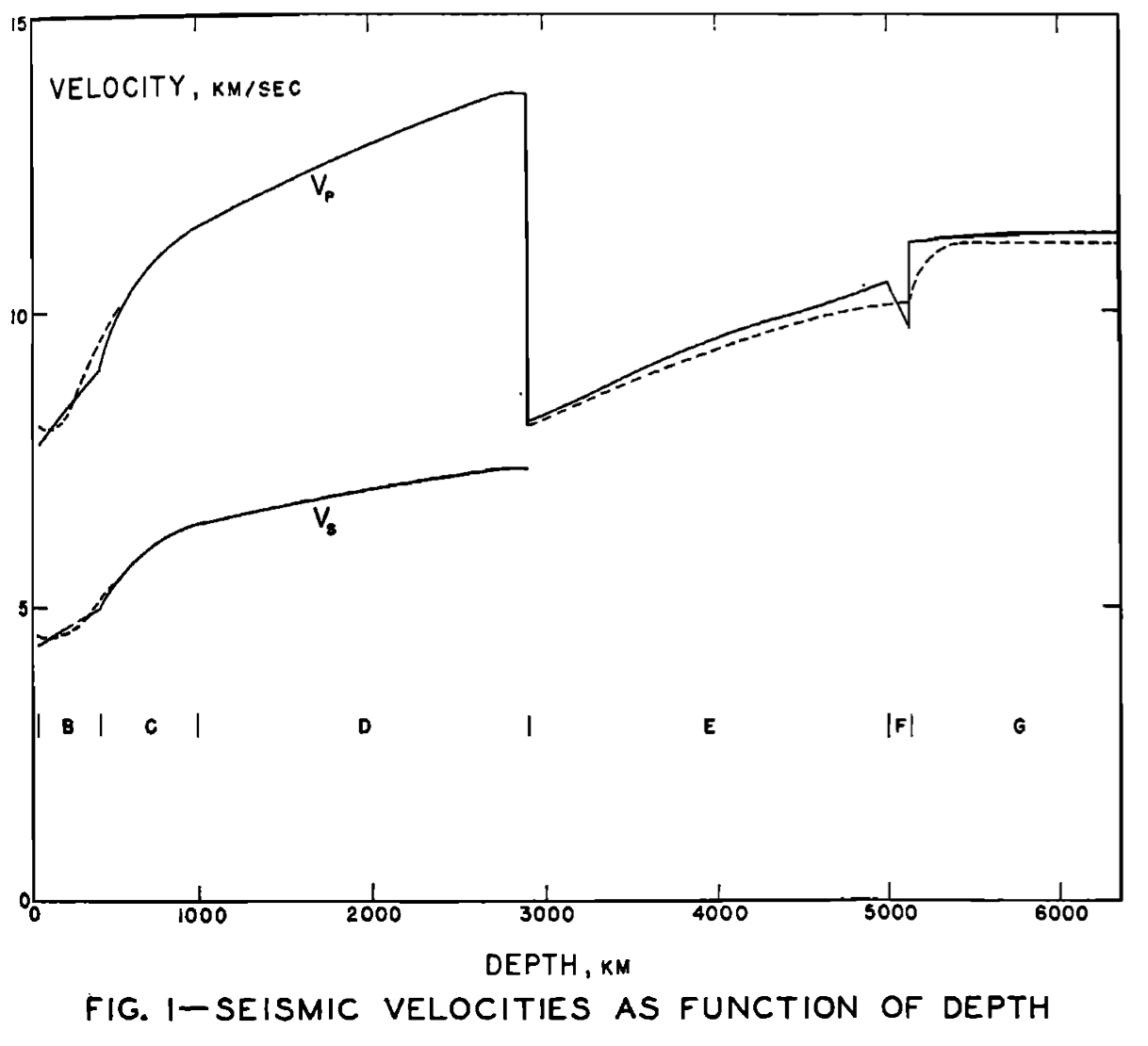
S and P Wave velocities in the mantle (Birch 1952)

Some interesting volcanologists

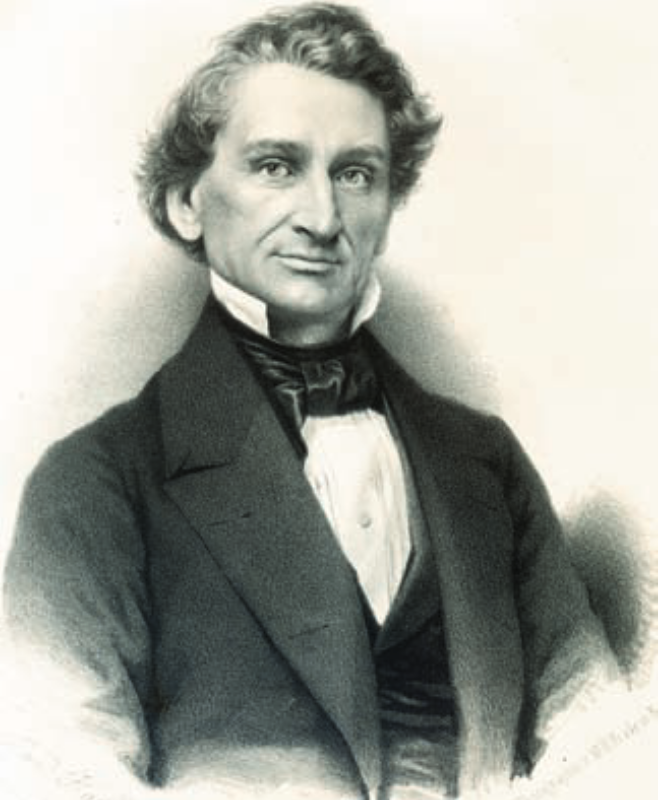
George Poulett Scrope (UK, 1797–1876)

  • First person to dedicate his life to the study of volcanoes
  • First to advocate for the importance of fieldwork
  • Intuition: role of water in magma properties / eruption style
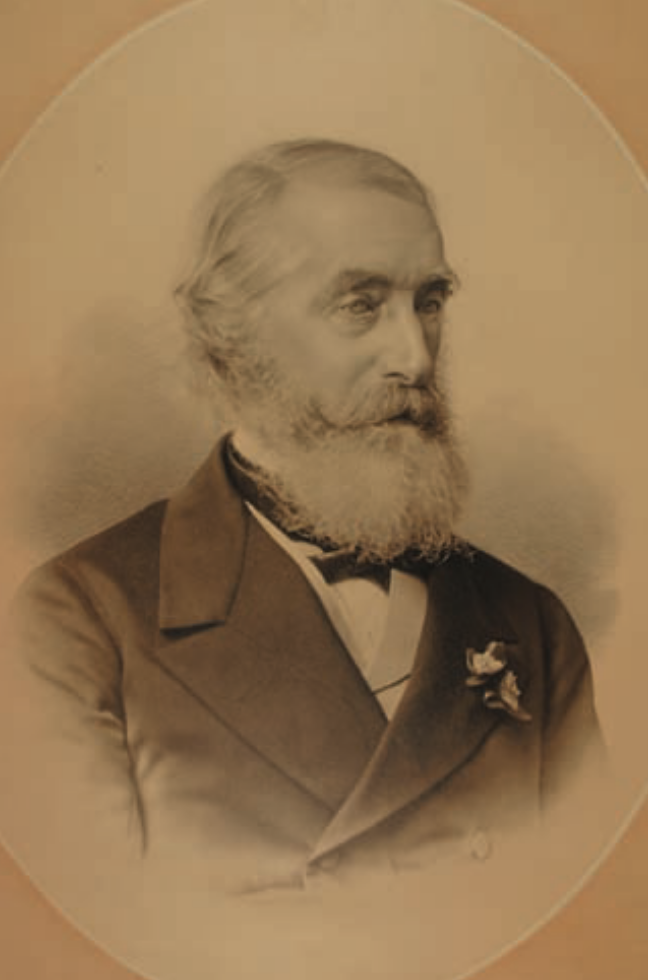
George Poulett Scrope

George Poulett Scrope

James D. Dana (USA, 1813–95)

  • First US volcanologist
  • Good intuition: Hawaii → evolution of volcanic island from young to old
  • Less so: “Undercrust fire sea”
  • You win some, you loose some!

James D. Dana

James D. Dana

François Alfred Lacroix (FR, 1863–1948)

  • Never saw a volcano before the 1902 Mt Pelée disaster in Martinique
  • First one to recognise “nuées ardentes” → pyroclastic density currents
  • Founded the Observatoire Volcanologique de la Montagne Pelée
  • Scientific advisor for the French Government about volcanic
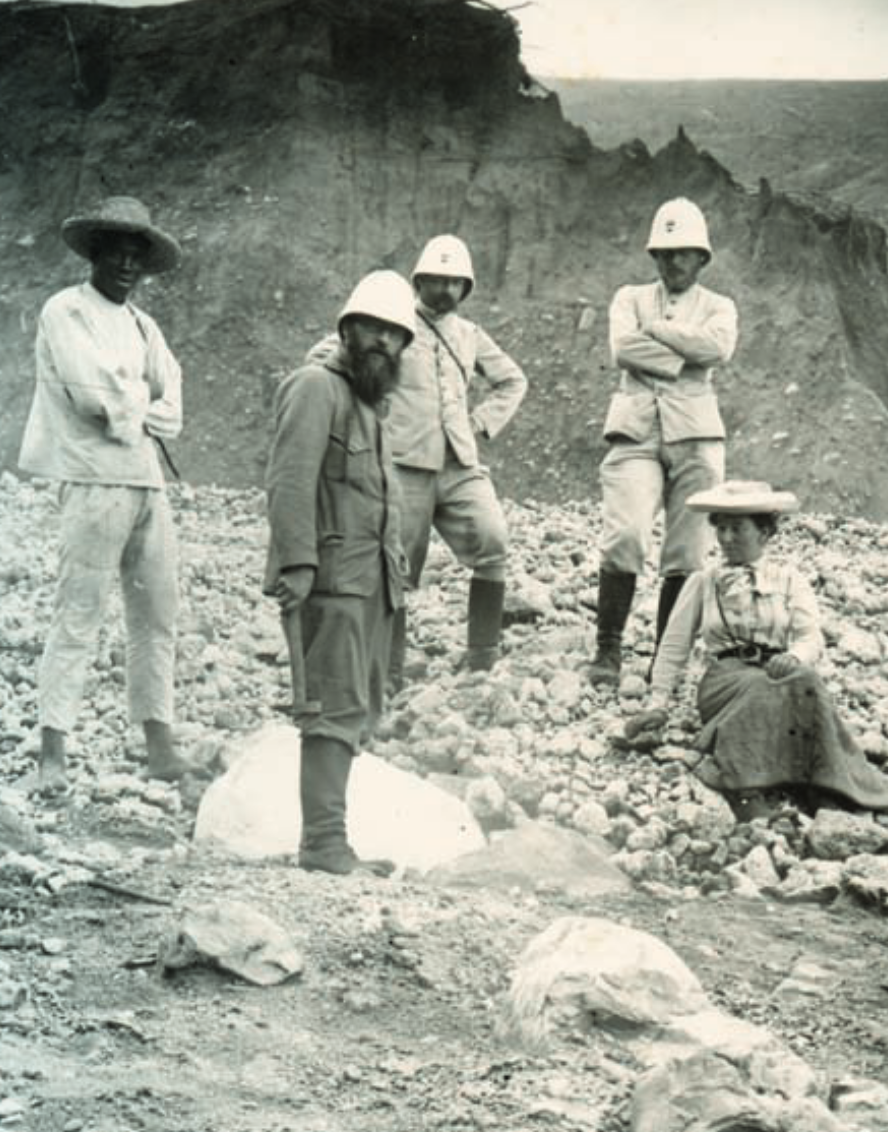
Lacroix (second from the left) on Mt Pelée

Lacroix (second from the left) on Mt Pelée

Thomas A. Jaggar (US, 1871–1953)

  • Expeditionary volcanology after disasters = insufficient for understanding processes of volcanism
    • no possibility of ever predicting eruption
  • “Humanistic Geology”
  • Secured funding to found Hawaiian Volcano Observatory
  • Not a good observer → descriptions entwined with interpretations
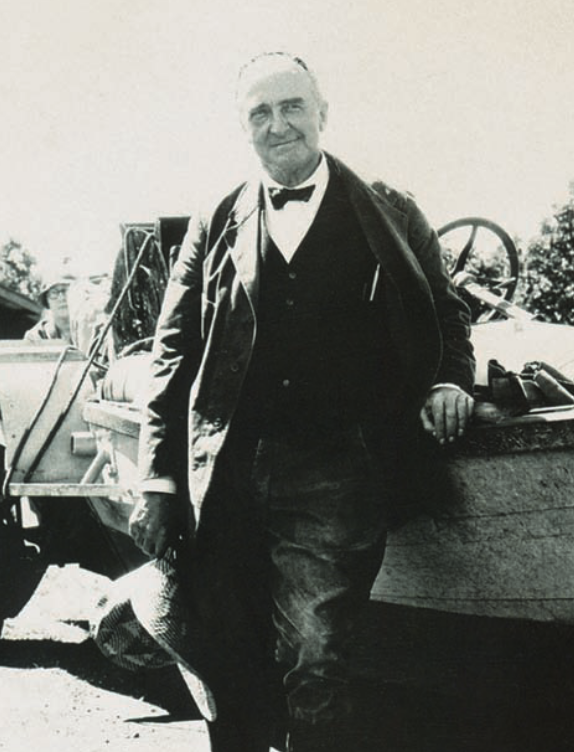
Thomas Jaggar

Thomas Jaggar

Frank A. Perret (US, 1867–1940)

  • Never finished Uni, no training in geology, self educated
  • After 1902 left to Italy to work at the Vesuvio Volcano Observatory → lived in Naples for 20 years
  • Some of the first quantitative measurements of molten lava temperatures
  • One of the first people to recognize the importance of explosive activity in Kilauea’s past
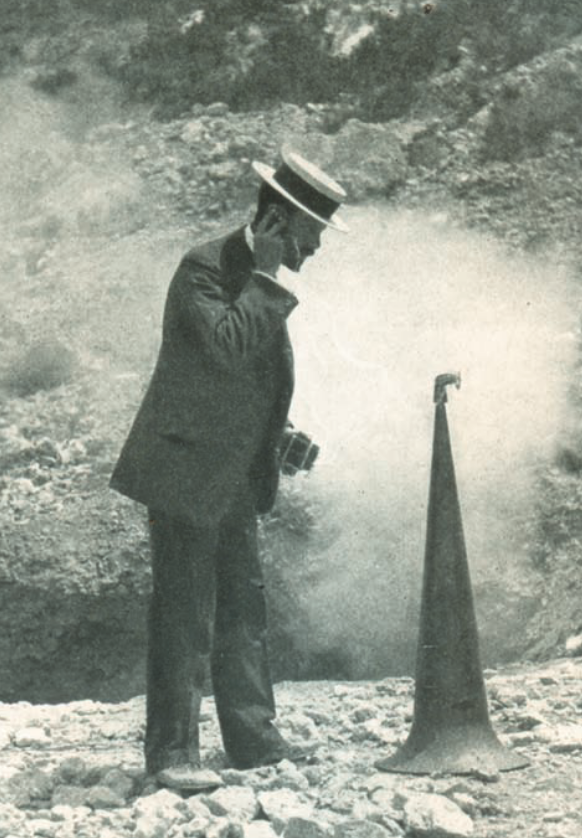
Perret with an improvised “seismometer” at the Campi Flegrei,

Perret with an improvised “seismometer” at the Campi Flegrei,

Lessons learned

  • Not one profile / path / career to rule them all
  • Importance of intuition - and modesty
  • Importance of observation → description → formulation → model development

Today’s state of volcanology

The state of the research

Over the past 25 years, our understanding of the physical processes that drive volcanic eruptions has increased enormously thanks to major advances in computational and analytical facilities, instrumentation, and collection of comprehensive observational, geophysical, geochemical, and petrological data sets associated with recent volcanic activity.

Cashman and Sparks (2013)
Persisting challenge

Volcanoes vary in:

  • morphology
  • evolution
  • eruptive styles
  • behaviors

As a consequence of the variety of:

  • tectonic settings
  • melt production rates
  • magma compositions
  • eruption conditions

National Academy of Sciences (2017)

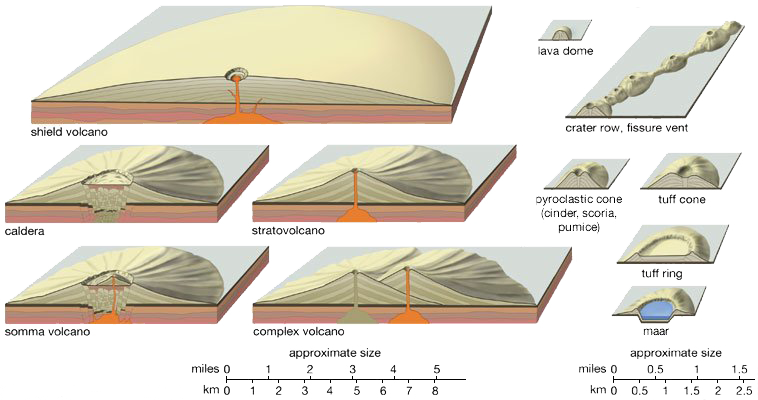
How do we classify volcanoes?

Encyclopaedia Britannica (2025)

Encyclopaedia Britannica (2025)

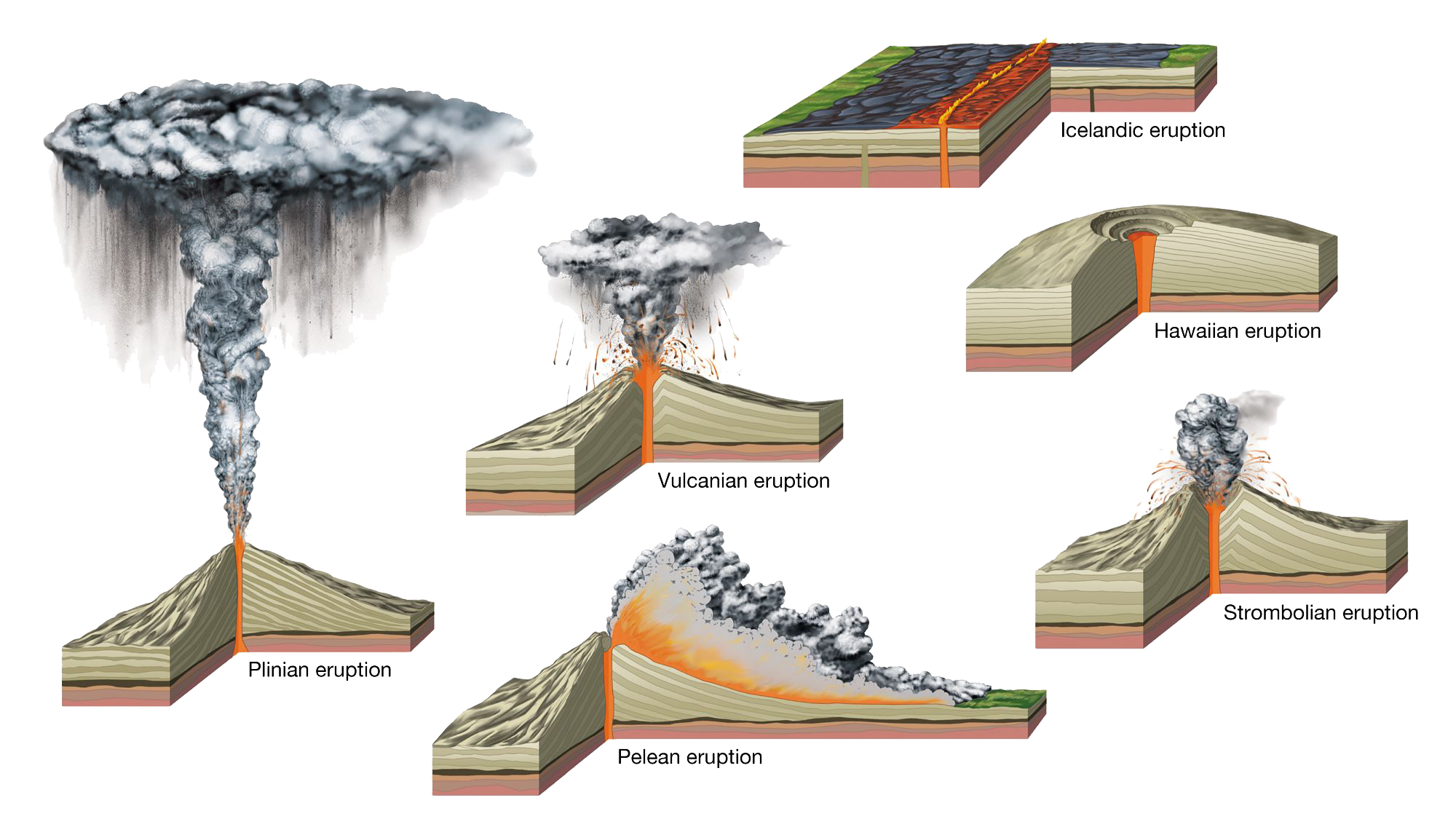
How do we classify eruptions?

Encyclopaedia Britannica (2025)

Encyclopaedia Britannica (2025)

Core question

How do volcanoes work?

  • How does magma form and move to the surface?
  • How do specific properties of the magma, and the lithosphere through which it moves, control eruptive activity?

How can we predict eruption start / intensity / style / duration?

  • Monitoring
  • Prediction of hazards

How can we mitigate impacts?

  • Hazard / vulnerability / risk analyses

Exercise: observe and describe

Apollo 15

Think like an early naturalist

  • You are witnessing an eruption in a remote area
  • You have no other way of recording your observations than a pen and a notebook
  • You need to record what you see in order for other people to visualise it
  • Try to be as descriptive and quantitative as possible - even if in relative terms
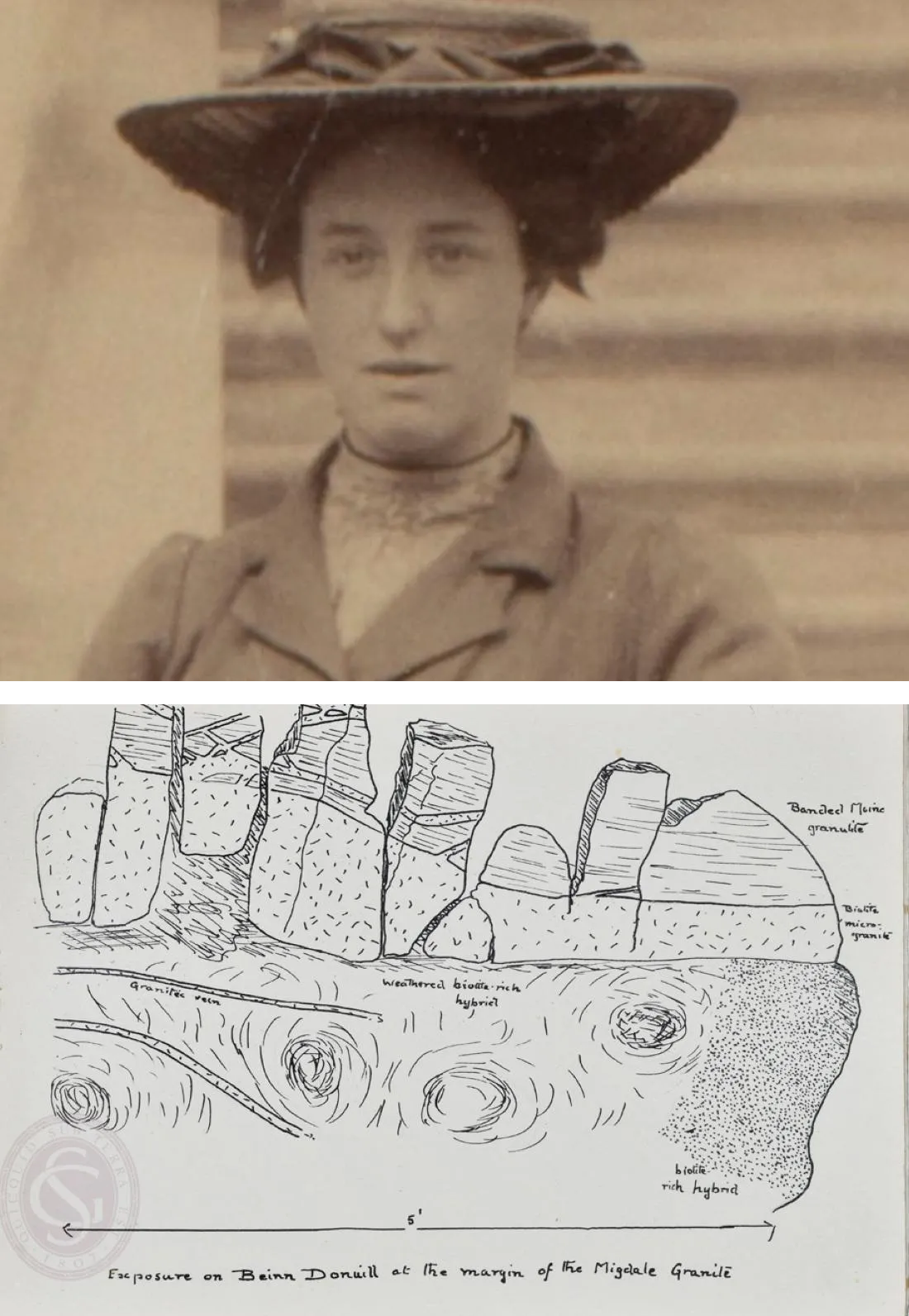
Ida Slater (1881–1969)

Ida Slater (1881–1969)

The exercise

  • By groups of 2 people, pick one of the following videos
  • Observe and describe what you see without interpretation
  • If you feel adventurous, attempt a sketch!
  • Based on these observations, formulate a theory on the drivers
  • Describe it back to the rest of the class
  • Watch only your video

Observe and describe

Describe the specific criteria of the phenomenon/phenomena you observe:

Criteria Description
Context Close or far? Entire eruption or zoom? Night or day? Point of view?
Nature Either precise (e.g., lava flow) or descriptive (e.g., “cloud”)
Shape Elongated, rounded, angular, irregular…
Size Big? Small? A mixture of both? All the same size?
Colour Dark? Light? Transparent? Opaque?
Velocity Slow? Fast? Accelerating? Decelerating?
Temporality Continuous? Interrupted?
Dynamics Steady? Pulsatory? Sustained? Non-sustained?

Explore the causes

Formulate a theory on what processes drives what you observe:

  • Descriptions → Physical quantities: Length, mass, time, temperature, any combination of these
  • Physical quantities → Forces & gradients: Gravity, density, acceleration, pressure, buoyancy
  • Forces → processes: Use a verb to describe how forces act over time/space

Newton discovers gravity

Newton discovers gravity

1888-90 eruption at Vulcano, Italy

Orazio Silvestri & Giuseppe Mercalli

The explosions follow one another with a certain regularity, often preceded by a dull subterranean murmur, which increases in intensity until it turns into a violent detonation, similar to the firing of heavy artillery.

A column of black, compact ash rises rapidly above the crater, briefly assuming a vertical form, then spreading and partly collapsing back onto the slopes of the cone.

Blocks of considerable size, some of them still incandescent, are hurled out of the crater with great violence, describing wide trajectories before falling back at a notable distance.

The ash is extremely fine, sometimes hot at the moment of deposition, and settles forming a light but continuous layer in the immediate surroundings of the crater

Vulcano

1914 Taisho eruption of Sakurajima, Japan

Fusakichi Omori

The first outbreak took place from the west side of the island at a point 400 m. high directly above the village of Yokoyama, and was followed about 10 minutes later by an outburst from the southern shoulder of Nabeyama on the southeastern slope of the island. From the western vent, dense black smoke traversed by lightning was thrown up to a height of about 6,000 m. and thick showers of lava fragments and blocks were observed with tails of steam and gases.

In the afternoon, the whole island was enveloped in smoke, the eruption becoming more and more intense with terrible detonations. After a strong earthquake, which occurred at half-past six o’clock, the explosive phase became markedly stronger and reached its climax at midnight on the 12th. On this occasion, a local hurricane blew causing some damage in the neighborhood of Yokoyama.

Taisho

Videos

Link Eruption
Video 1 Halemaʻumaʻu Episode 38, Dec 6 2018 (Hawaii, USA)
Video 2 Eyjafjallajökull 2010 (Iceland)
Video 3 Krakatau 2018 (Sunda Strait, Indonesia)
Video 4 La Palma, Sep 30 2021 (Spain)
Video 5 Lower East Rift Zone, Fissure 10, May 23 2018, (Hawaii, USA)
Video 6 Lower East Rift Zone, May 7 2018 (Hawaii, USA)
Video 7 Lower East Rift Zone, Fissure 20, May 6 2018 (Hawaii, USA)
Video 8 Puʻu ʻŌʻō, 1990’s (Hawaii, USA)
Video 9 Tavurvur volcano, Aug 29 2014 (Papua New Guinea)

Video 1

Video 2

Video 3

Video 4

Video 5

Video 6

Video 7

Video 8

Video 9

References

Bibliography

Birch F (1952) Elasticity and constitution of the Earth’s interior. Journal of Geophysical Research 57:227–286. https://doi.org/10.1029/JZ057i002p00227
Cashman K, Sparks R (2013) How volcanoes work: A 25 year perspective. Geological Society of America Bulletin
Chazot G, Lénat J-F, Maury RC, et al (2017) Volcanologie. De Boeck Supérieur, Louvain-la-Neuve Paris
Detay M (2017) Traité de volcanologie physique, 2nd edn. Lavoisier, Paris
Encyclopaedia Britannica (2025) Volcano
Hamilton CW, Scheidt SP, Sori MM, et al (2020) Lava-Rise Plateaus and Inflation Pits in the McCartys Lava Flow Field, New Mexico: An Analog for Pāhoehoe-Like Lava Flows on Planetary Surfaces. Journal of Geophysical Research: Planets 125:e2019JE005975. https://doi.org/10.1029/2019JE005975
Hess HH (1946) Drowned ancient islands of the Pacific Basin. American Journal of Science 244:772–791. https://doi.org/10.2475/ajs.244.11.772
Lockwood JP, Hazlett RW, de la Cruz-Reyna S (2022) Volcanoes: Global perspectives, 2nd edn. Wiley-Blackwell
National Academy of Sciences (2017) Volcanic Eruptions and Their Repose, Unrest, Precursors, and Timing
Sigurdsson H, Houghton B, McNutt S, et al (eds) (2015) The encyclopedia of volcanoes, 2nd edn. Academic Press / Elsevier, London, United Kingdom
UNDRR (2025) Global assessment report on disaster risk reduction 2025. UNDRR

Video credits

Link Eruption
Video 1 Halemaʻumaʻu Episode 38, Dec 6 2018 (Hawaii, USA), Credit USGS
Video 2 Eyjafjallajökull 2010 (Iceland) - M. Rosi personal communication
Video 3 Krakatau 2018 (Sunda Strait, Indonesia)
Video 4 La Palma, Sep 30 2021 (Spain)
Video 5 Lower East Rift Zone, Fissure 10, May 23 2018, (Hawaii, USA)
Video 6 Lower East Rift Zone, May 7 2018 (Hawaii, USA)
Video 7 Lower East Rift Zone, Fissure 20, May 6 2018 (Hawaii, USA)
Video 8 Puʻu ʻŌʻō, 1990’s (Hawaii, USA), Credit Ken Hon
Video 9 Tavurvur volcano on August 29th, 2014. Captured by Phil McNamara.