How and where does magma form?
Class 2 - From rock to mush to magma

Group of physical volcanology and geological risk - 1st floor
February 23, 2026
The source
- Debate between liquid (→eclogite) and solid (→peridotite) source
- In the 50’s:
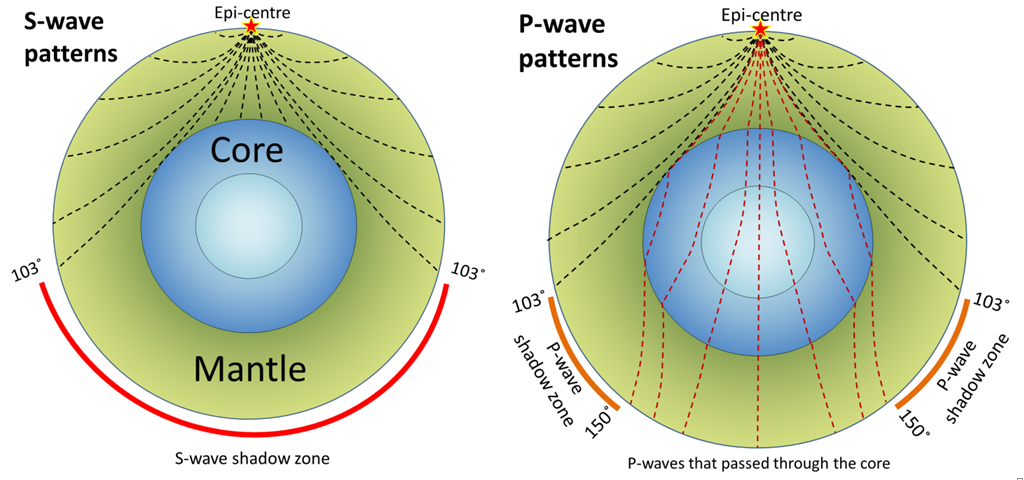
- Seismology
- S-wave through mantle → must be solid
- Velocity profiles → elastic properties
- Petrology
- Basalts can be produced by partial melting of peridotite
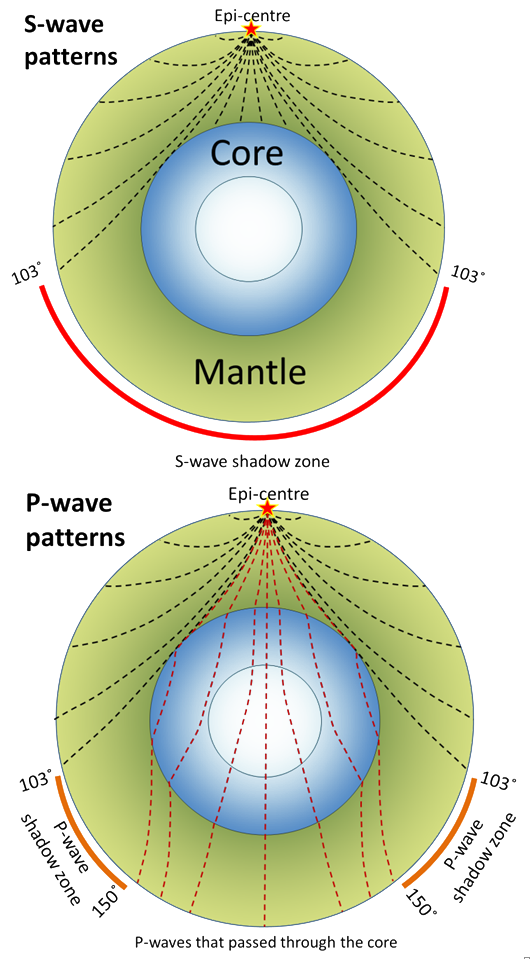
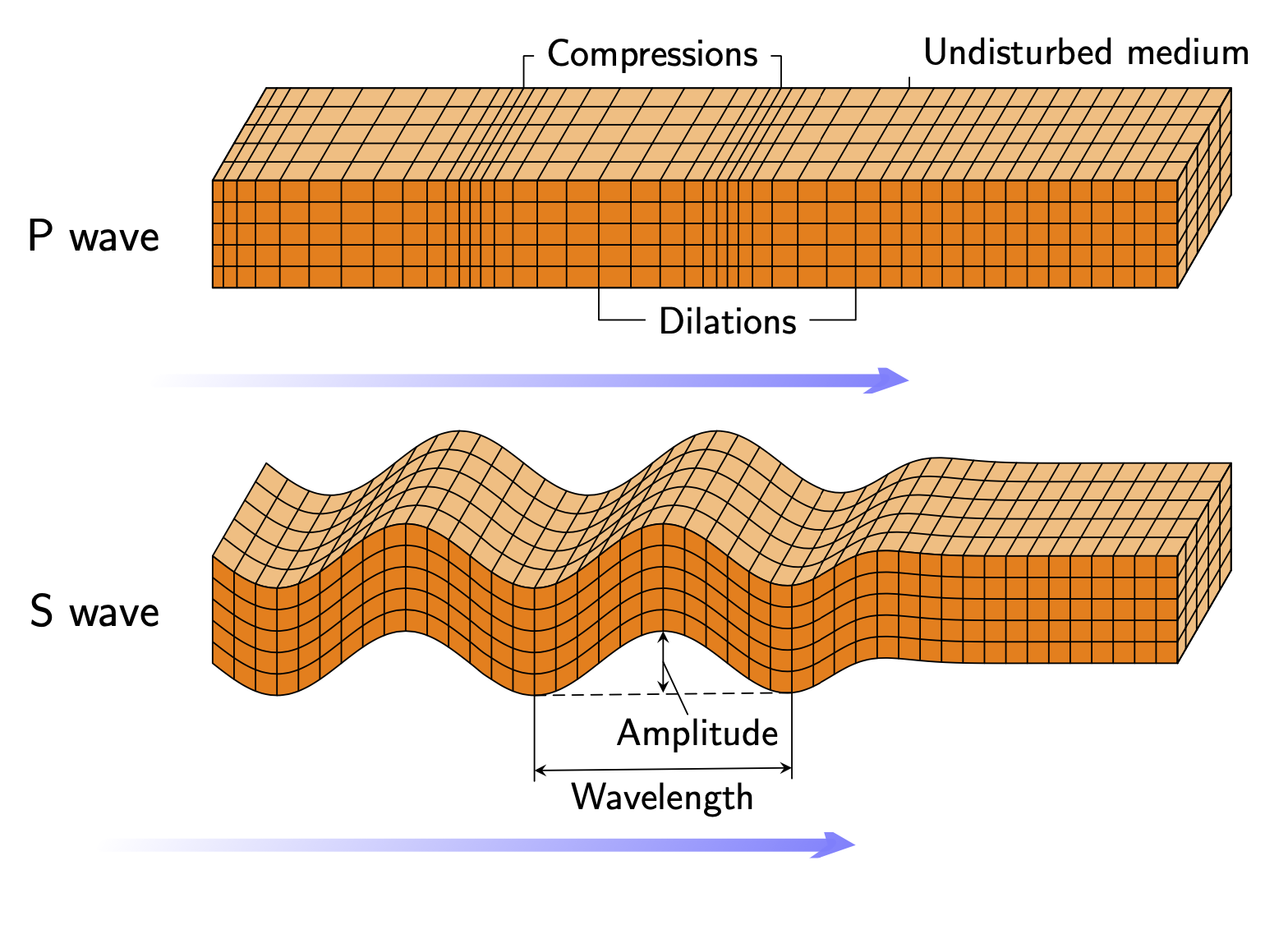
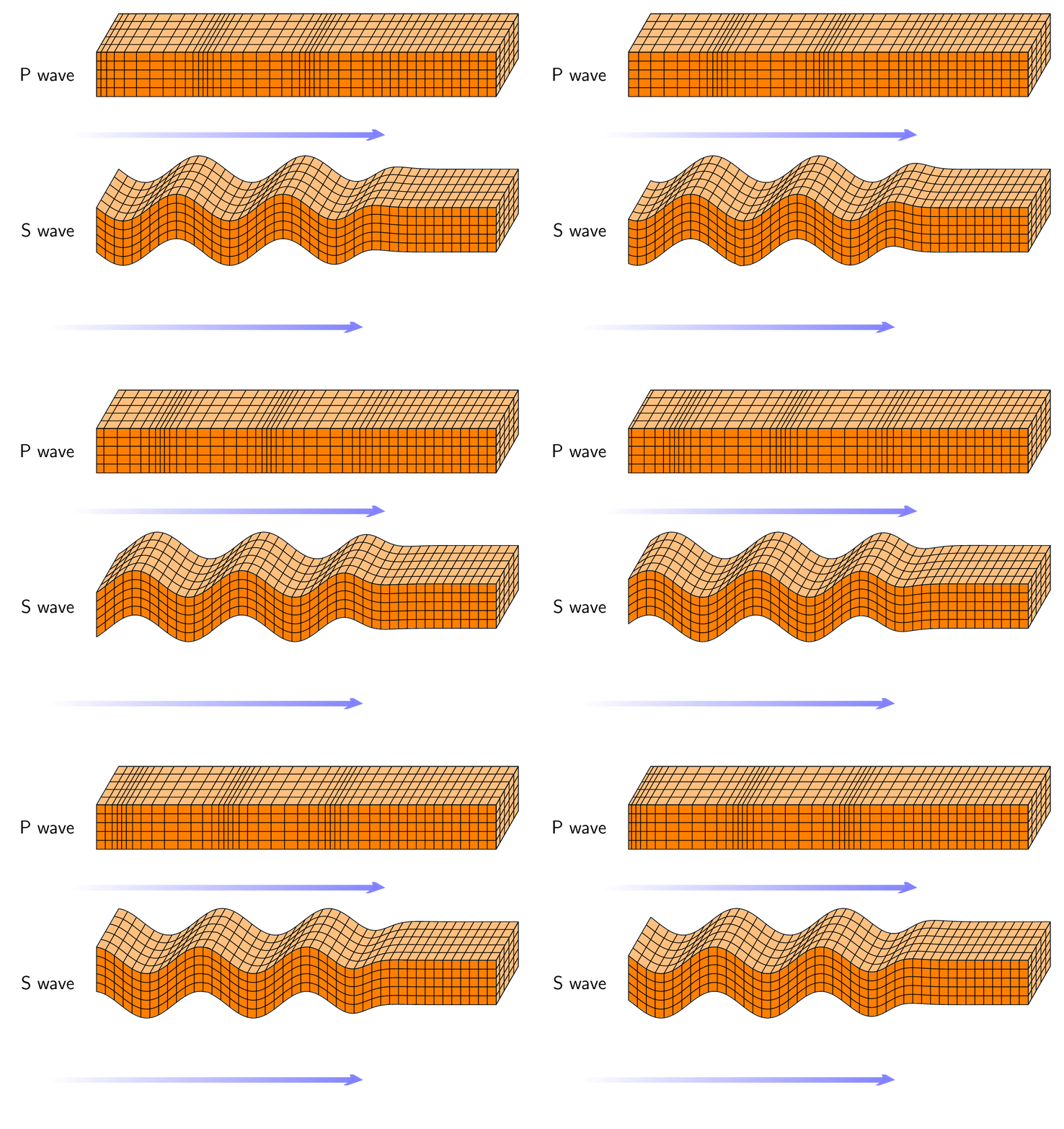
Reminder: Seismic waves
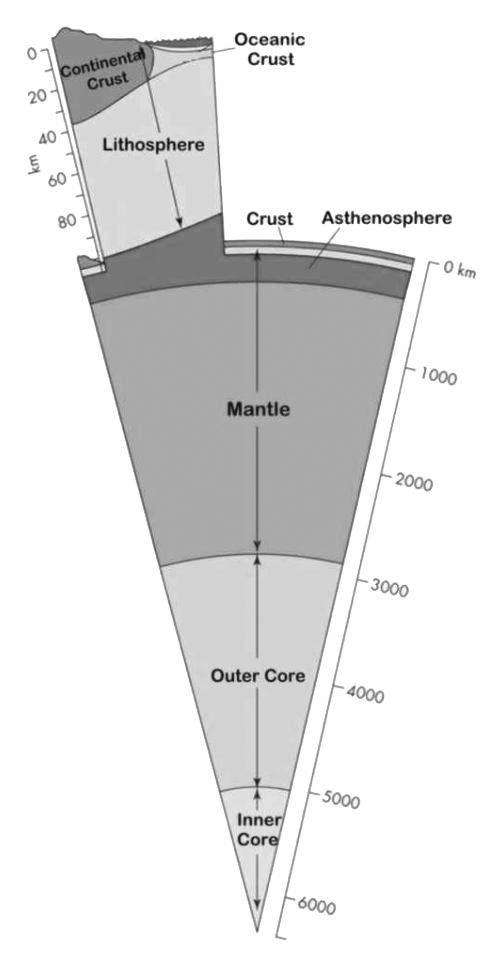
The layered structure
| Masse (kg) | % | |
|---|---|---|
| Croûte continentale | 1.38 x 10²² | 0.23 |
| Croûte océanique | 0.69 x 10²² | 0.11 |
| Manteau | 398 x 1022 | 66.6 |
| Noyau | 197 x 1022 | 32.9 |
| Total | 5.97 x 1024 |
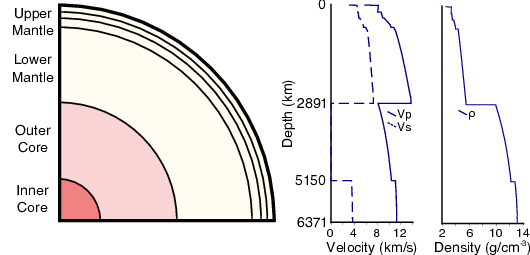
Classification and limits based on
- Composition
- Mineralogical phases
- Rheology
- Seismic behviours
Structure of the Earth: Crust
| Oceanic crust | Continental crust | |
|---|---|---|
| Thickness | 6–7 km | 30–70 km |
| Density | ~2.9–3.0 g·cm⁻³ | ~2.7 g·cm⁻³ |
| Composition | Mafic | Felsic to intermediate |
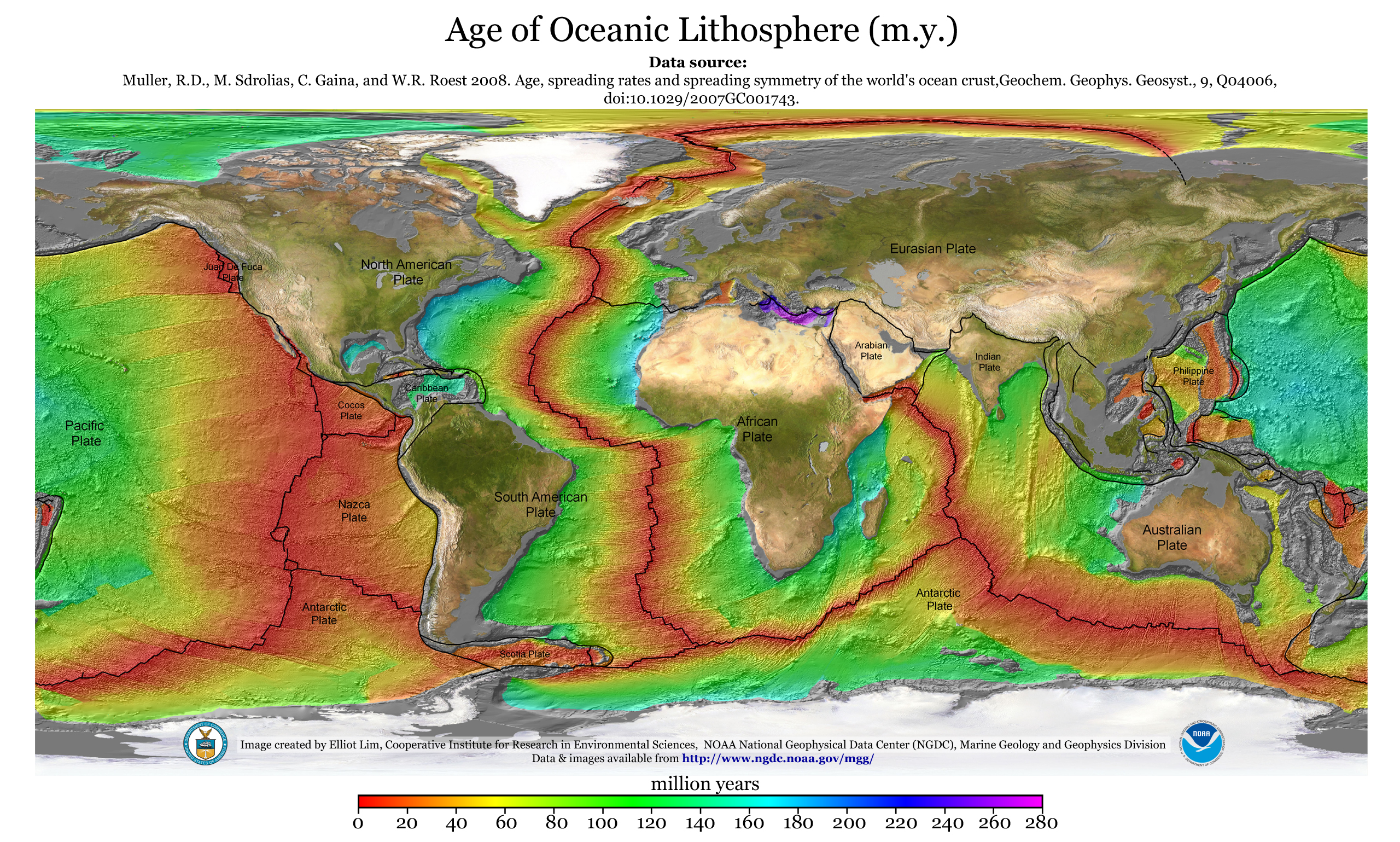
| Age range | 0–200 Ma | Up to ~4 Ga |
| Recycling | Easily subducted | Rarely subducted |
→ The Mohorovičić discontinuity - or Moho:
- Region in the lithosphere defined by distinct changes in velocities of seismic waves
- Depth: Ocean floors: 5-10 km - Continental crust: 20-90 km
Structure of the Earth: Upper mantle
- Lithosphere: Rigid part of crust + upper mantle (10-280 km thick)
- Long term → Ductile deformation
- Short term → Brittle failure
- = Plate tectonics → earthquakes
- Astenosphere: Upper part of upper mantle below lithosphere (100-700 km thick)
- Deeper → warmer
- Ductile deformation though solid
- Acts as a viscous fluid over long timescales
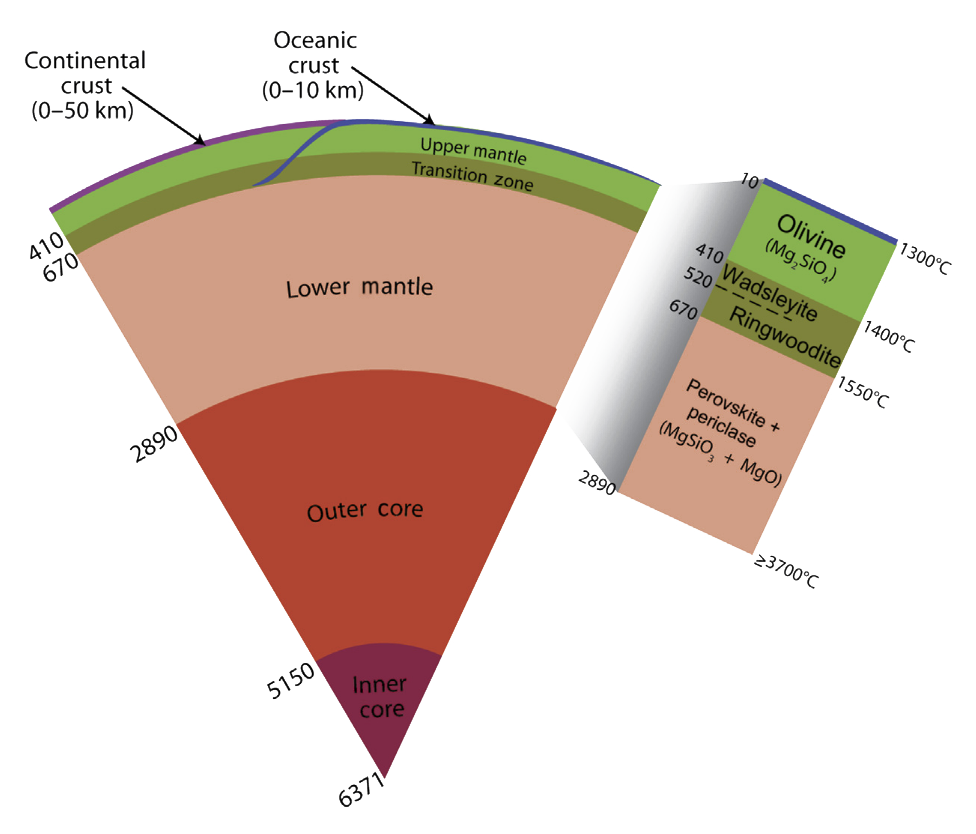
Structure of the Earth: Mantle
- Compositional layer
- ± solid but can flow
- Different rheologies
- Upper mantle → 410 km deep
- Directly sampled!
- Transition zone → 670 km deep
- Mineralogical phase boundary
- Lower mantle → 2890 km deep
Melting the source: Peridotite
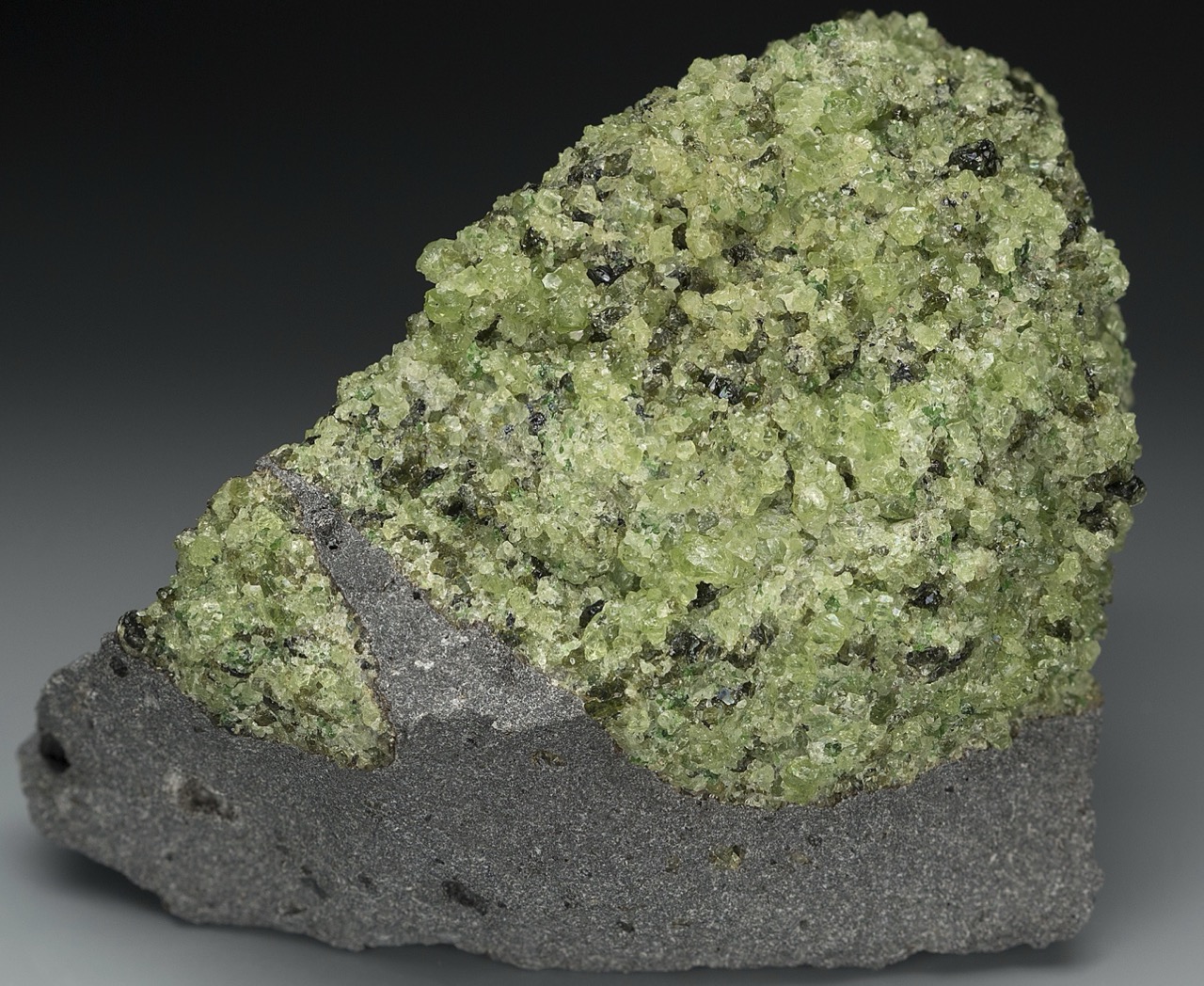
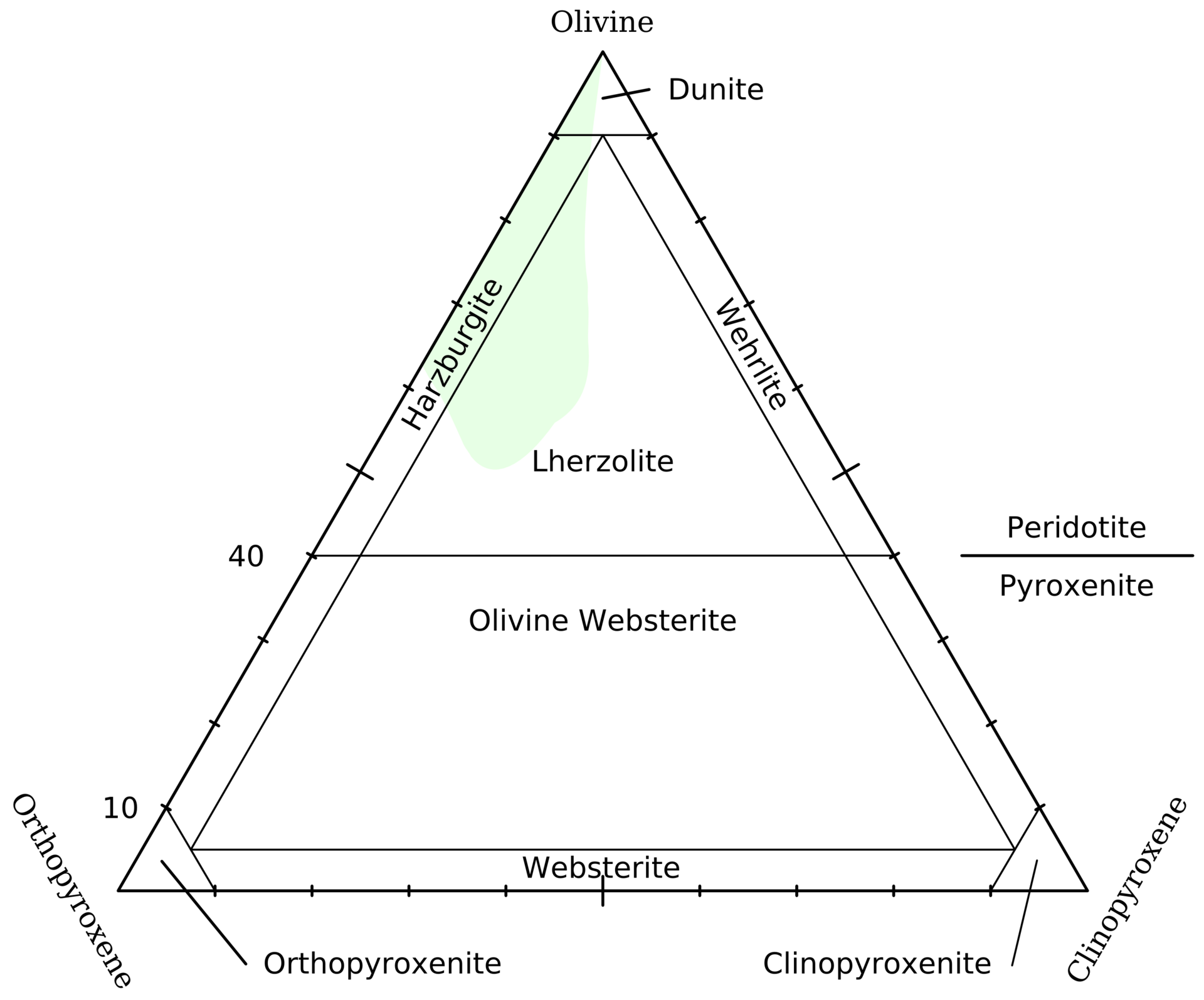
Dense, coarse-grained ultramafic igneous rock composed primarily of olivine, with lesser amounts of pyroxene. It forms in the upper mantle and is high in magnesium and iron, containing less than (45%) silica
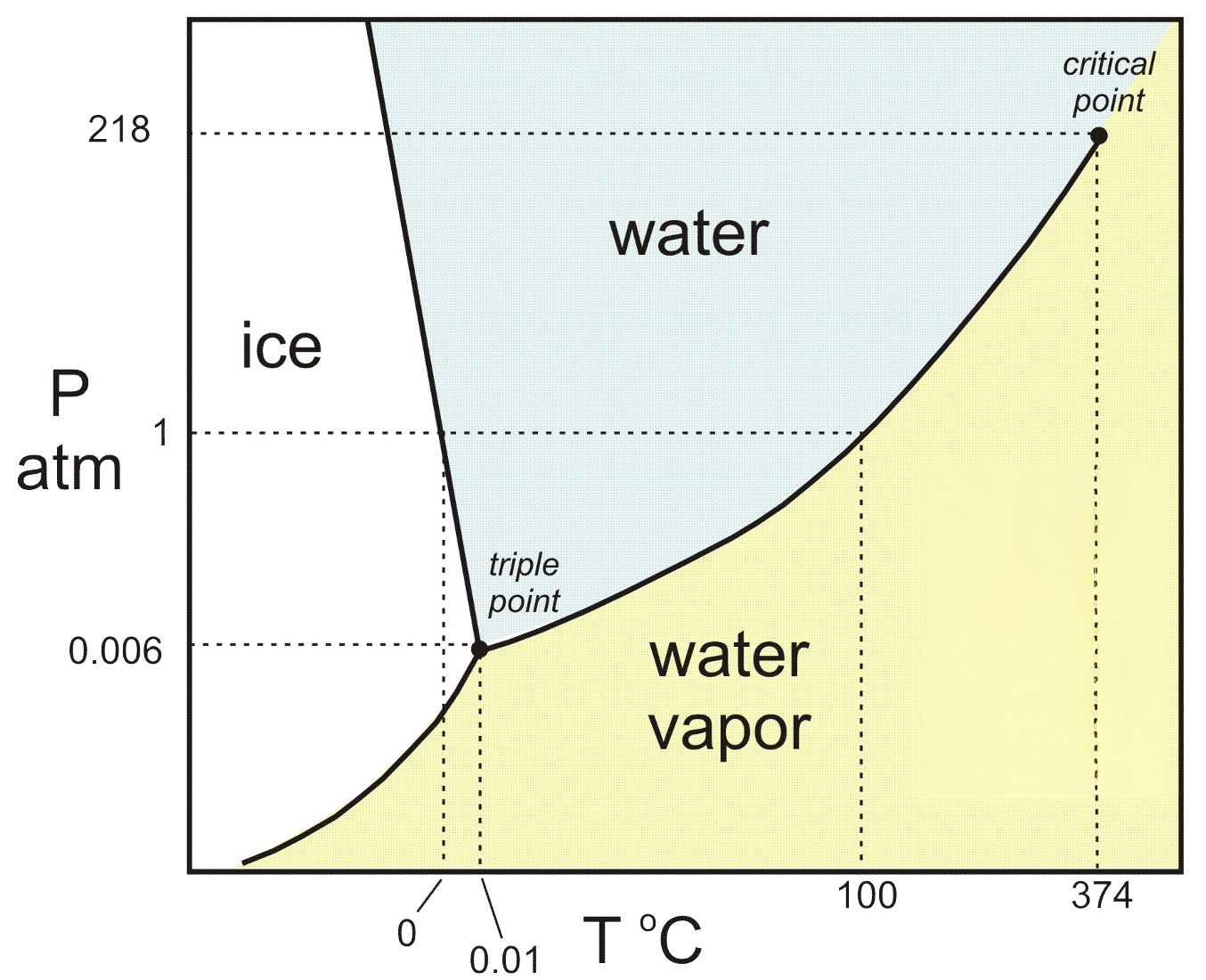
Simple fluids → water
- One phase / composition
- One melting curve (solid–liquid equilibrium)
Key features:
- Sharp phase boundaries
- No temperature interval of partial melting
- Solid ↔︎ liquid transition occurs at a single T for a given P
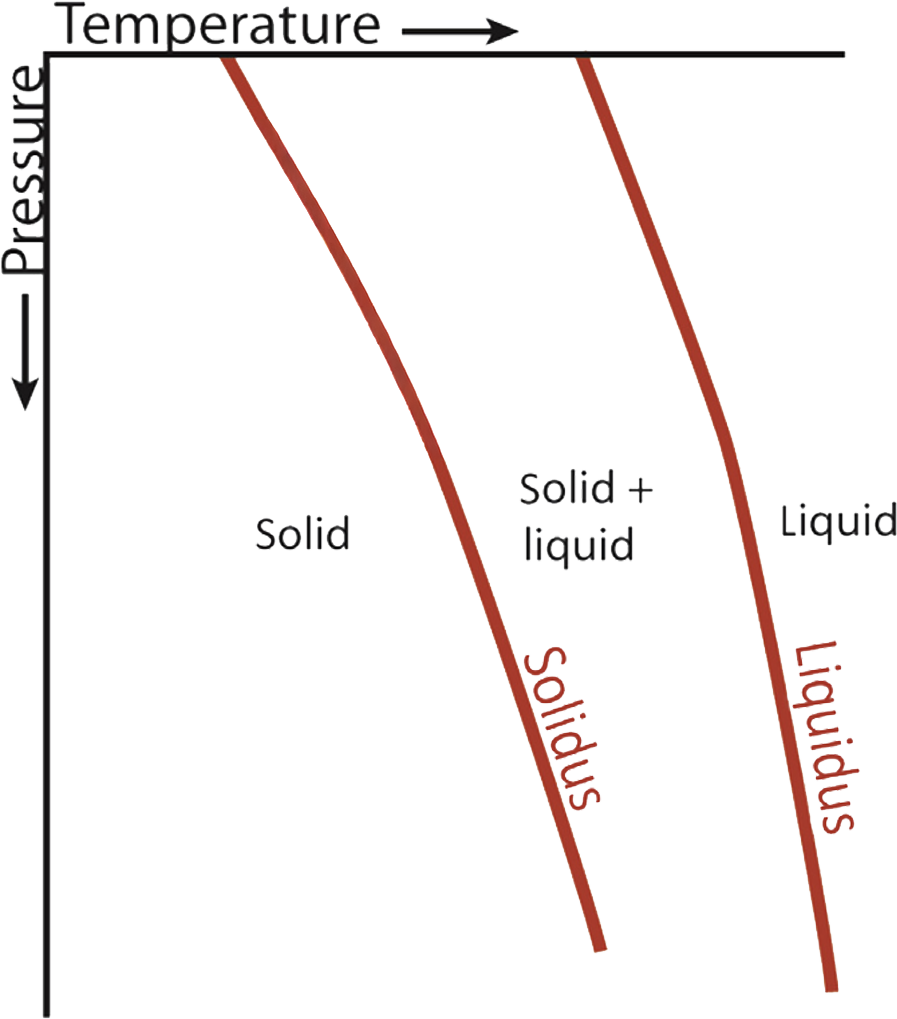
Complex fluids → magma
- Several phases / compositions
- Different minerals melt at different temperatures
- Melting → temperature interval
Key features:
- Solidus = temperature where first melt appears
- Liquidus = temperature where last crystal disappears
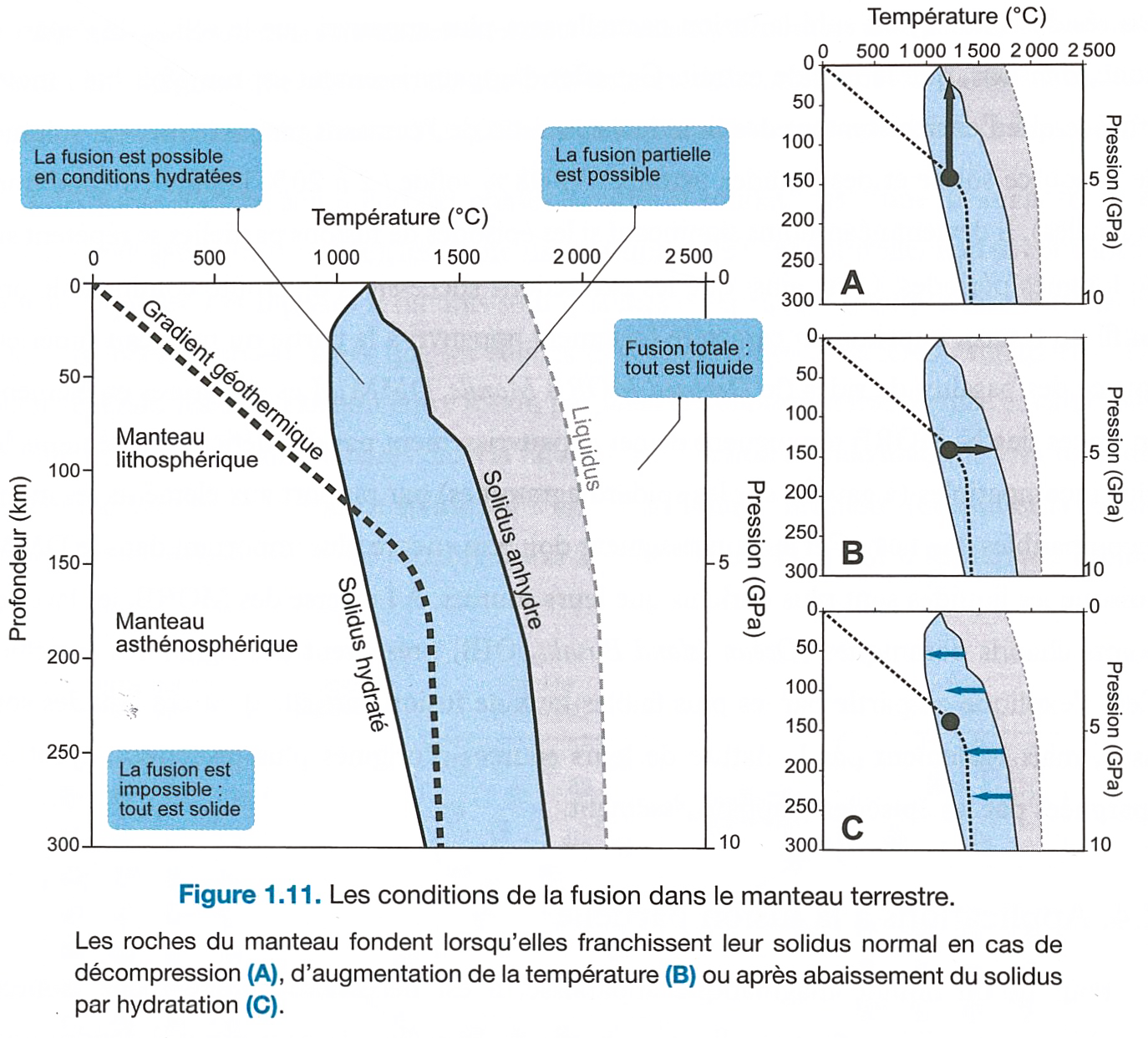
Peridotite solidus vs geotherm
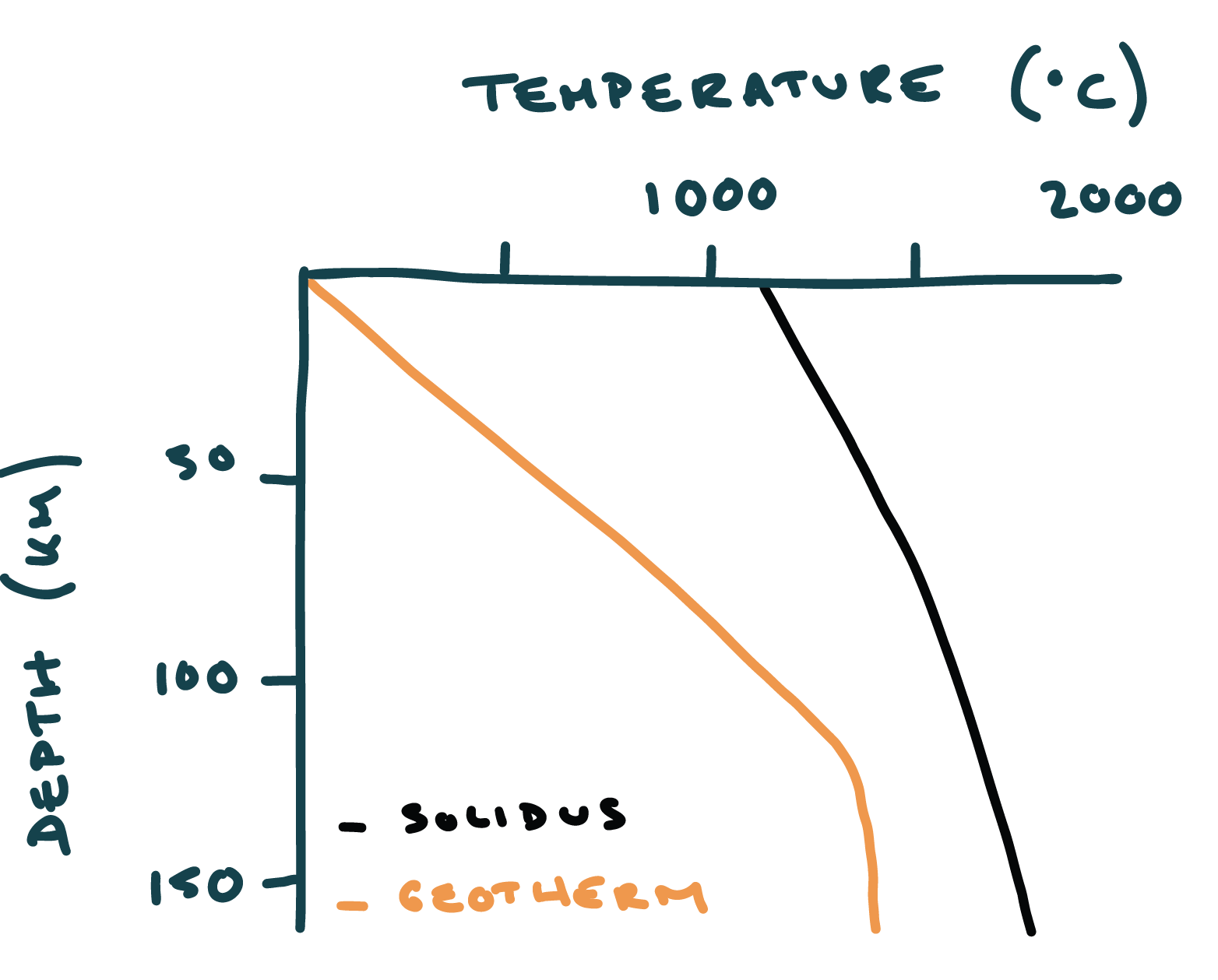
Melting it happen through…
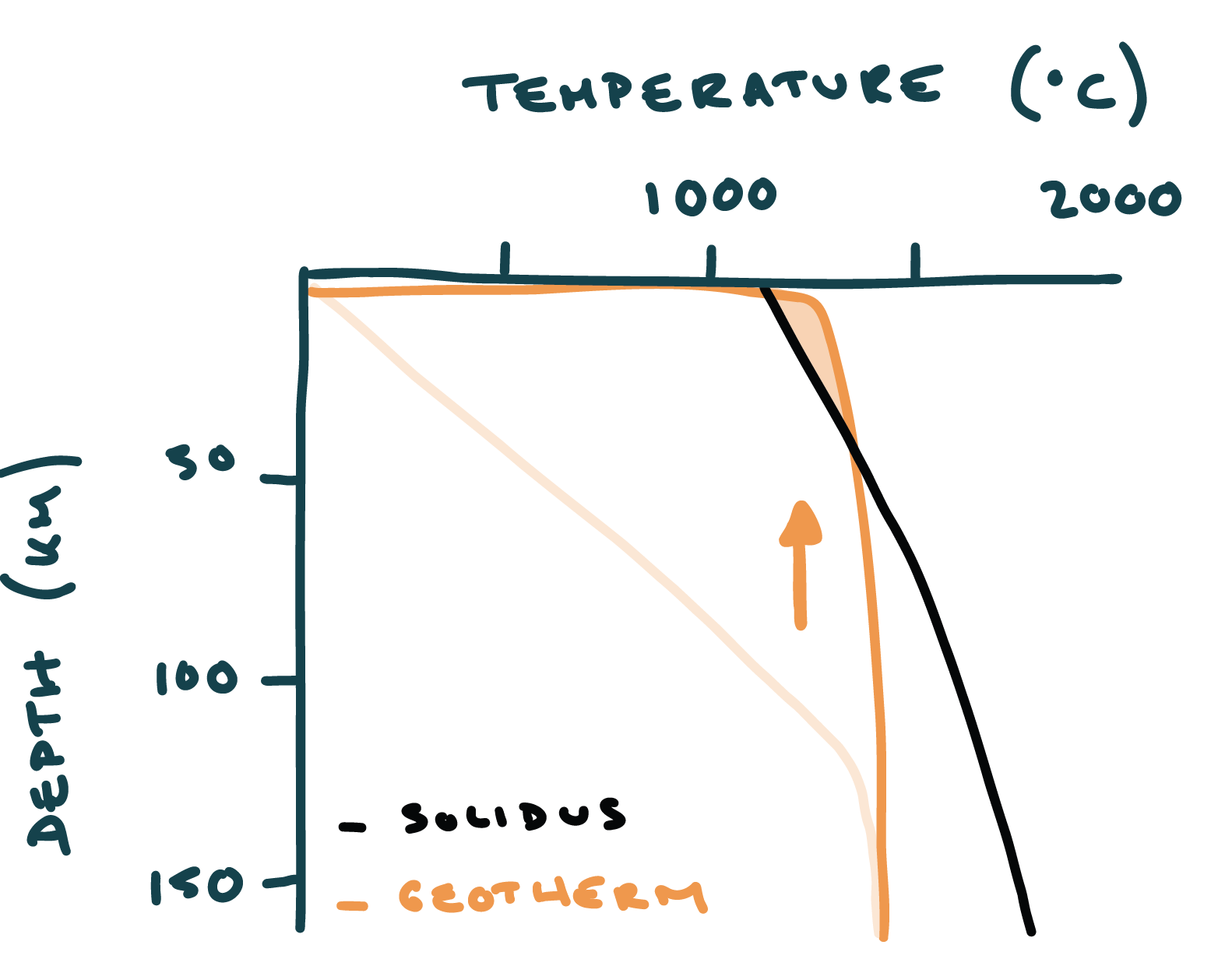
→ Shift geotherm upwards
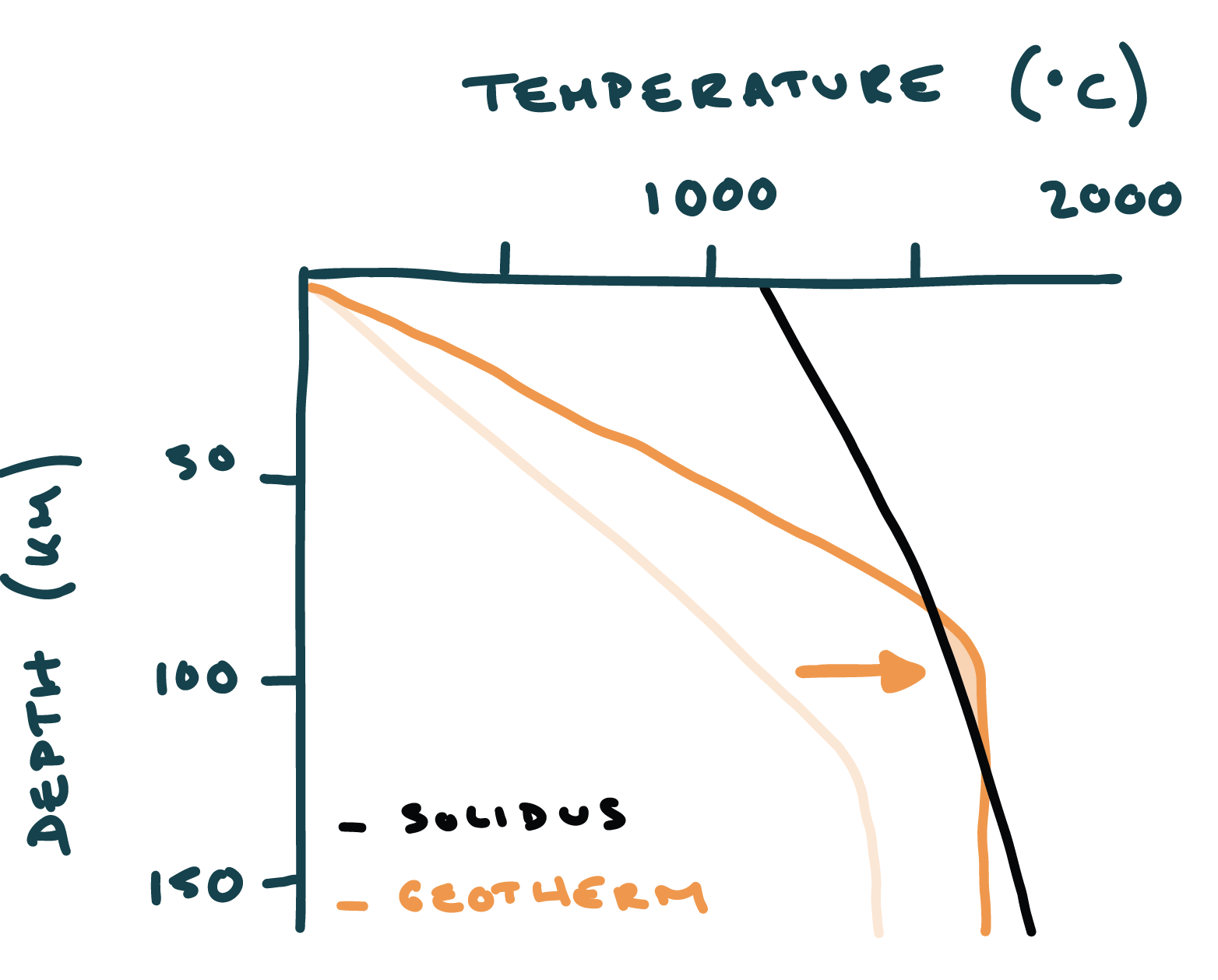
→ Shift geotherm to the right
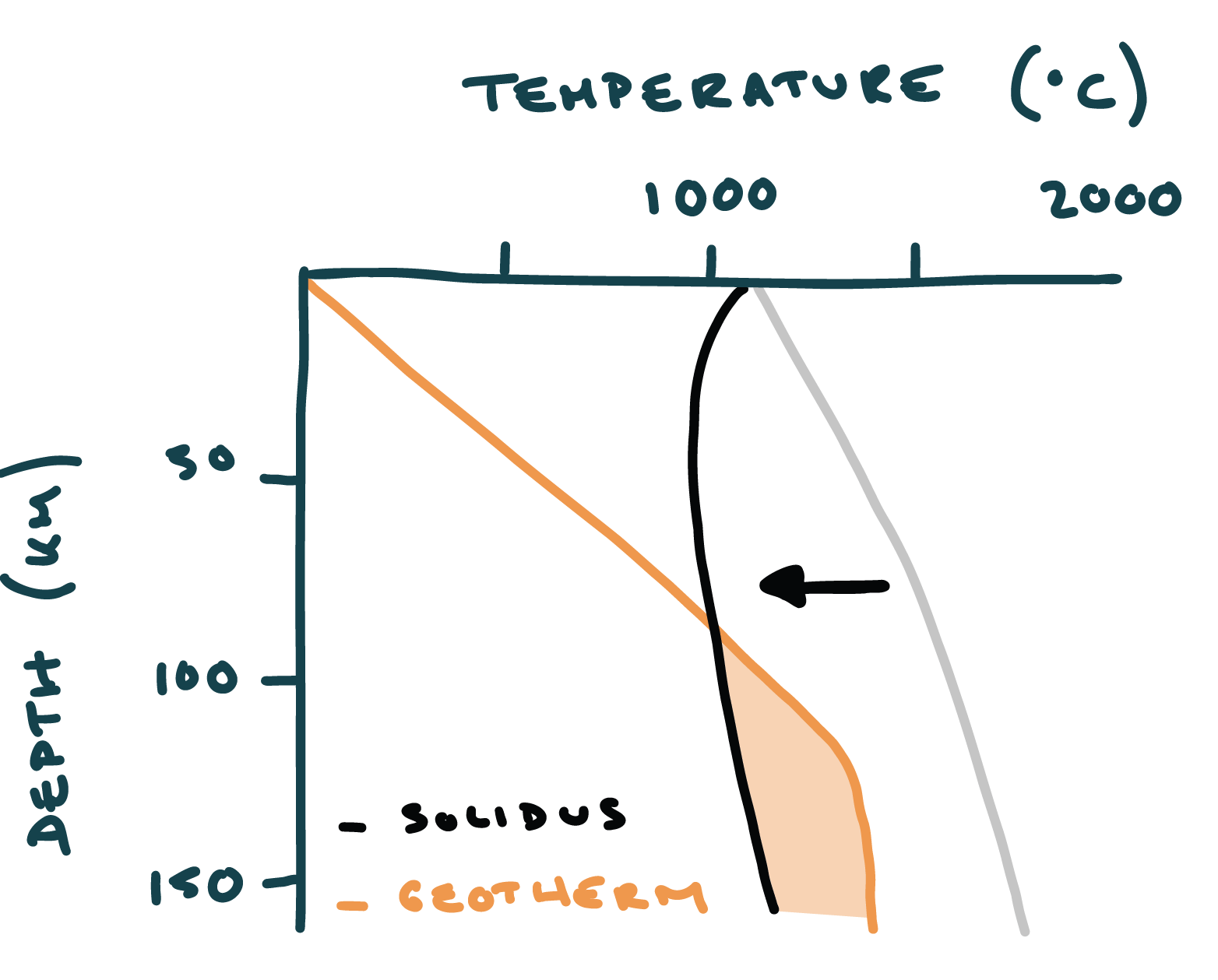
→ Decrease solidus
Decompression
Increased T°C
Hydratation
Broad geodynamic contexts
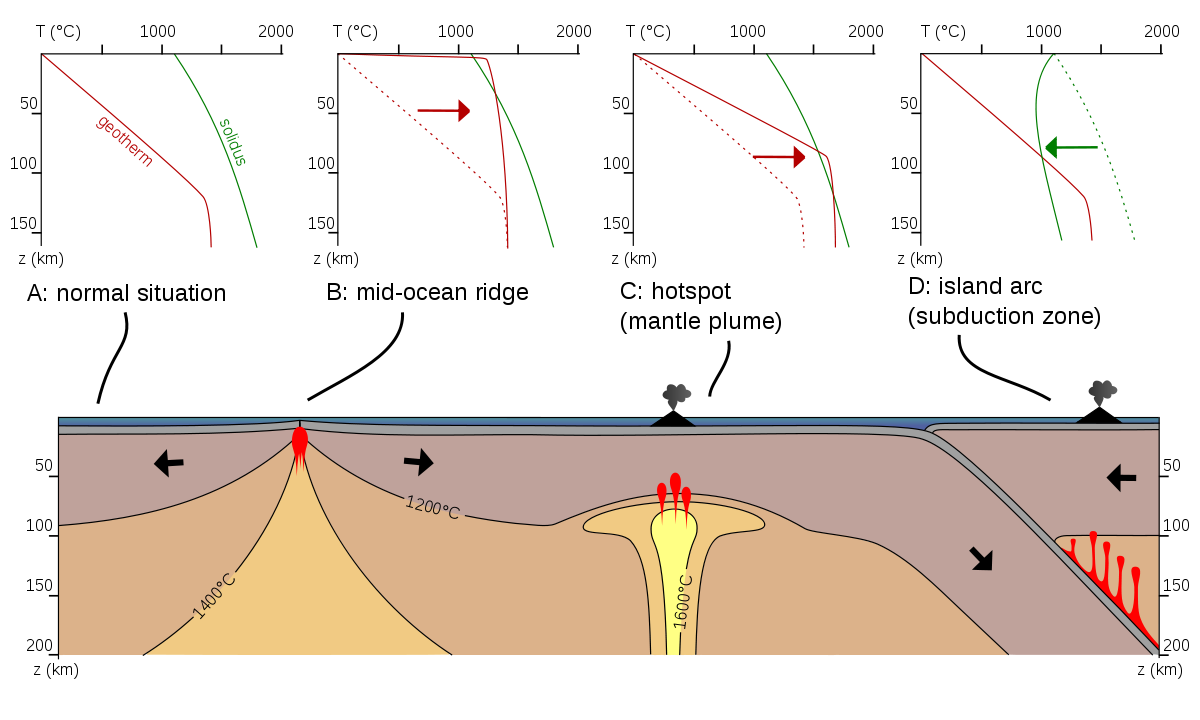
Fusion conditions: Mantle
- Liquidus is never reached
- Fusion is always partial
- Partial melting
- 2-20% extracted from solid matrix
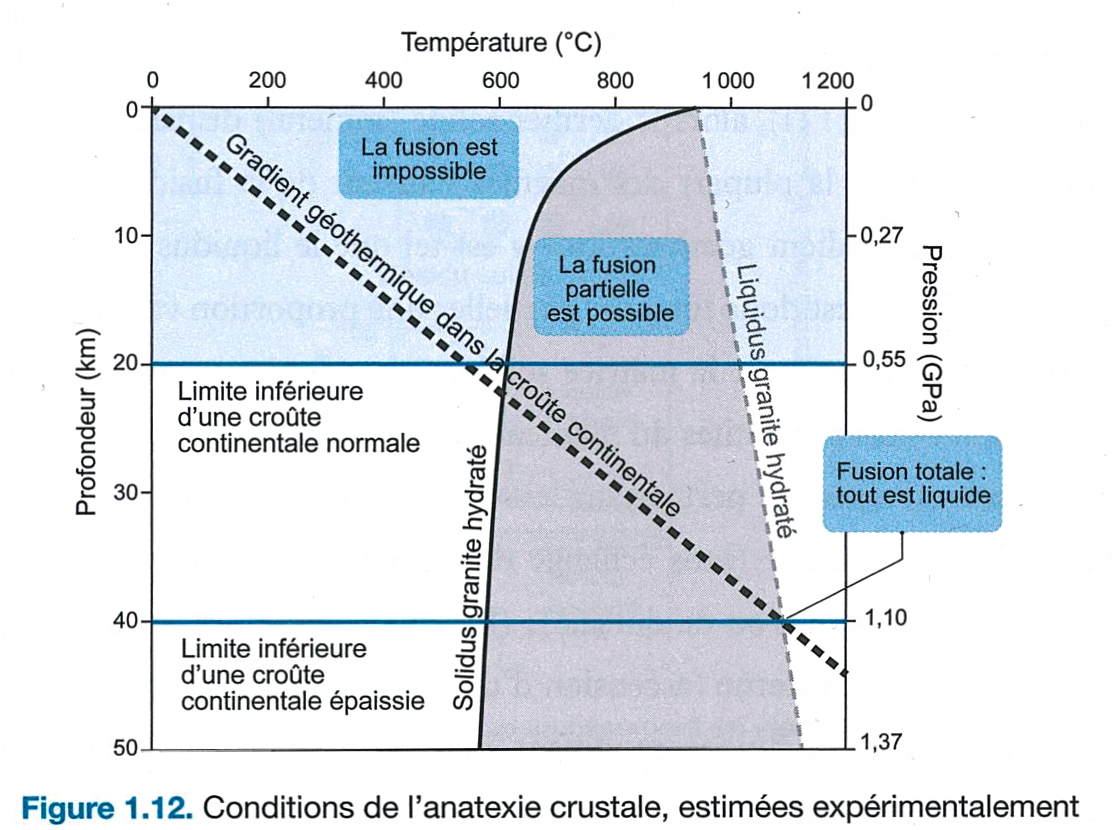
Fusion conditions: Crust
- Crustal anaxtesis
- Thickening of continental crust
- Intrusion
- 100% melting possible (though rare)
Melting initiation
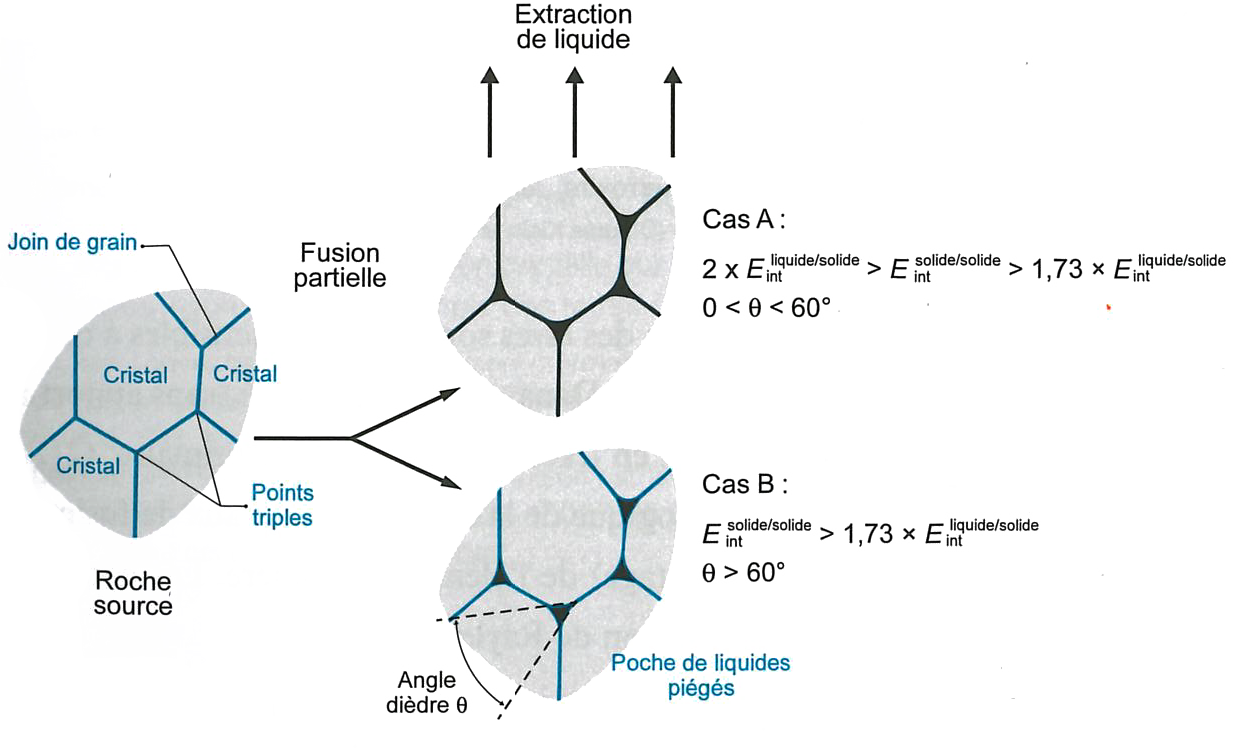
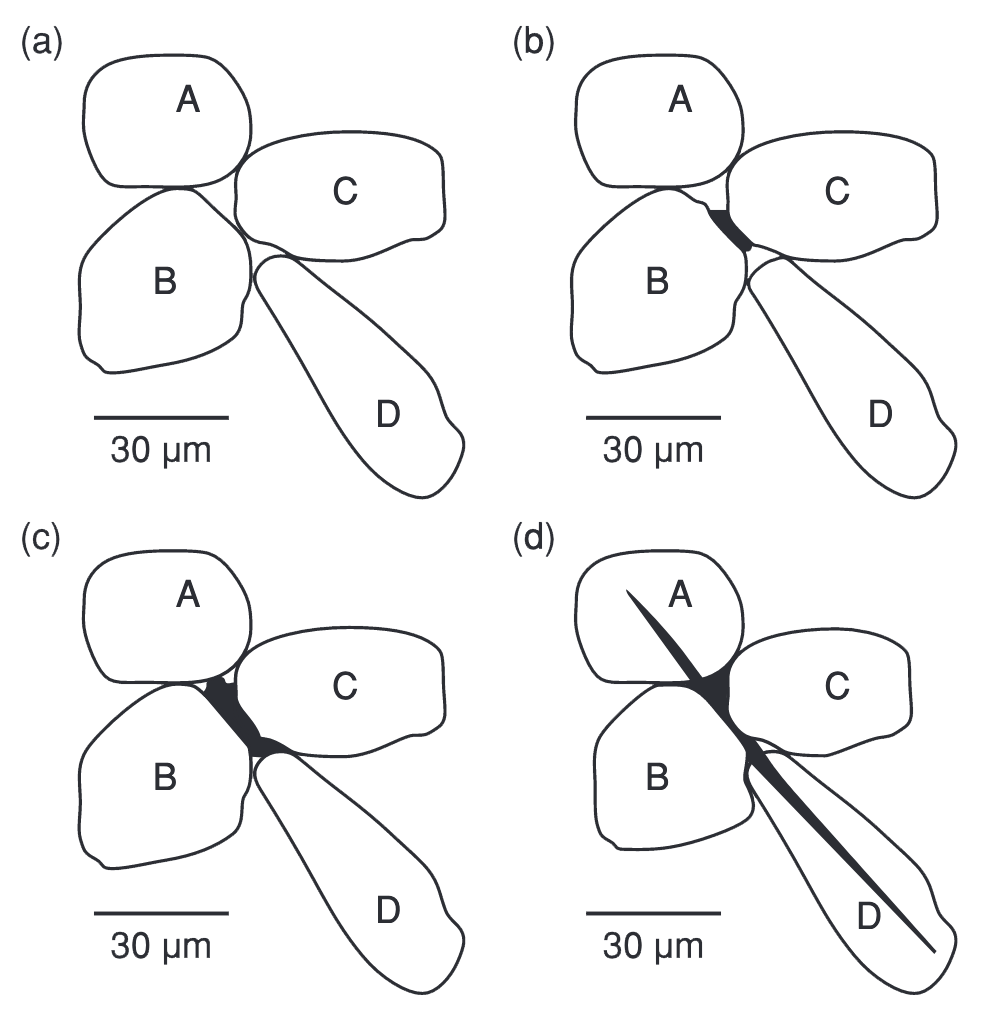
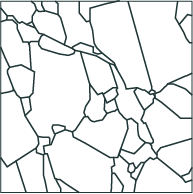
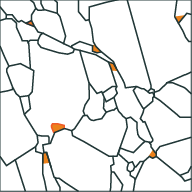
- Melt starts accumulating at triple junctions
- Lithostatic + pore pressure → stress → crack → vein
How does the melt escape the matrix?
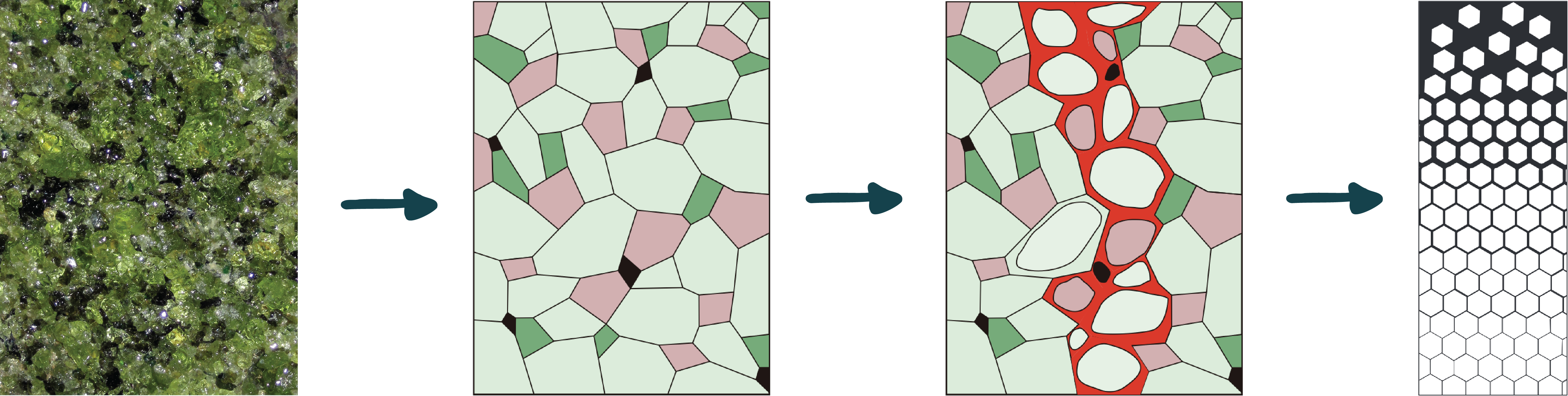
Darcy’s law: \(q = \frac{K}{\eta} \frac{dP}{dx}\)
\(q\): flux of melt volume of melt per unit time passing a unit cross-sectional area perpendicular to the flow direction
Under pression/temperature conditions in the upper mantle, melts have lower densities than solid.
Formulate an intuition-based model!
Using Darcy’s law as a framework, use your intuition to identify what quantity/physical processes
- drive the melt to escape?
- allow the melt to escape?
- prevent the melt from escaping?
Melting the rock
Rock:
- Subsolidus: No melt
- Supersolidus: Unconnected melt pockets
Melt connectivity transition:
- Gabbro: ~ 1% melt
- Granite: ~7% melt
From melt to mush
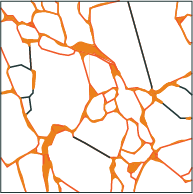
Melt → Mush:
- Large reduction in effective viscosity and strength
- Rheology controlled by crystalline network
Mush-magma transition:
- Typically 30–50% melt
- Depends on crystal size distribution and shape, and shear rate

From mush to magma
Mush → Magma: Large reduction in effective viscosity and strength
- Rheology controlled by melt
- Mush: Non-eruptible
- Magma: Eruptible


The Earth machine
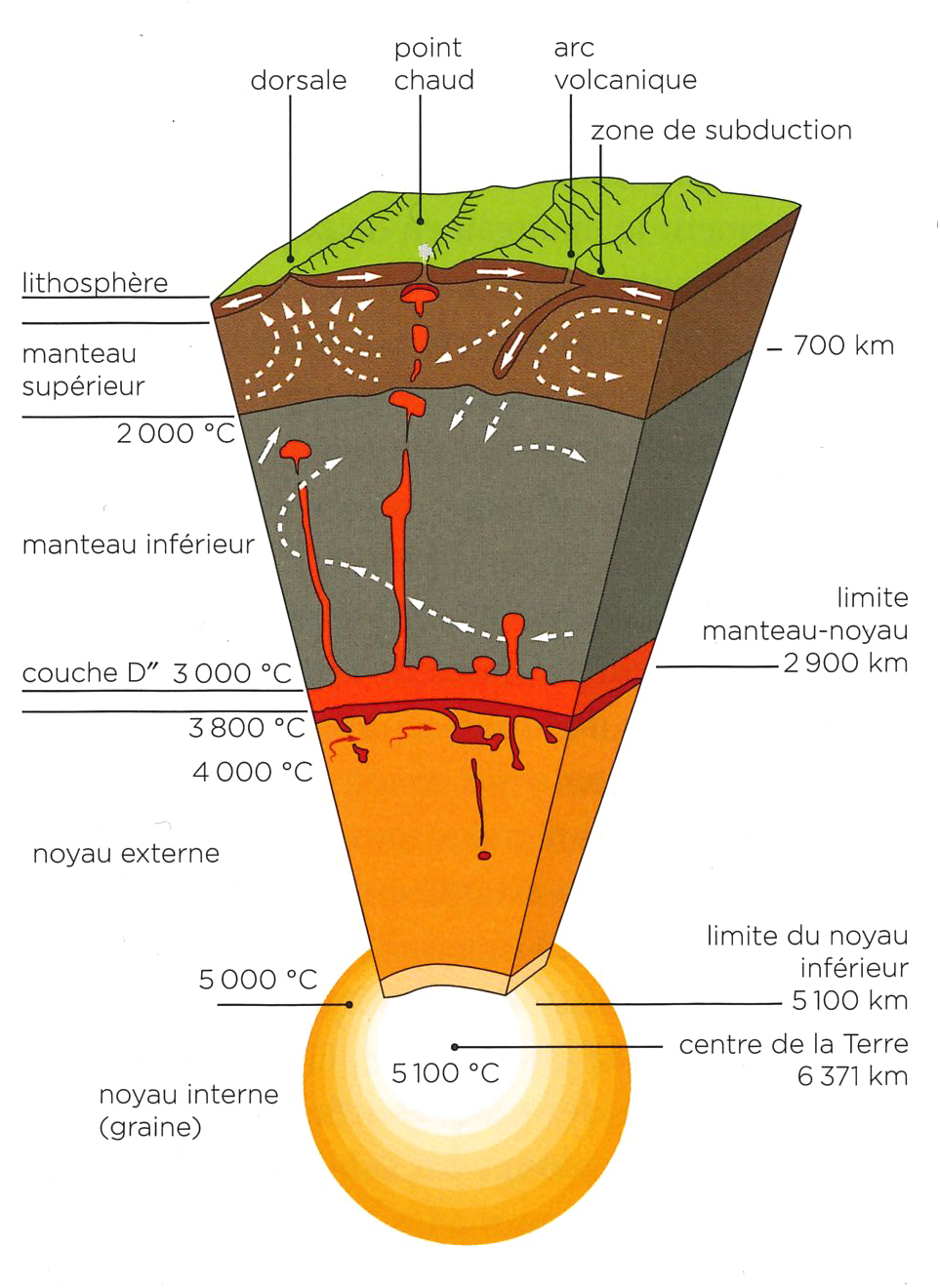
Mantle convection
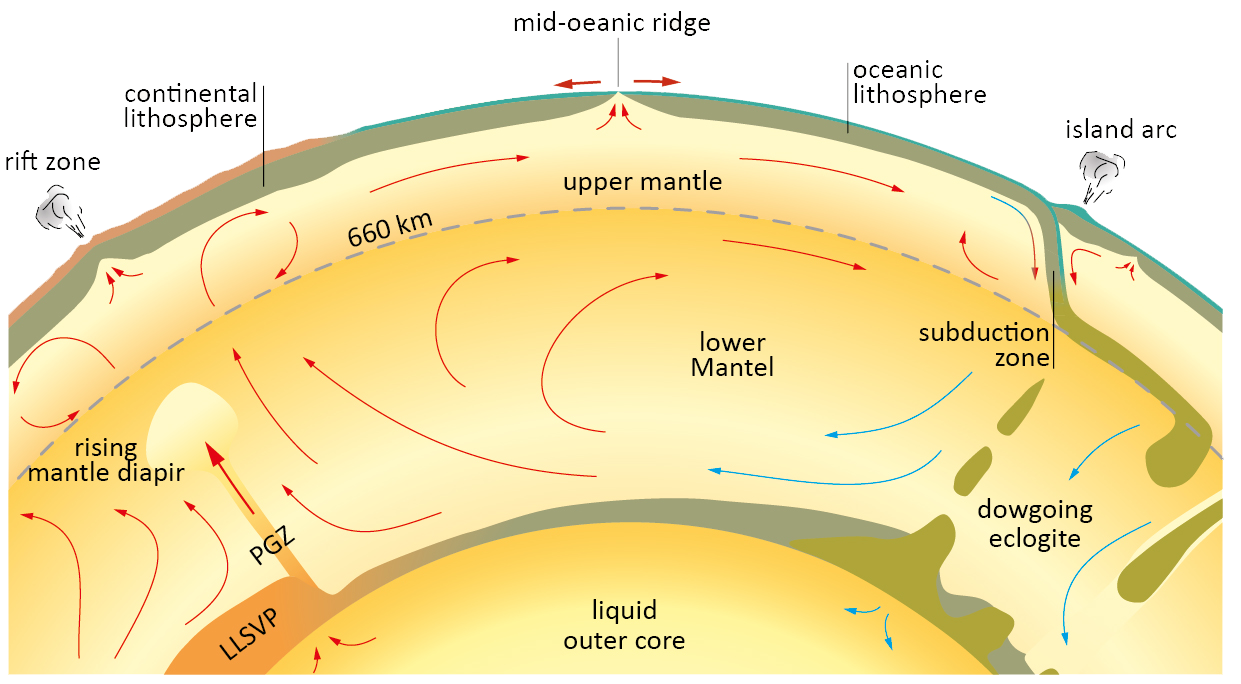
Plate tectonics
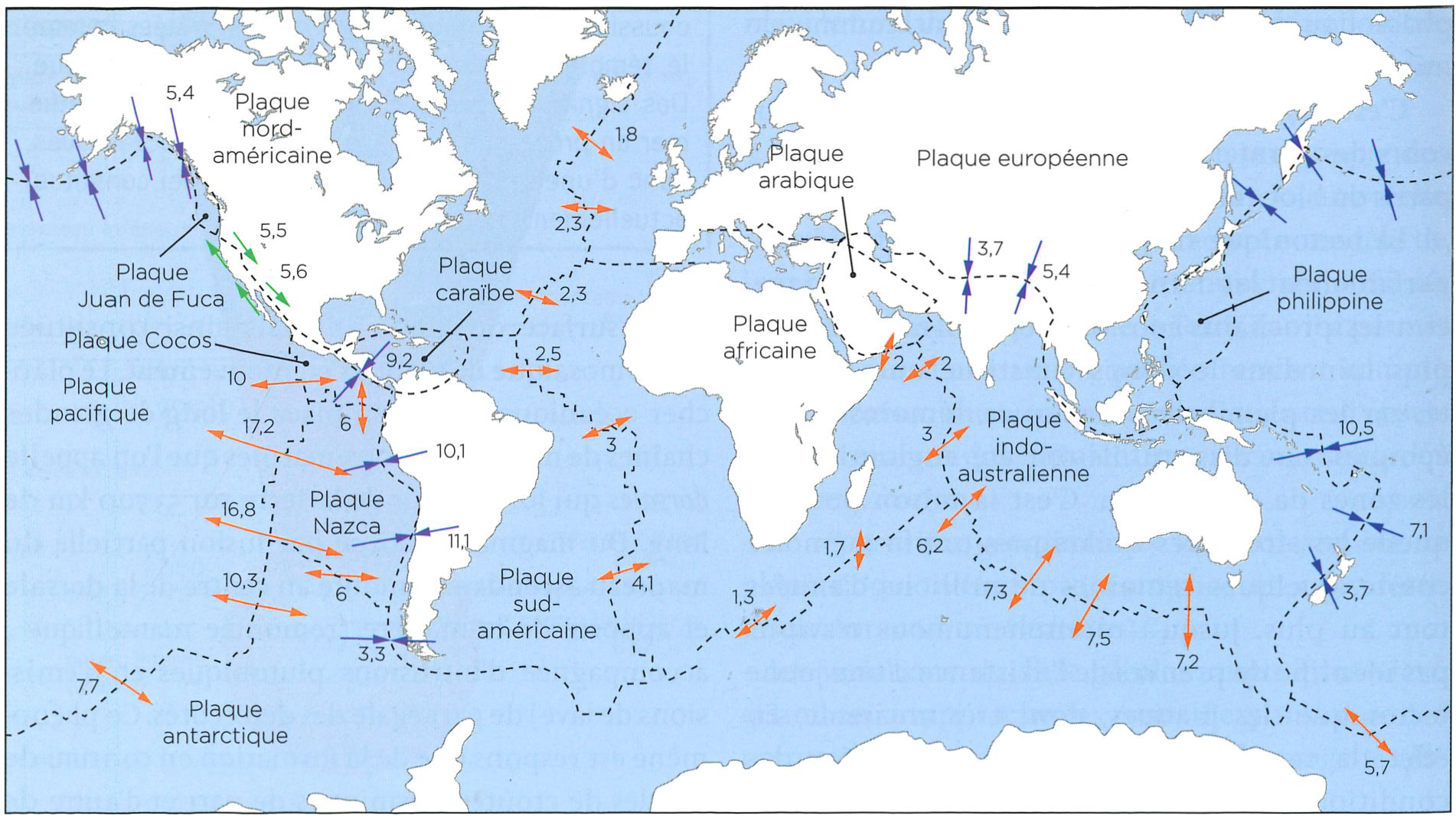
Divergent, convergent and transform plate boundaries
Age of the oceanic crust
Driving forces
Driving forces:
- Ridge push
- Slab pull
Resisting forces:
- Trench friction
- Basal drag
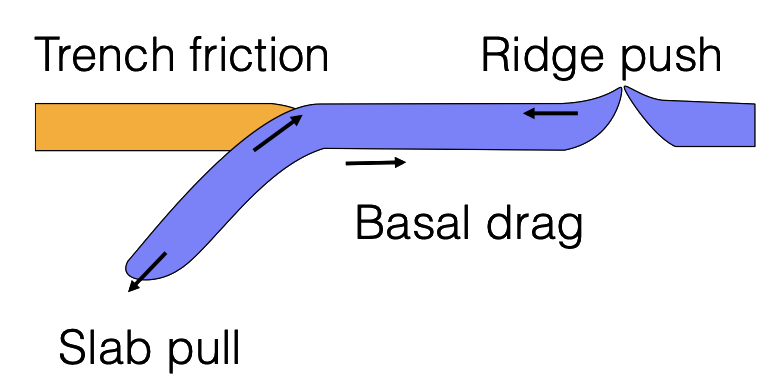
→ What force (ridge push/slab pull) dominantly drives plate motion?
Geodynamic contexts of volcanism
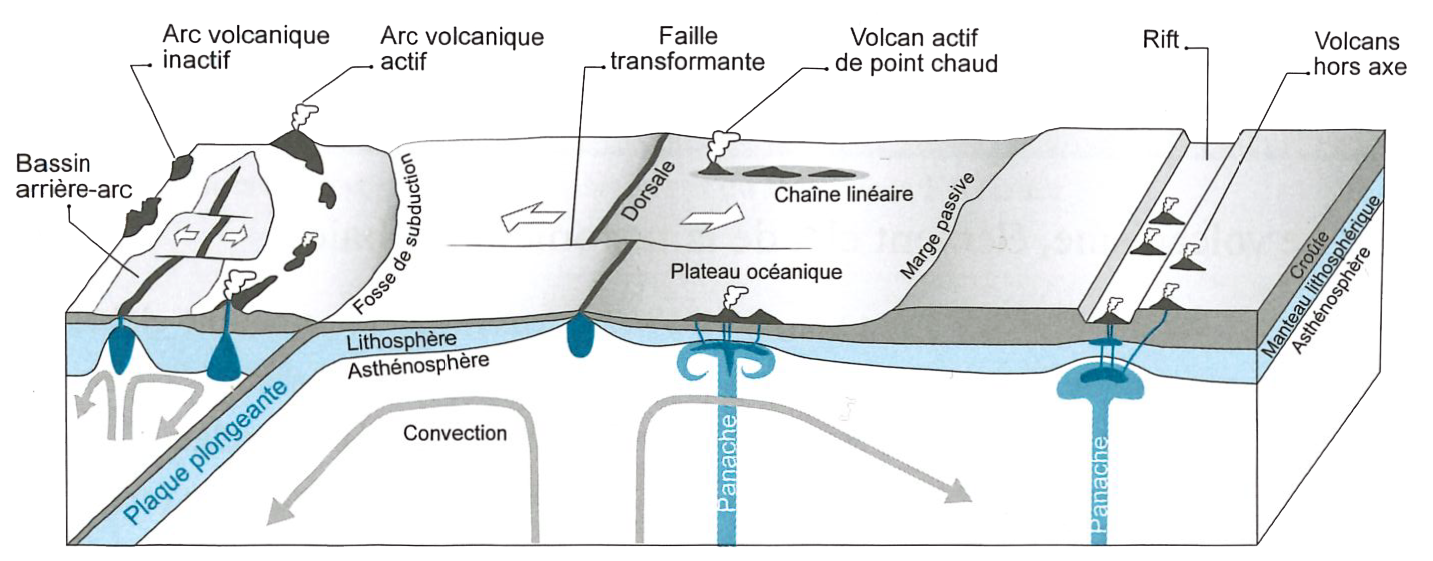
Divergence: Mid oceanic ridges
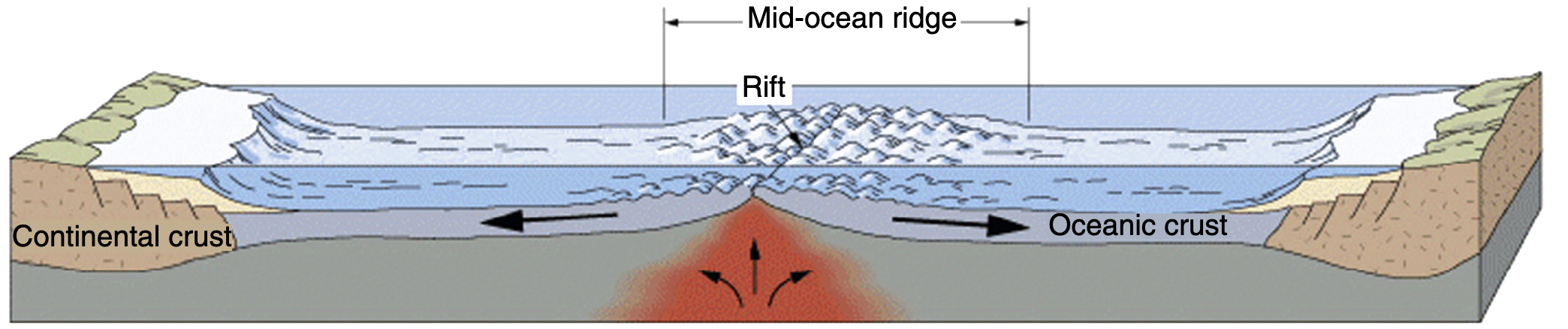
- Most active volcanic feature on Earth
- 65’000 km long
Divergence: Types of ridges
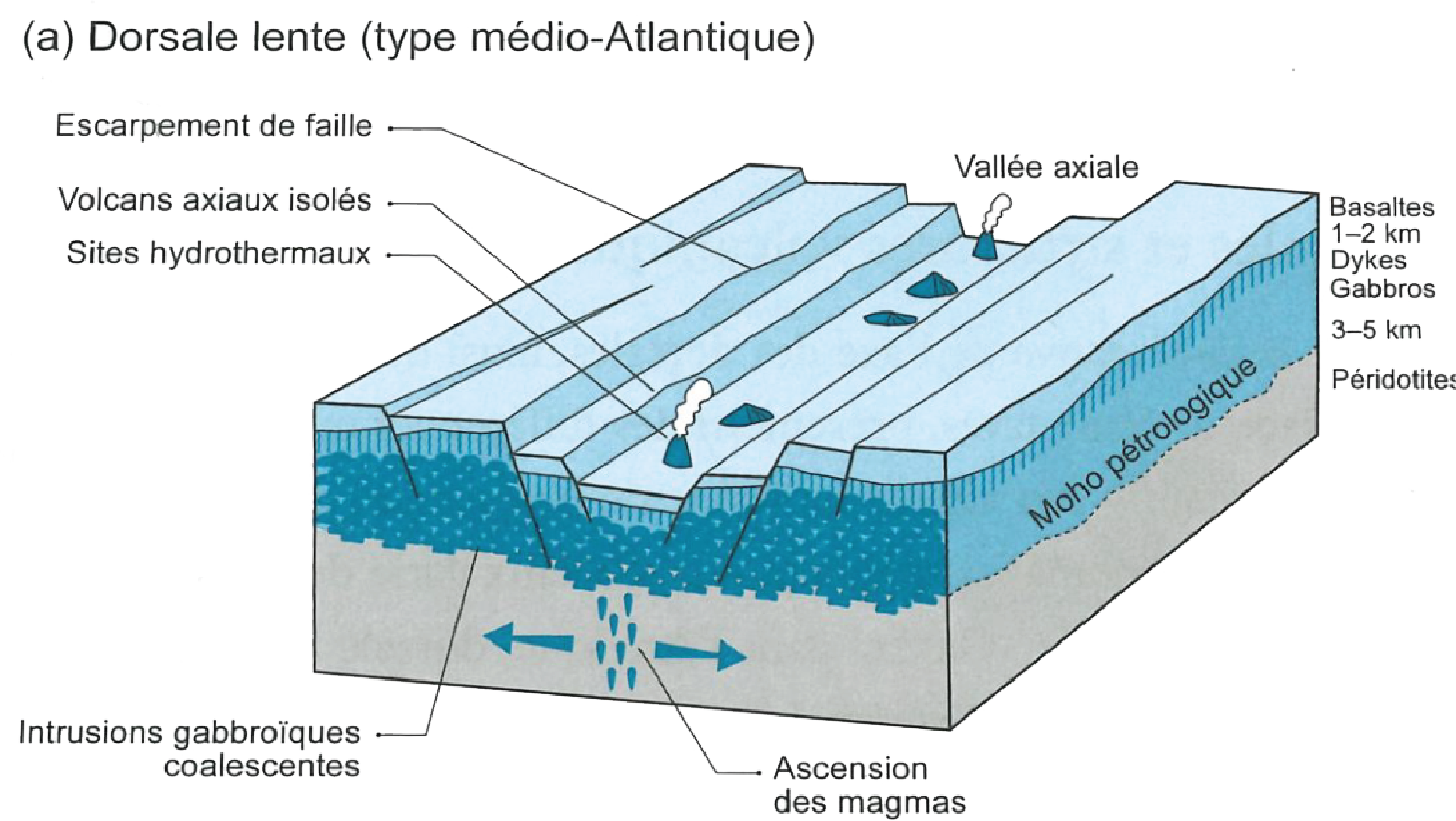
Slow
Intermediate / fast
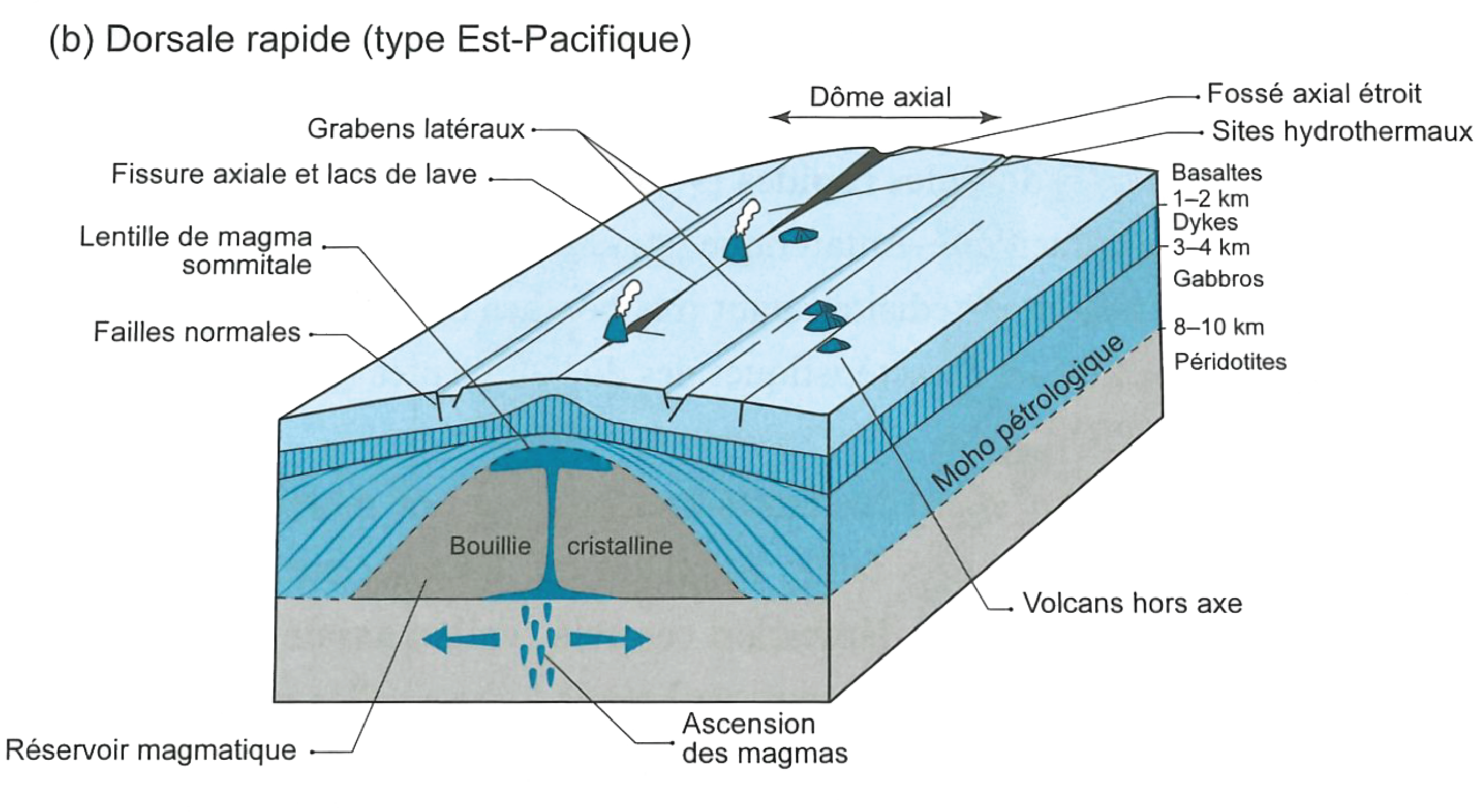
- 1-5 cm yr-1 (→ Mid-atlantic ridge)
- 10-20 km width, focus of volcanism within graben
- Normal faults → hydrothermal systems
- Limited magma production → discontinuous in time and space
- No magma reservoir → coalescence of small magma pockets
- Usually small edifices → destroyed by plate movements
- Intermediate: (→ Juan de Fuca) to fast: 9-18 5-9 yr-1 (→ Southeastern Indian ridge)
- Axial dome → central ridge <5 km width + no graben
- Off axis volcanoes up to tens of km from center
- Some ± mature magma reservoir
- Higher magma supply → diversity in emplacement processes
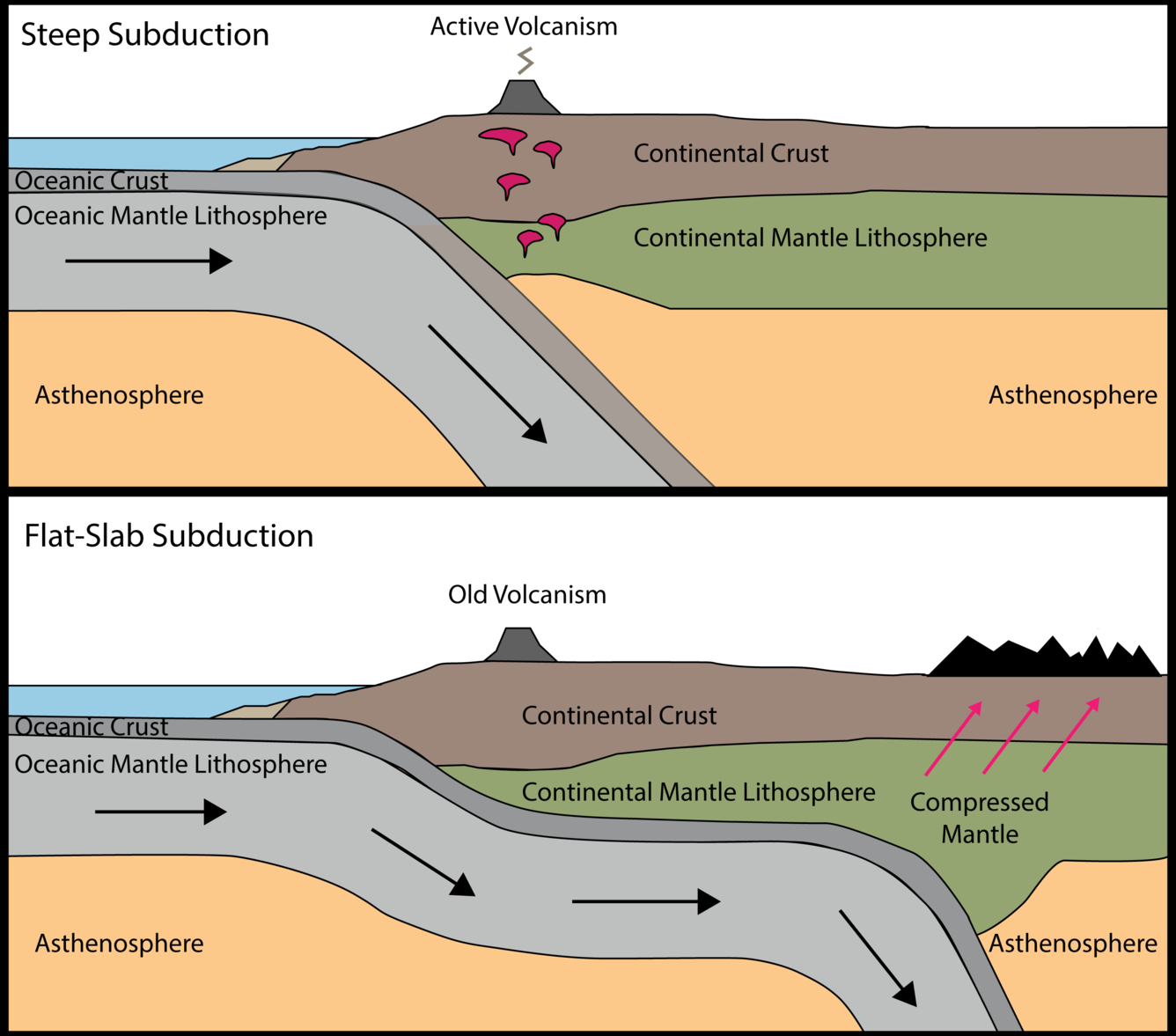
Convergence: Subduction
- 40’000 km
- Importance of age
- Young → thin → hot → flat (10-30°)
- Old → thick → cold → steep (up to 80°)
- Steep:
- Slab rollback + break-off
- Can reach lower mantle
Convergence: Types of arcs
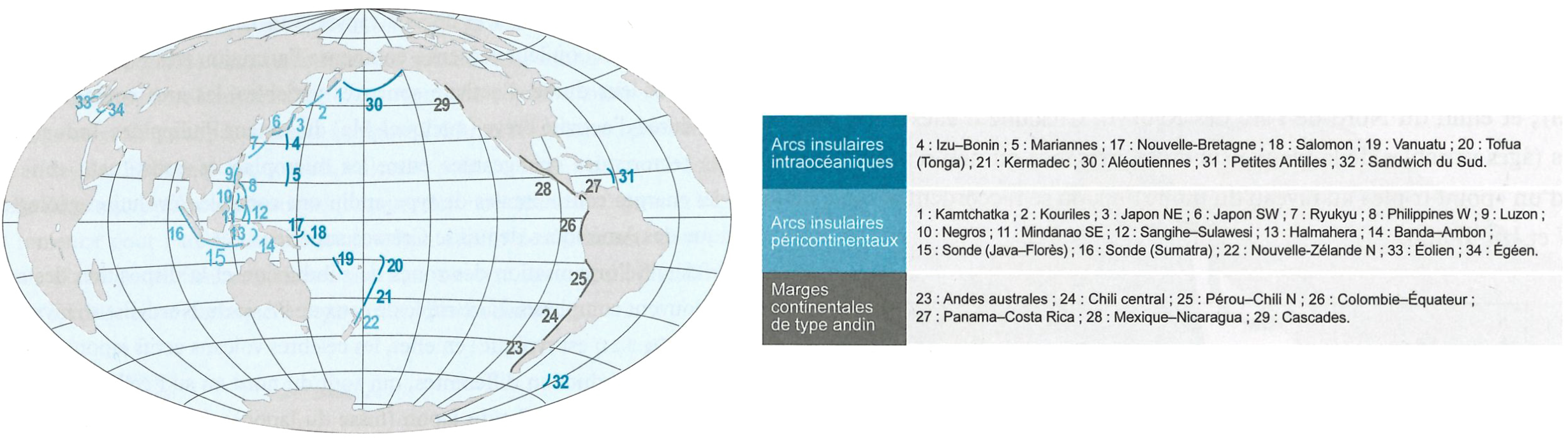
Classification based on geodynamic context + nature of the lithosphere
- Reflect accretion speeds
- Variable length + duration
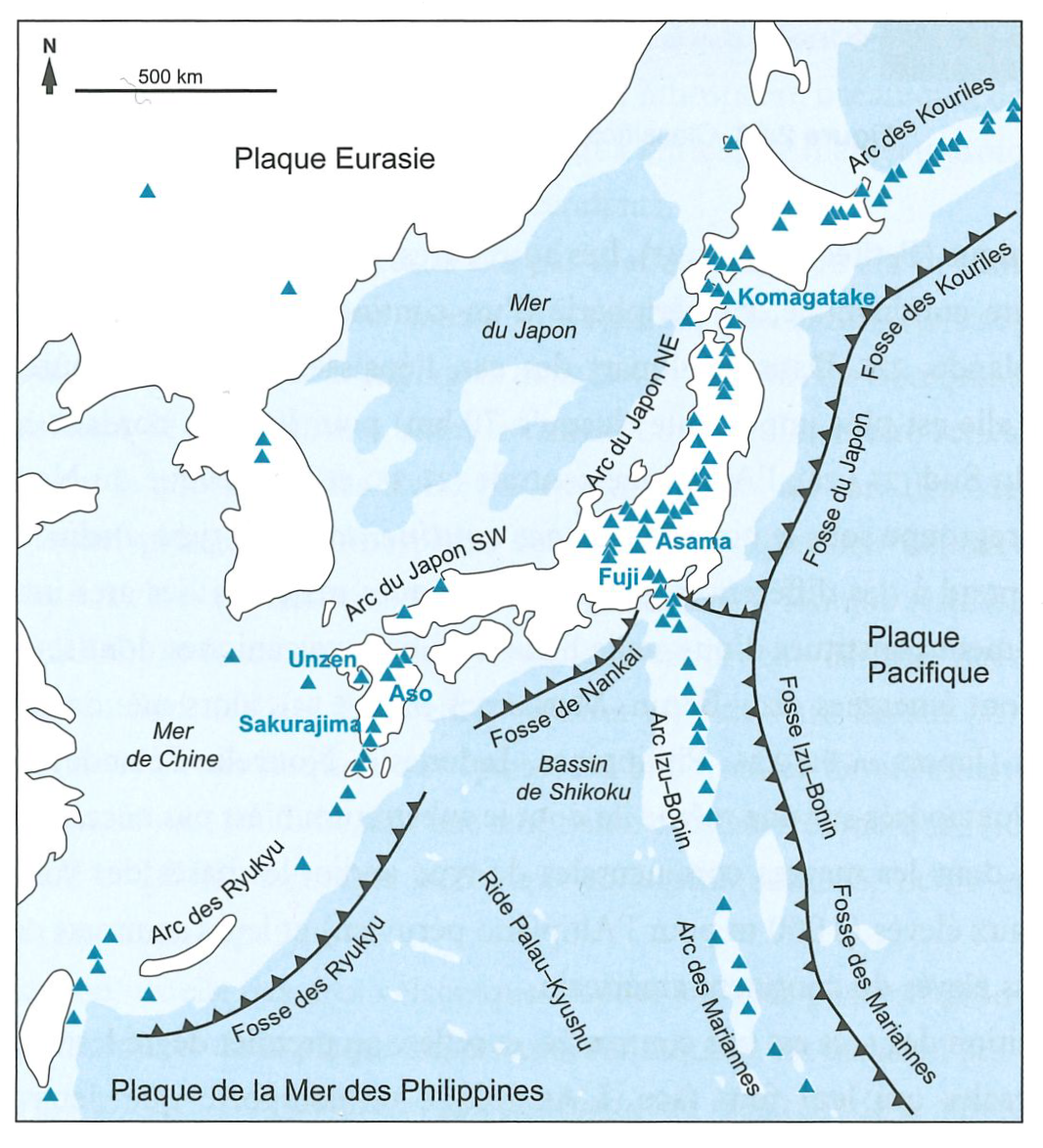
Convergence: Complexity
Japan
Aeolian islands
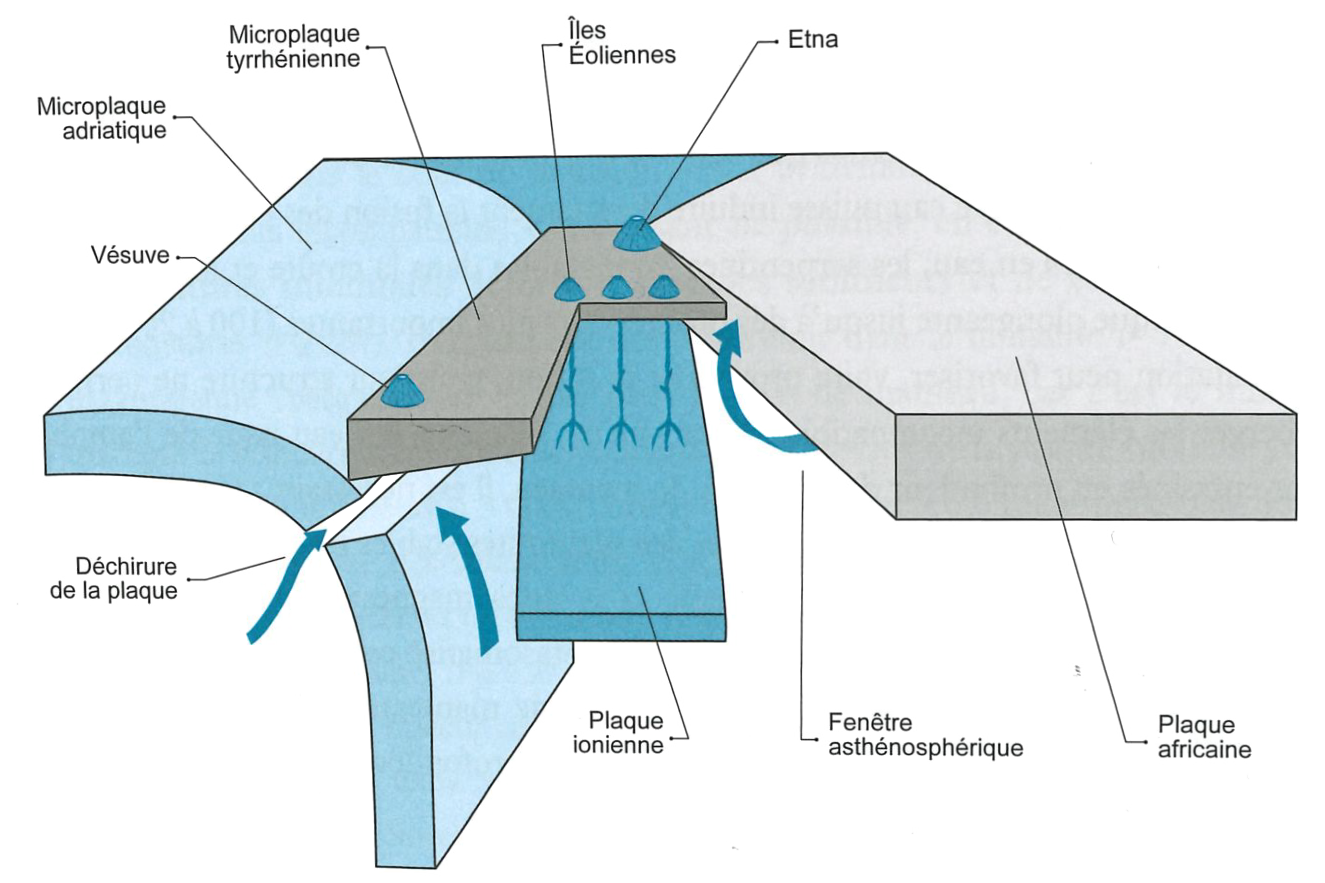
- 4 subduction zones
- Different ages
- 2 subduction zones
- 3 different plates
Intraplate
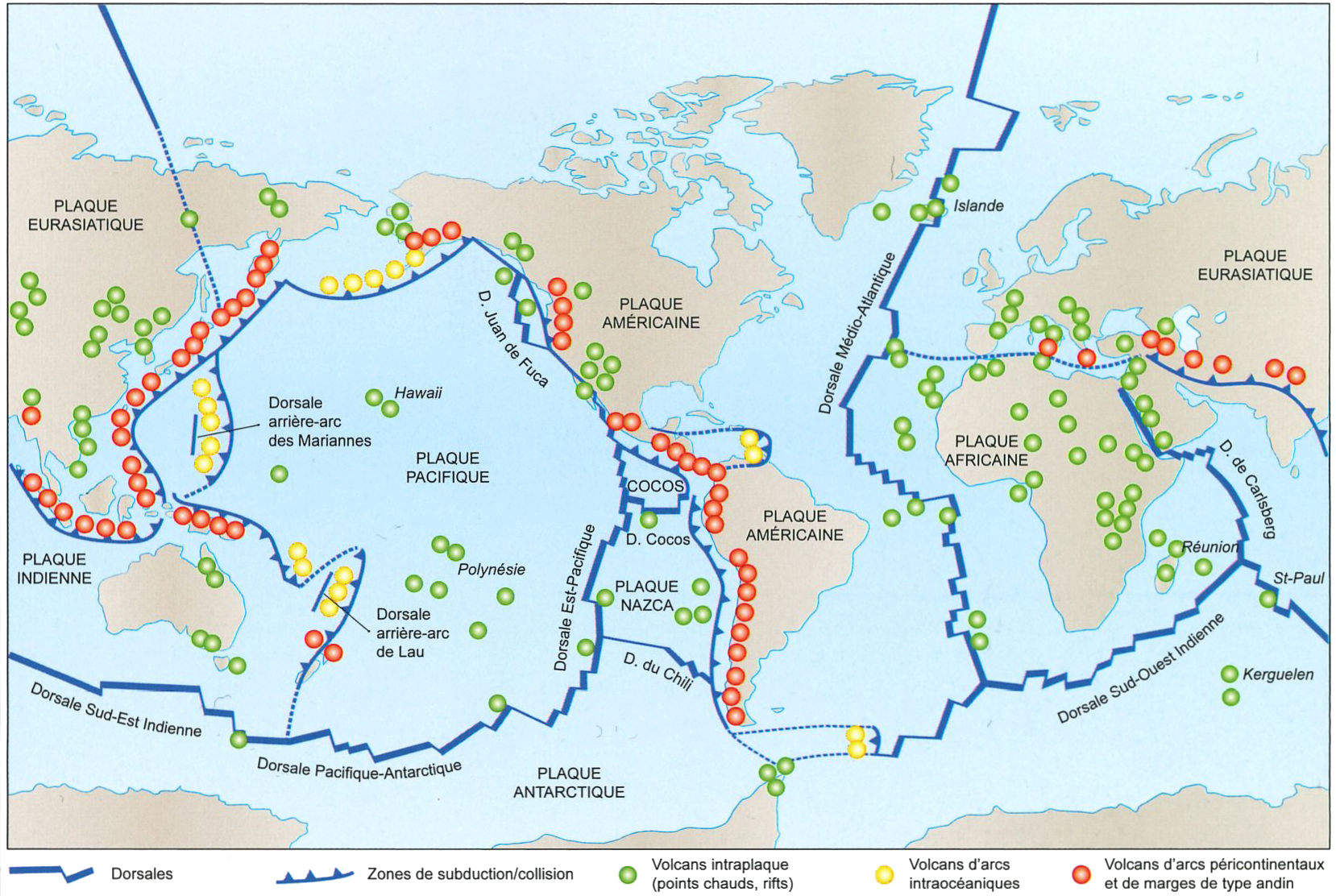
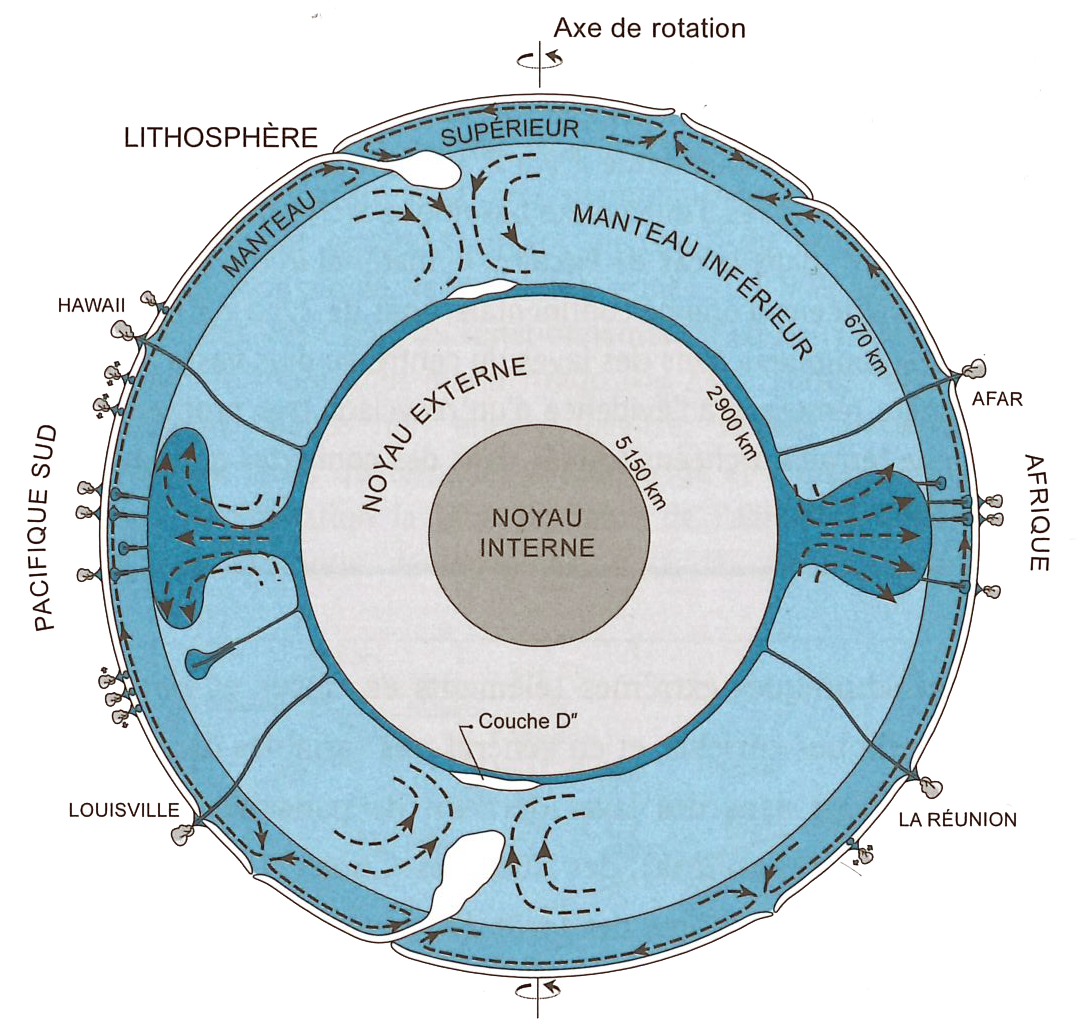
Intraplate: Plumes & hot spots
- Tomography → down to 400-500 km depth
- Long- vs short-lived → differences in magma production
- Very complex, still debated → several models
3 main types:
- Major → directly from D layer
- Secondary → lower mantle dome
- Shallow from astenosphere convection
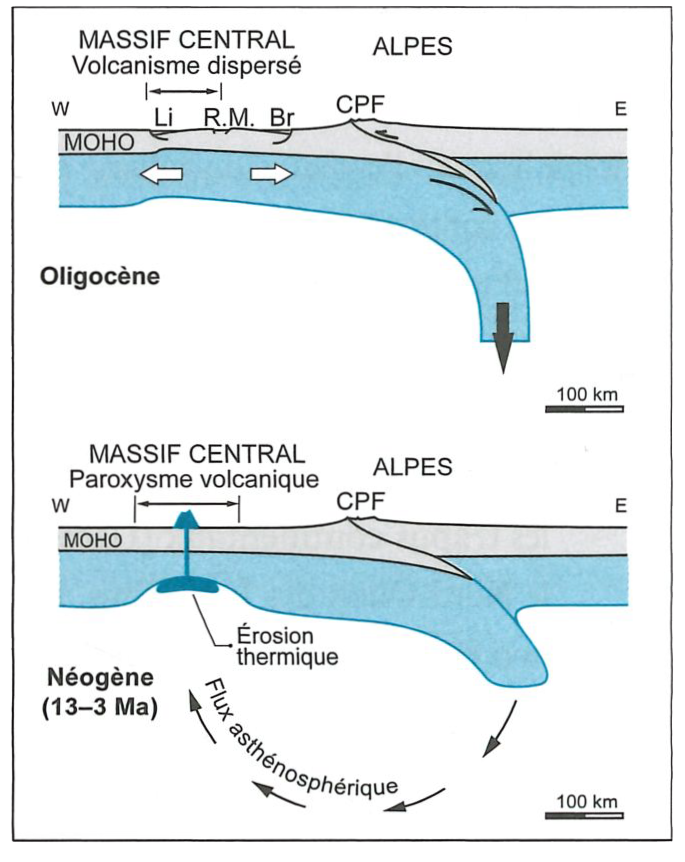
Intraplate: Continental
Mostly lithospheric material
Massif central:
- Thermal anomaly → lithosphere thinning
- Astenosphere flux → Alpes
- Thermal erosion
Other sources of astenosphere flux:
- Slab break-off → Etna
- MOR subduction
- Convection around cratons
- Hot spots → Canary islands
Intraplate: Large igneous provinces
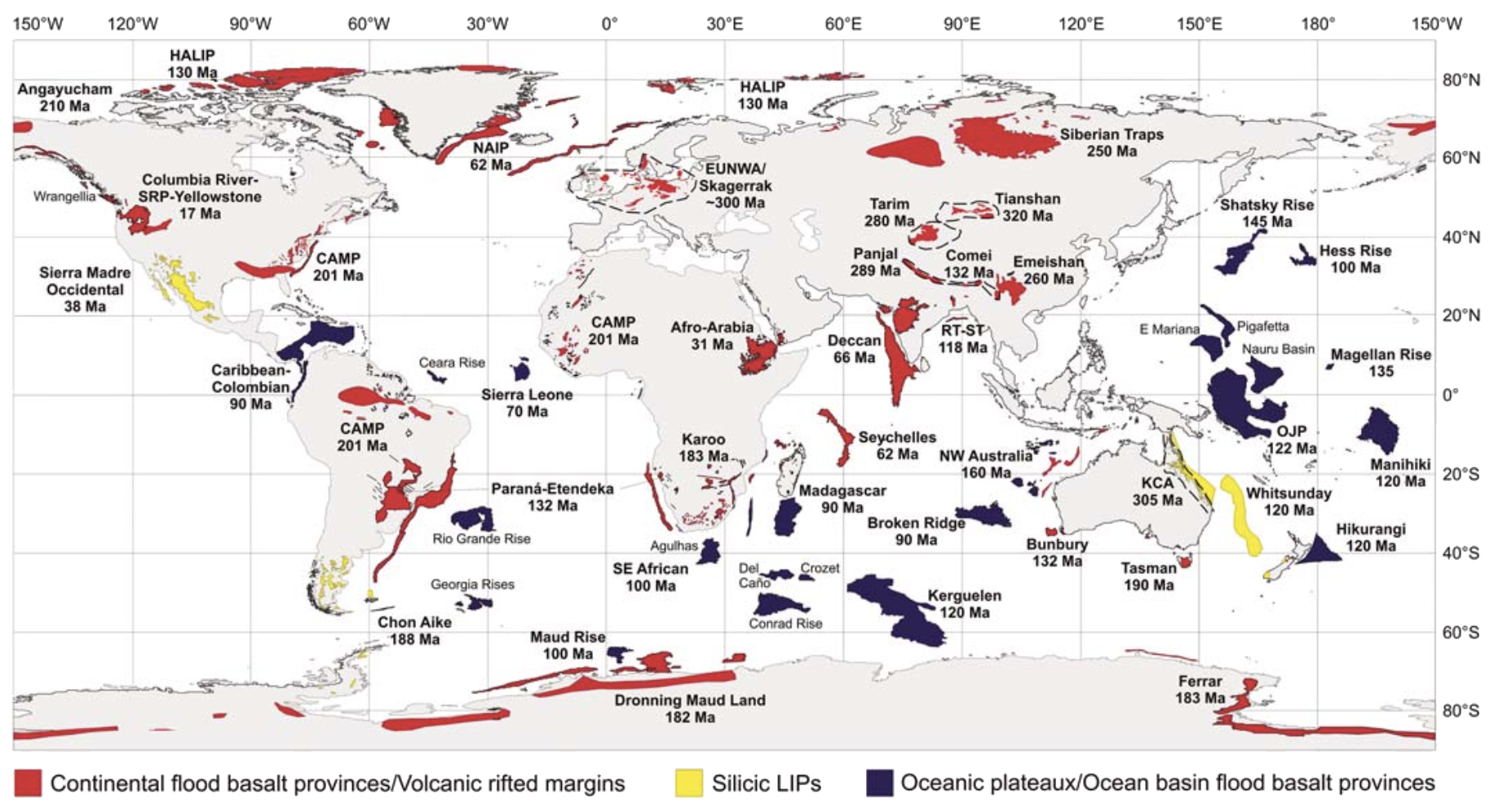
Intraplate LIPS: Traps and Oceanic plateaux
- Large volumes + short durations → Ma
- High (5-15%) fusion rates from plume head
- Diameter → 500’s km
- Importance for strategic minerals
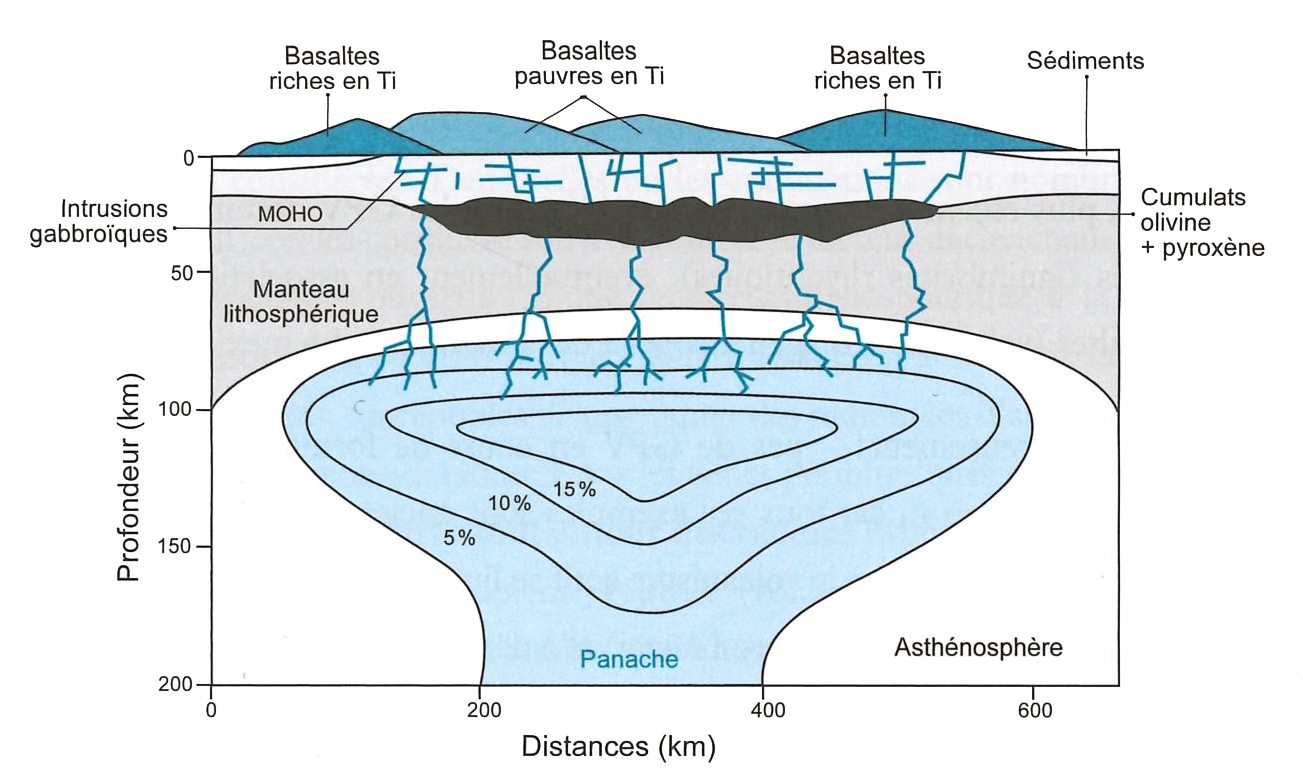
Intraplate LIPS: Colombia River Flood
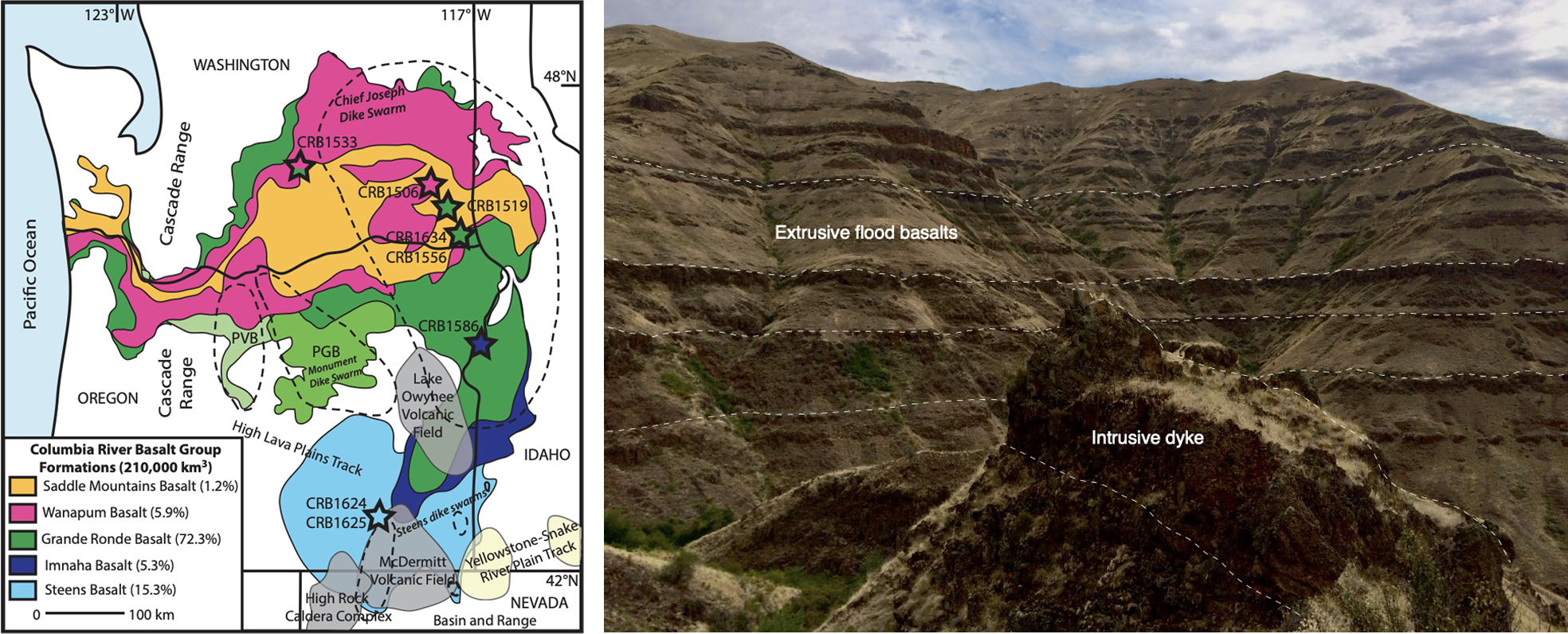


- Miocene → 17-15.5 Ma
- 175’000 km3 in 1.5 Ma, maximum thickness of 3’500 m
- 300 individual flows of mean volume = 580 km3
- Maximum flow length = 600 km without changes in composition
Intraplate LIPS: Rifts
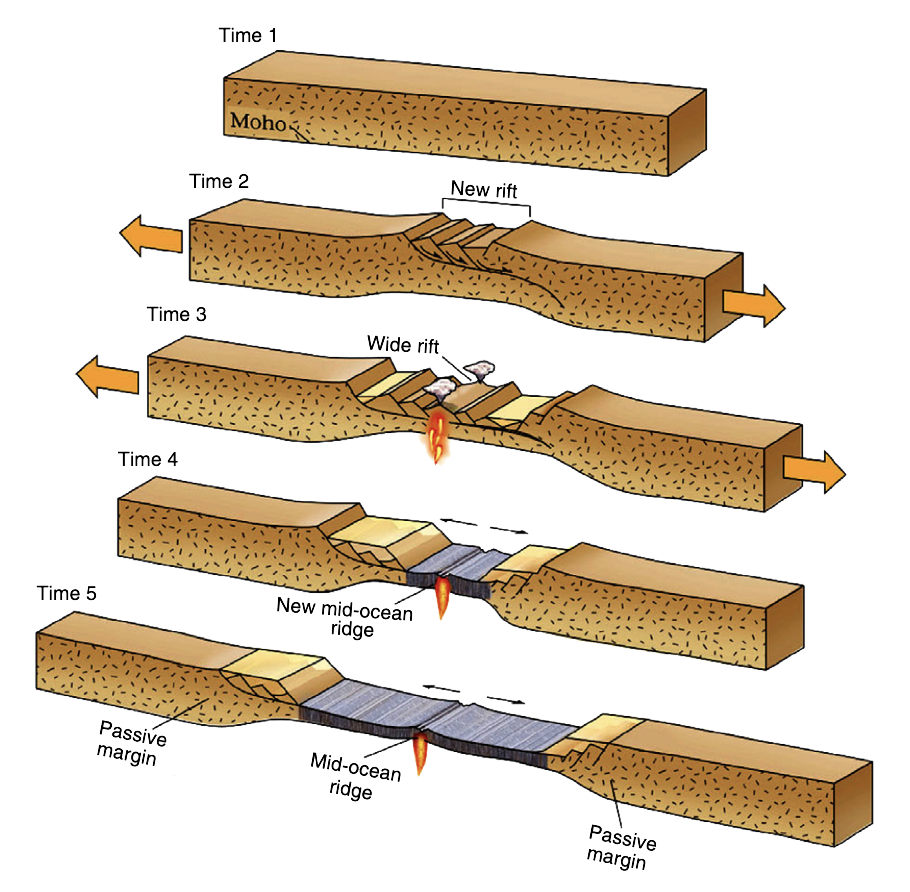
Passive rifting
Driven by far-field plate extension
Active rifting
Driven by mantle plume
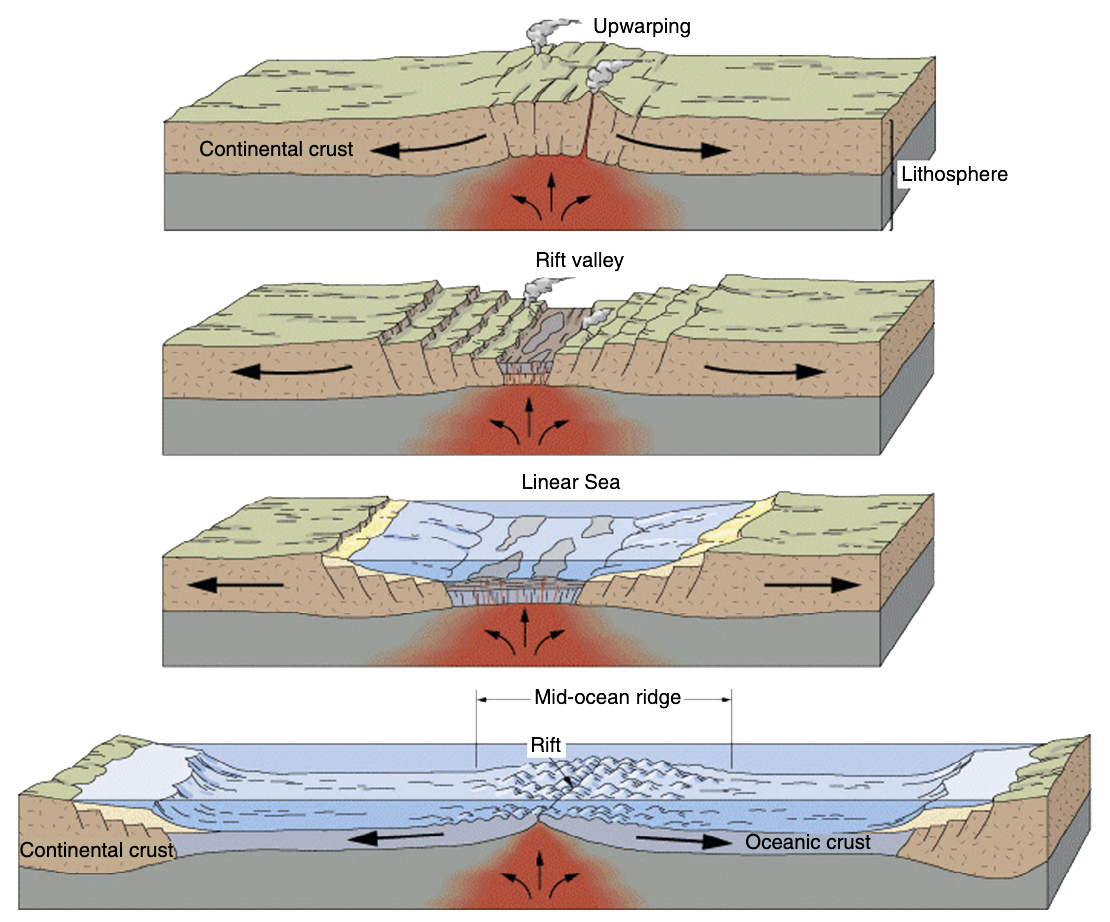
→ Ratio of tectonic vs volcanic drivers in accomodating extension
Intraplate LIPS: Active rift
Ethiopian rift
- Large mantle plume
- Mainly astenosphere → storage close to Moho
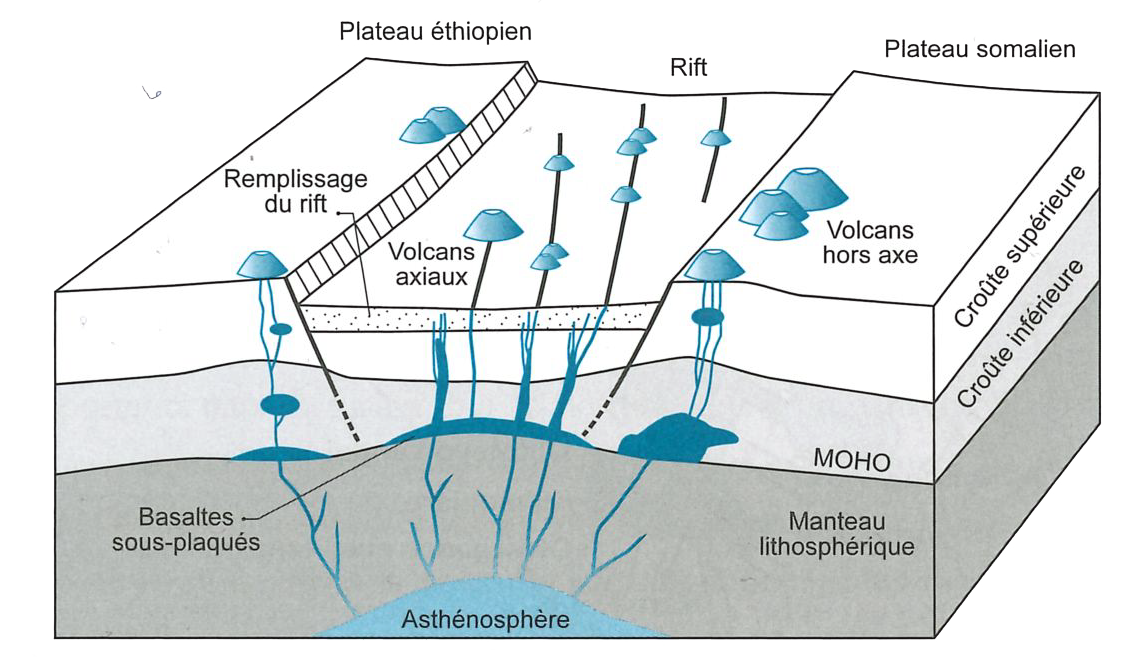
- Axial volcanoes → Erta Ale, Oldoino Lengay
- Composition: plumes
- Marginal volcanoes → Kilimandjaro
- Composition: lithospheric component → 40 km-thick crust
- Convection around Tanzanian craton
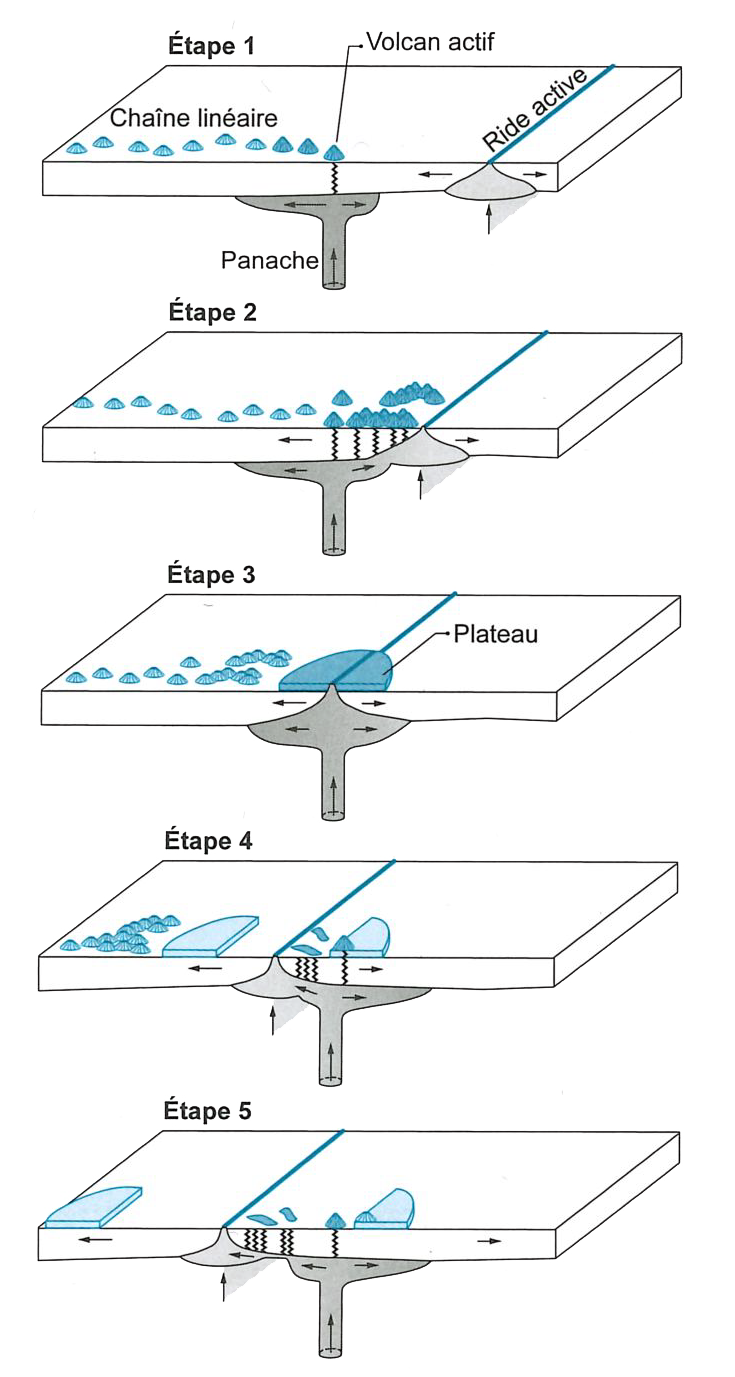
Interacting contexts: MOR-Plume
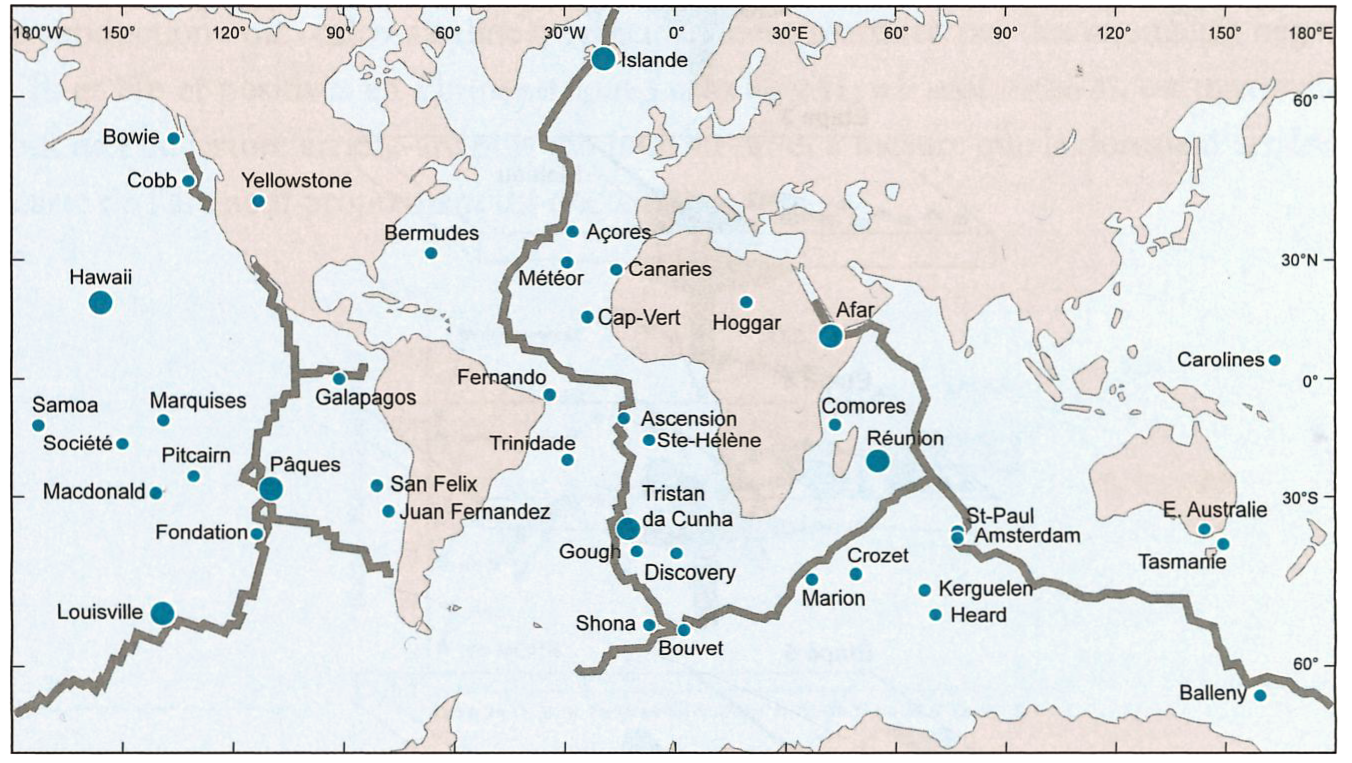
- Independent, plume gets nearer
- Onset of interaction→ geochemical indication of mixing
- Overlap → increase in magma supply → oceanic plateau / island (Iceland)
- Some overlap, decrease in magma supply (Galápagos, Açores)
- Independent systems, no indication of mixing
Interacting contexts: Back-arc bassin
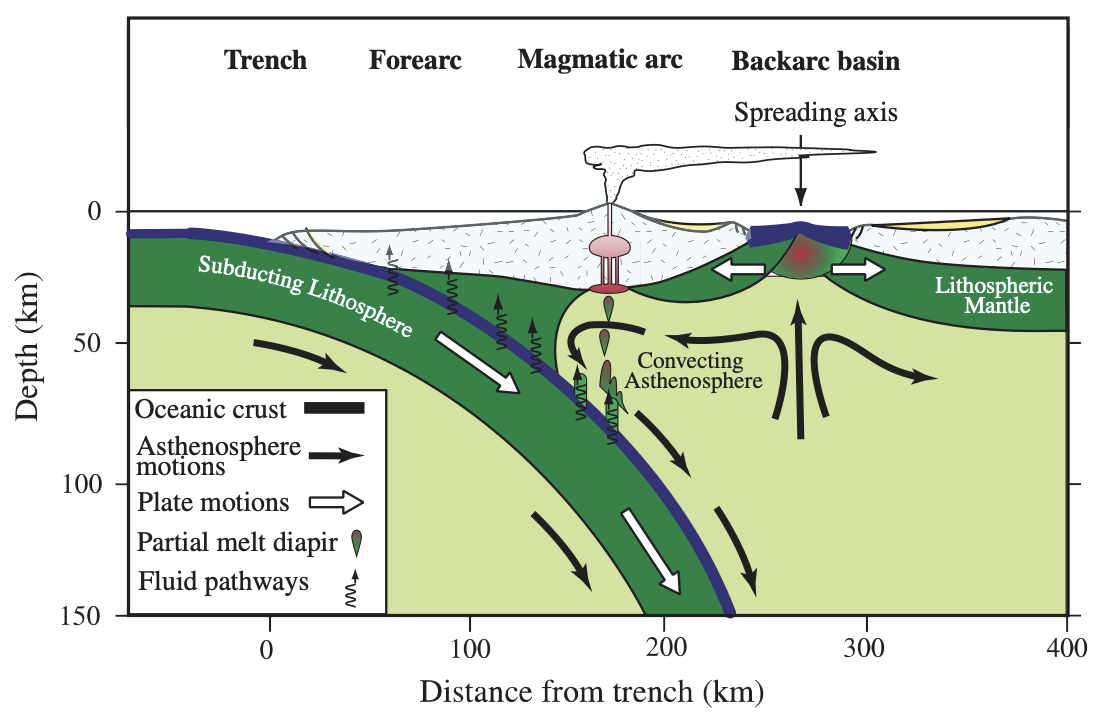
- Transition from convergence → divergence
- Often associated with slab rollback, retreat or break-off
Outline
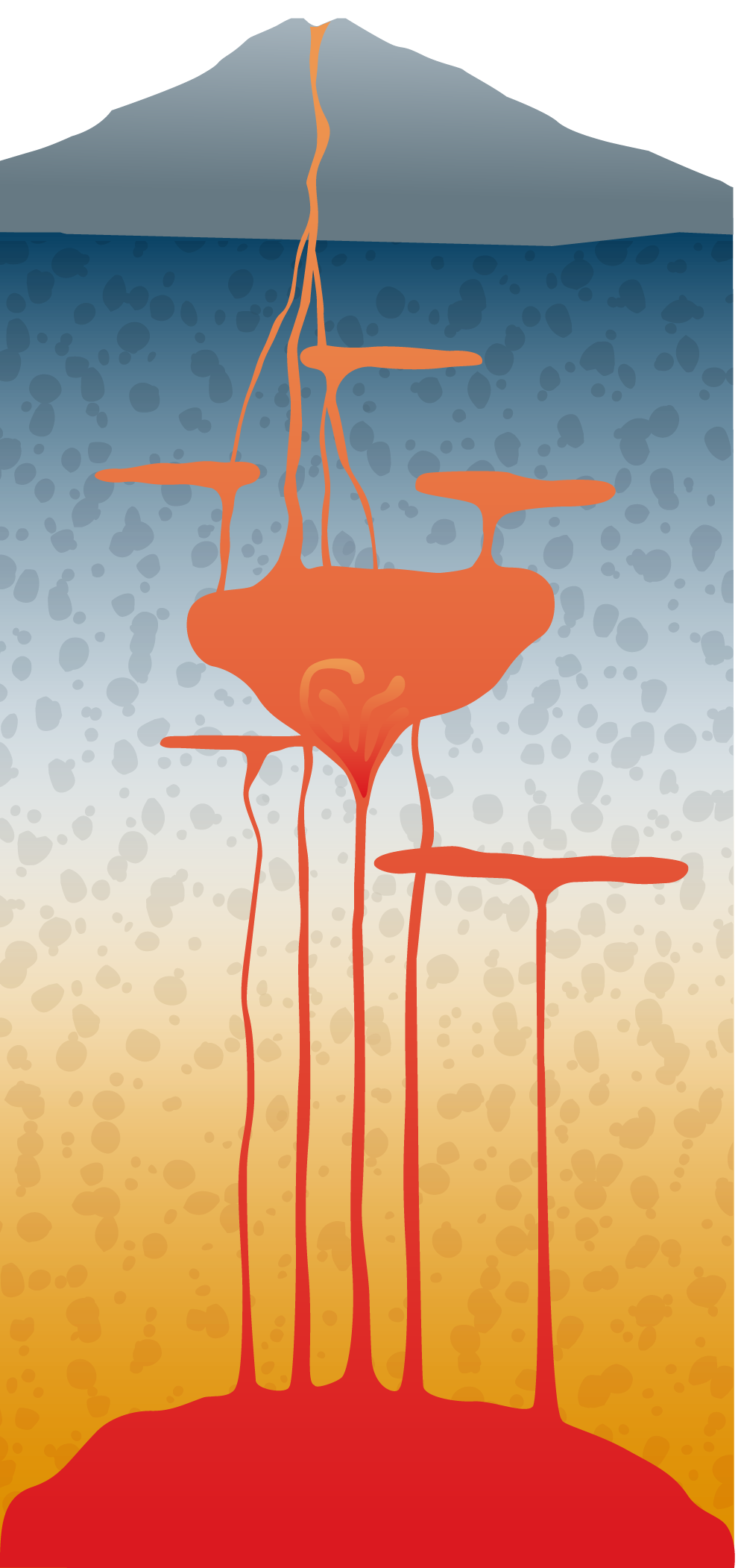
- Some partial melting has created a batch of magma at depth
Aim:
- Identify processes/properties that drive/resist the magma to rise to the surface
- Intrinsic → magma-related
- Extrinsic → host rock-related
Intrinsic parameters
- Magma = melt + crystals + volatiles
- At depth:
- Volatiles = dissolved
- Crystals = absent/small
- How will these phase change with:
- Time?
- Depth?
- Temperature?
- What properties do these phases control?
Extrinsic parameters
- Thermal gradient
- Pressure gradient
- Behaviour → ductile vs brittle
- Heterogeneities
- Composition
- Density
- …
- Stresses → geodynamics
- Mature/immature systems
Questions
- What allows melt to escape the deep reservoir?
- What controls alert melt ascent?
- What controls whether melt will rise, stop, create a new reservoir?
- What controls melt evolution in shallow storage?
- What causes magma to reach the surface?
- What controls explosive vs effusive eruptions?